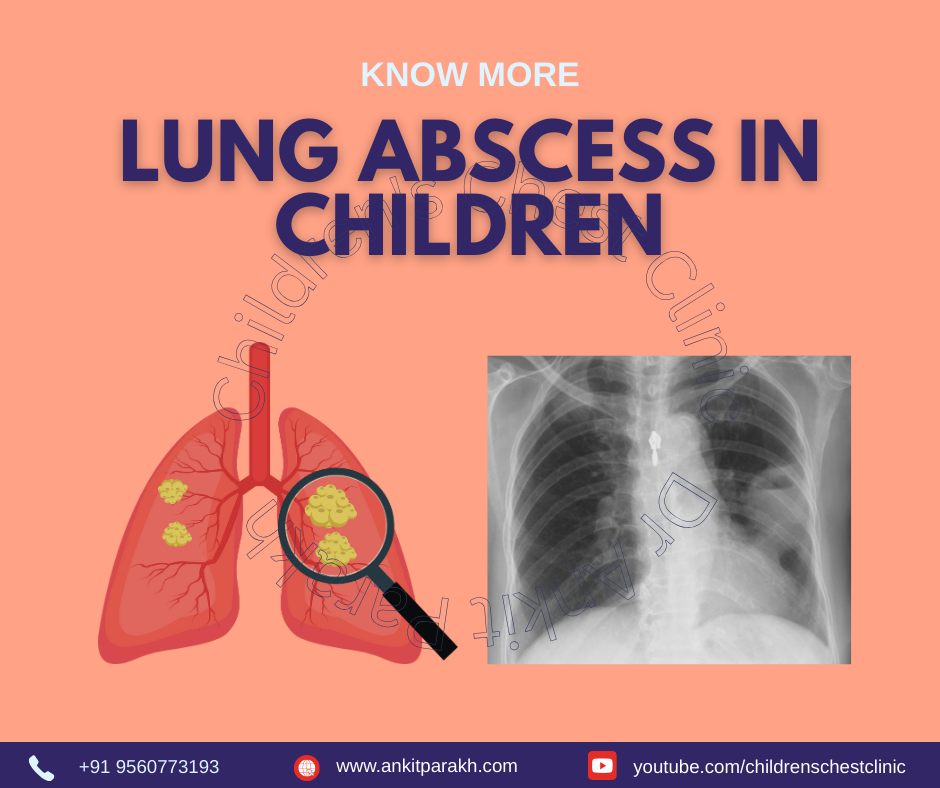
Lung Abscess in Children
Lung Abscess in children is a serious but uncommon condition where a localized area of the lung becomes filled with pus due to severe infection and tissue destruction. It often develops as a complication of Pneumonia. Early identification and appropriate treatment are essential to prevent long-term lung damage and complications.
Aetiology & Underlying Causes
A Lung Abscess usually occurs due to infection by bacteria that cause lung tissue destruction and necrosis. The pus-filled cavity typically forms when the body attempts to wall off the infection.
Common Causative Organisms
- Staphylococcus aureus (including MRSA)
- Streptococcus pneumoniae
- Group A Streptococcus
- Anaerobic bacteria (common in aspiration)
- Klebsiella pneumoniae and other Gram-negative bacteria
- Less commonly: Mycobacterium tuberculosis and fungal infections in immunocompromised children
Risk Factors
- Complicated or untreated Pneumonia
- Aspiration due to neurological disorders, swallowing difficulty, reflux, or seizures
- Congenital lung malformations
- Immune deficiency disorders
- Severe viral infection predisposing to secondary bacterial infection
Clinical Presentation
Symptoms of Lung Abscess may resemble severe or non-resolving Pneumonia. Key clinical features include:
- Persistent fever lasting more than 7–10 days
- Cough (may be productive with foul-smelling sputum)
- Breathing difficulty or fast breathing
- Chest pain
- Poor appetite, weight loss and fatigue
- Failure to improve with routine antibiotic therapy
- In severe cases: sepsis, anemia or clubbing (late sign)
Investigations
Diagnostic Tests
- Chest X-ray – may show a cavity with air-fluid level
- Chest CT scan – confirms abscess location, size and complications
- Ultrasound chest – helpful when pleural involvement is suspected
- Blood tests – CBC, CRP, ESR, blood culture
- Sputum culture or bronchoalveolar lavage to identify pathogens
- Immunological workup if recurrent or non-resolving
Treatment & Management
1. Antibiotic Therapy
- Prolonged intravenous antibiotics targeted against common organisms
- Switch to oral antibiotics after clinical improvement
- Duration typically 4–6 weeks
- Covers anti-staphylococcal agents and anaerobic organisms
2. Supportive Care
- Adequate hydration & nutrition
- Oxygen support if required
- Chest physiotherapy for airway clearance
3. Drainage & Interventions
Most children respond to medical treatment. However, intervention may be needed if:
- No response to antibiotics
- Large abscess compressing the lung
- Rupture into pleural cavity
4. Follow-Up
- Repeat imaging to confirm healing
- Monitor lung function in prolonged cases
Complications
- Empyema
- Bronchopleural fistula
- Massive hemoptysis
Prevention
- Timely and appropriate treatment of Pneumonia
- Prevention of aspiration in high-risk children
- Vaccination including pneumococcal and influenza vaccines
Conclusion
Lung Abscess in children is a serious complication of Pneumonia requiring prompt diagnosis and prolonged antibiotic therapy. With early recognition and expert management by a Pediatric Pulmonologist, most children recover completely without long-term complications.
Frequently Asked Questions (FAQs)
Frequently Asked Questions
1. What causes Lung Abscess in children?
It is commonly caused by severe bacterial infections that destroy lung tissue, often following complicated or untreated Pneumonia.
2. What are the symptoms of a Lung Abscess?
Persistent fever, cough with foul sputum, chest pain, and poor response to routine antibiotics.
3. How is a Lung Abscess diagnosed?
Diagnosis is based on imaging such as chest X-ray and CT scan along with blood and culture tests.
4. How long does treatment take for Lung Abscess?
Antibiotics are typically required for 4–6 weeks, and some children may need drainage procedures.
5. Can Lung Abscess be prevented?
Proper treatment of Pneumonia, avoiding aspiration, and routine vaccination significantly reduce risk.
Related conditions & services
Medical Advice & Clinical Disclaimer
The educational medical guidance provided in this guide is for informational purposes only. It should not be used as a substitute for direct pediatric consultation, physical diagnosis, or clinical prescription. For individualized medical assessment of your child, schedule an appointment with Dr. Ankit Parakh.

Related articles
 Nov 12, 2025
Necrotizing Pneumonia in Children – Causes, Symptoms, Diagnosis & Treatment
Read article
Nov 12, 2025
Necrotizing Pneumonia in Children – Causes, Symptoms, Diagnosis & Treatment
Read article
 Jul 22, 2026
Viral Upper Respiratory Infections in Children: Symptoms, Treatment & When to Worry
Read article
Jul 22, 2026
Viral Upper Respiratory Infections in Children: Symptoms, Treatment & When to Worry
Read article
 May 5, 2026
Influenza or Flu Vaccines for Children: What Parents Need to Know
Read article
May 5, 2026
Influenza or Flu Vaccines for Children: What Parents Need to Know
Read article