Overview
Pleural Effusion in Children
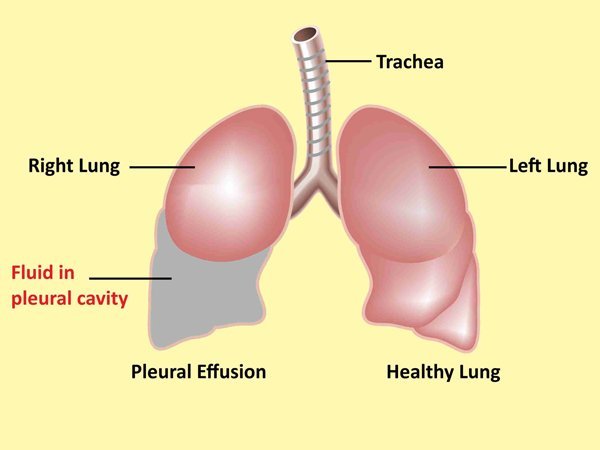
Pleural effusion, a condition characterized by an abnormal accumulation of fluid in the pleural space. This space, located between the lungs and the chest wall, is essential for normal respiratory function. In children, pleural effusion can lead to significant respiratory distress and warrants immediate medical attention. This section deals with pleural effusion in children with the focus on its causes, diagnosis and treatment.
What Causes Pleural Effusion in Children?Possible reasons and triggers
The causes of pleural effusion in children vary but commonly include:
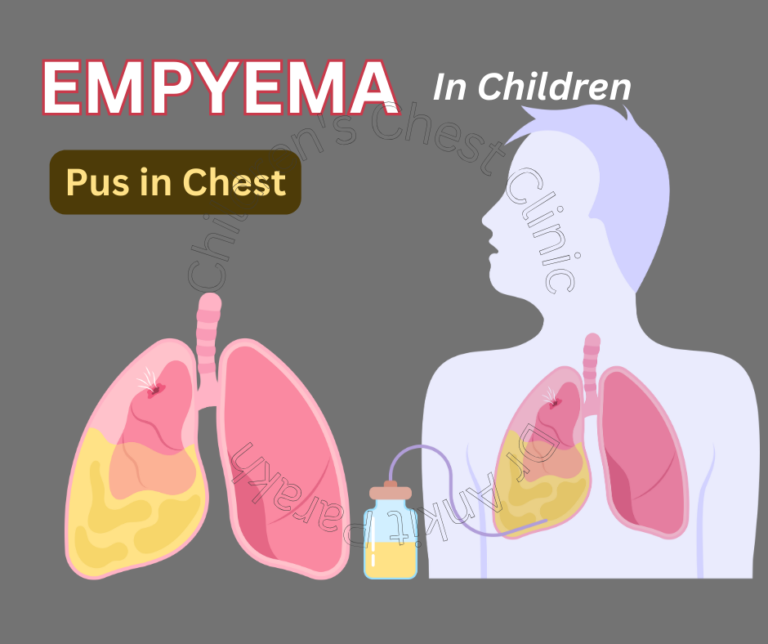
- InfectionsBacterial pneumonia is a leading cause, often resulting in parapneumonic effusion. Sometimes the effusion becomes converted into pus and called as a empyema.
- TuberculosisThe second common cause of pleural effusion in India is tuberculosis. Tuberculosis is still endemic in South Asian countries like India.
- Congenital Heart DiseaseConditions that lead to heart failure may cause pleural effusion.
- Nephrotic SyndromeThis kidney condition can result in fluid accumulation in the pleural space.
- Trauma or SurgeryChest injuries or post-surgical complications may cause pleural effusion.
- TumoursRarely tumours of the chest wall, such as Ewing’s sarcoma, Lymphoma and pleuro-pulmonary blastoma can lead to pleural effusions.
Symptoms to Watch ForCommon signs to look for
Symptoms in children include:
- Difficulty breathing
- Chest pain
- Persistent cough
- Fever, in cases of infectious causes
- Decreased appetite or fatigue
Diagnosis of Pleural EffusionTests and evaluation methods
When pleural effusion is suspected, a thorough medical evaluation is essential:
- Clinical ExaminationA doctor may notice diminished breath sounds or dullness on percussion.
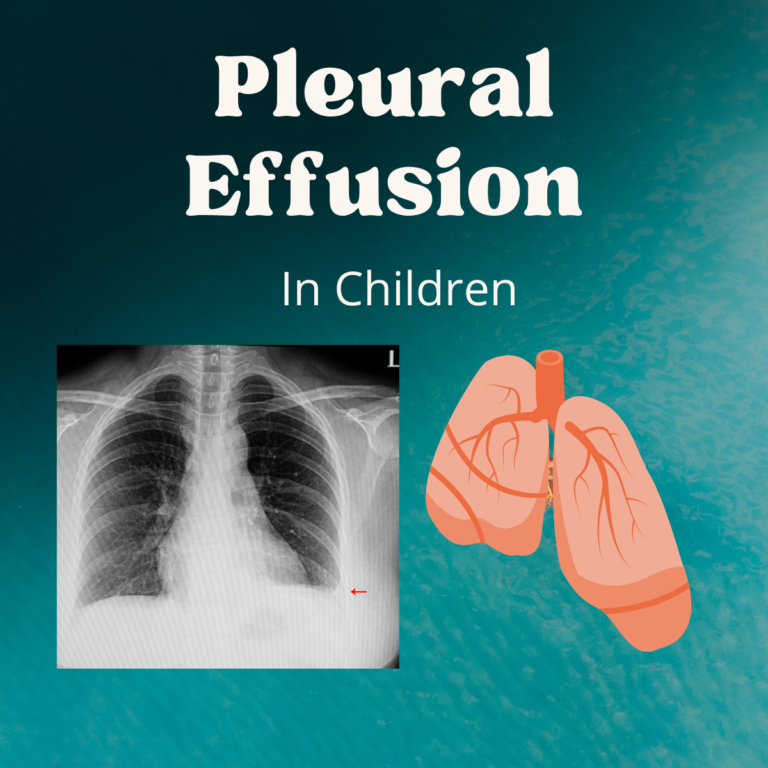
- Chest X-rayThis imaging is often the first diagnostic step.
- Ultrasound or CT ScanThese provide detailed visualization of the pleural space.
- ThoracentesisIf the presence of pleural fluid is confirmed a sample of the pleural fluid for detailed analysis is needed. In this procedure called thoracocentesis, a small needle and injection is used under local anesthesia to obtained 5-10 ml pleural fluid. The pleural fluid obtained is sent for detailed analysis to the laboratory for presence of cells, micro-organism (bacteria, tuberculosis, etc), proteins and sugar.
Treatment OptionsMedications and therapies
Treatment for pleural effusion in children depends on the underlying cause:
- InfectionsAntibiotics are used, and in cases of empyema, chest tube drainage may be necessary.
- TuberculosisAnti-TB therapy is the cornerstone of management.
- Heart or Kidney IssuesAddressing the primary condition, along with diuretics, can relieve effusion.
- Surgical InterventionRarely, surgery like decortication may be required.
Pleural effusion in children is a manageable condition with timely diagnosis and treatment. Parents should seek immediate medical attention if symptoms arise, ensuring the best outcomes for their child’s health.
Foreign body aspiration is a serious concern for young children, but with prompt recognition and treatment, it can be managed effectively. If you suspect that your child may have aspirated a foreign object, seek immediate medical attention. With the use of bronchoscopy, many children can recover quickly and avoid long-term complications.
Conclusion
1. What are the warning signs of pleural effusion in children?Common signs to look for
Persistent cough, difficulty breathing, chest pain, and fever are common warning signs.
2. Can pleural effusion in children be life-threatening?
Yes, if left untreated, pleural effusion can lead to severe respiratory distress and complications.
3. How is pleural effusion diagnosed in children?Tests and evaluation methods
Diagnosis involves clinical examination, imaging studies like X-rays or ultrasounds, and thoracentesis for fluid analysis.
4. Can tuberculosis cause pleural effusion in children?Possible reasons and triggers
Pleural effusion is commonly due to tuberculosis in children, as tuberculosis is endemic in India.
5. What are the treatment options for pleural effusions due to bacterial infections?Medications and therapies
Plural effusion due to bacterial infections are treated with a course of antibiotics lasting for approximately a period of 10 to 14 days. In situations when the plural cavity contains thick fluid or pus chest tube drainage is required. Additional medicines in the plural cavity might be needed to liquify the thick fluid or bus known as anti-fibrinolytic therapy. In rare cases, surgery might be required to drain the pus.