Overview
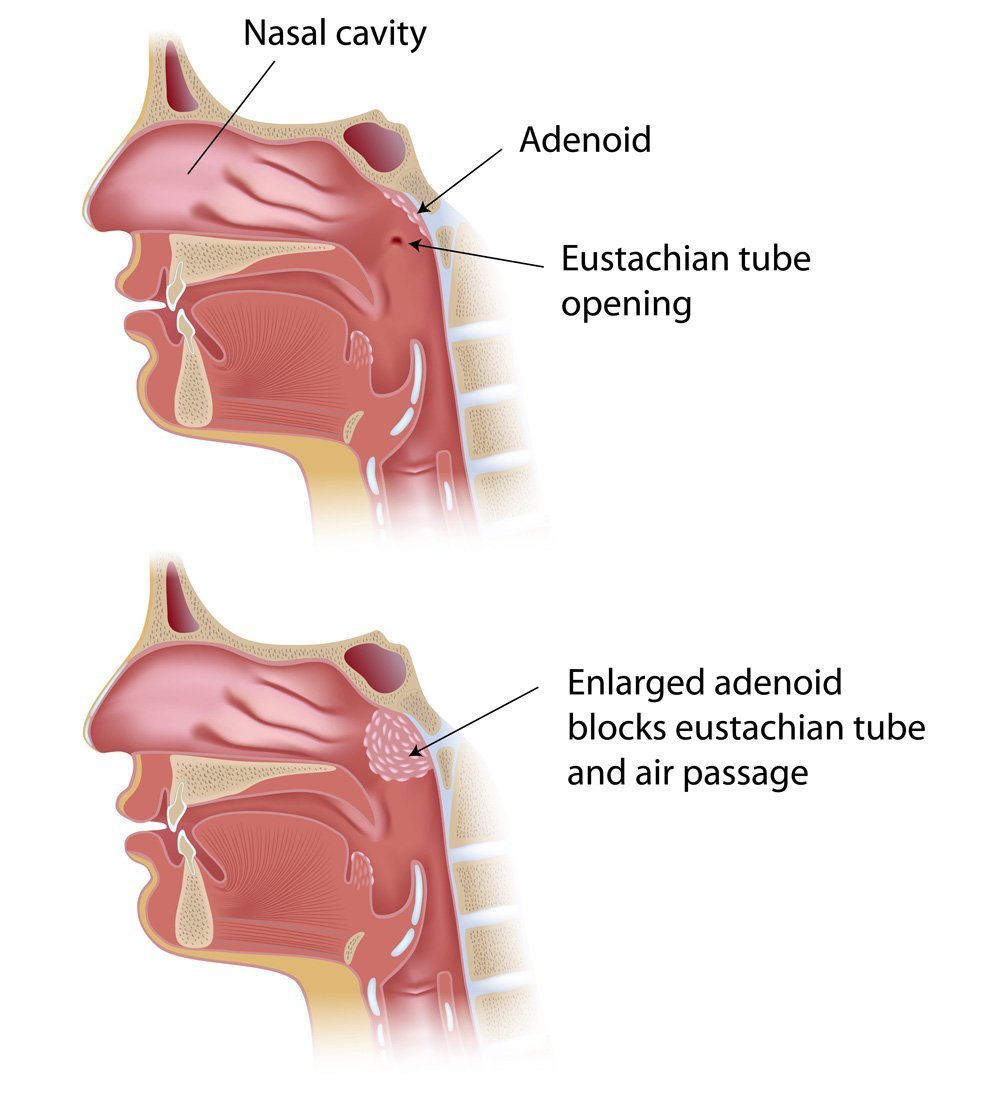
Adenoid Hypertrophy in Children: Understanding the Impact on Sleep and Health
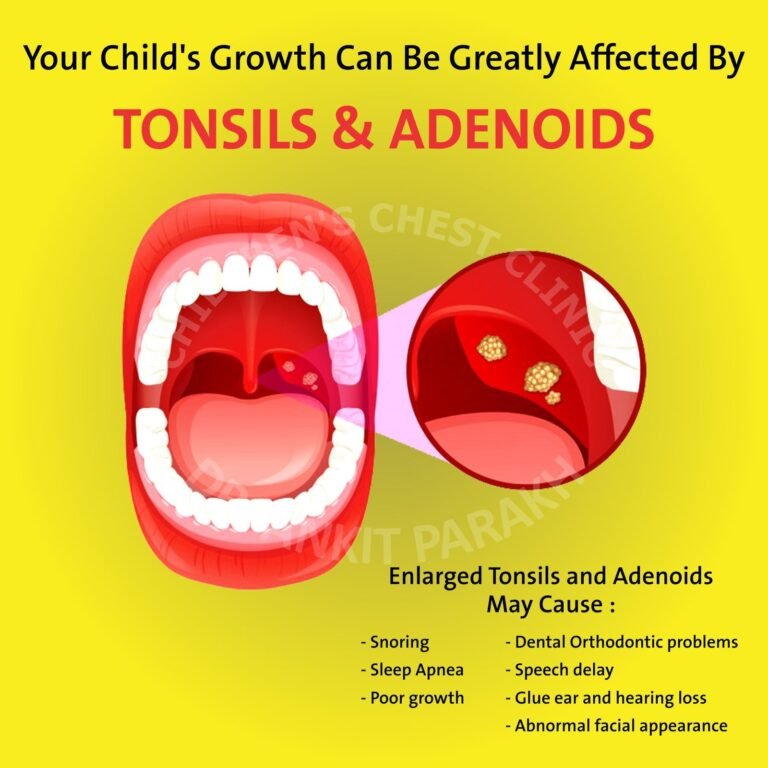
Adenoid hypertrophy is a common condition in children that can significantly affect their health and wellbeing. Adenoid hypertrophy can lead to snoring and sleep problems such as obstructive sleep apnea, hearing problems due to Otitis Media with effusion, and facial changes. This section deals with what adenoid hypertrophy is, its impact on sleep (including sleep apnea), and how it can be managed effectively.
What are Adenoids?
Adenoids are similar to lymph nodes found in the other part of the body. Adenoids are located at the back of the throat high up and cannot be seen through the nose or the mouth. They play a vital role in a child’s immune system by trapping harmful bacteria and viruses. Normally the adenoids are small in size but sometimes they can be enlarged leading to a condition known as adenoid hypertrophy.
Symptoms of Adenoid HypertrophyCommon signs to look for
Children with enlarged adenoids may experience:
- Nasal congestionPersistent blocked nose
- Mouth breathingDifficulty breathing through the nose.
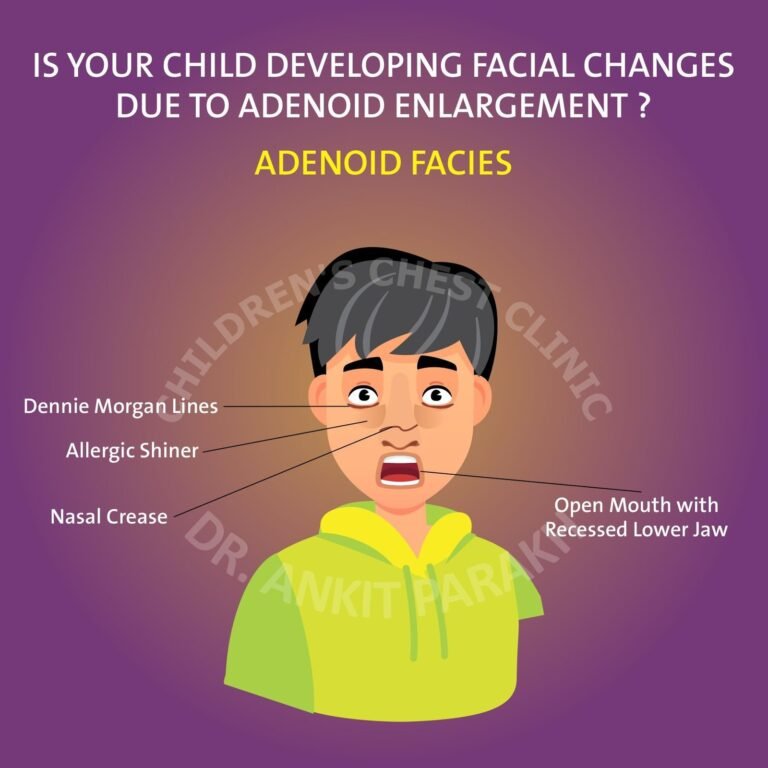
- Adenoid Faciespersistent mouth breathing leads to changes in the facial appearance. Children develop a openmouthed appearance associated with a narrow nose, shortened upper lip, narrow high palate and dental crowding.
- SnoringFrequent or loud snoring during sleep.
- Sleep apneaPauses in breathing during sleep, often linked to obstructive sleep apnea (OSA).
- Speech changesA nasal tone in their voice.
- Recurring infectionsRepeated sinus or ear infections.
Adenoids and Obstructive Sleep Apnea
One of the most concerning complications of adenoid hypertrophy is its connection to obstructive sleep apnea (OSA) in children. Enlarged adenoids remains the most common cause of sleep apnea in children. Sleep apnea leads to:
- Interrupted sleep cycles with poor quality of sleep
- Daytime fatigue and irritability
- Poor concentration and academic performance
- Behavioral issues, such as hyperactivity/attention deficit
Untreated sleep apnea can also lead to long-term health problems like high blood pressure, heart issues, and delayed growth in severe cases.
Diagnosing Adenoid HypertrophyTests and evaluation methods
Adenoid hypertrophy is diagnosed through a combination of:
- Medical historyDiscussing symptoms like snoring and sleep disturbances.
- Physical examinationEvaluating the nasal and throat areas.
- Imaging testsX-rays Soft tissue Neck or endoscopy to confirm adenoid size.
- Sleep Study or Polysomnography: is required fordiagnosis of obstructive sleep apnea (OSA). The severity of obstructive sleep apnea (OSA) decides further management of the child.
Treatment OptionsMedications and therapies
- Nasal sprays (e.g., saline or steroid sprays).
- Managing weight in overweight children to reduce OSA severity.
Surgical Intervention:
- AdenoidectomyRemoval of enlarged adenoids, often recommended for children with severe symptoms or complications like sleep apnea.
Adenoid hypertrophy is a common condition in children but can lead to significant issues. Obstructive sleep apnea (OSA) is an important complication of Adenoid hypertrophy which is commonly under-recognized and under-diagnosed.
If your child experiences symptoms like snoring, mouth breathing, or disrupted sleep, seeking early intervention can make a significant difference in their health and quality of life.
Conclusion
Related Video
1. Can adenoid hypertrophy resolve on its own?
Yes, adenoids often shrink as children grow older, but persistent symptoms may require medical attention.
2. How is adenoidectomy performed?
Adenoidectomy is a short surgery performed under general anesthesia, usually as a day procedure.
3. Are there non-surgical options for treating enlarged adenoids?
Yes, mild cases may be managed with medications like nasal sprays and treating underlying allergies.
4. What age group is most affected by adenoid hypertrophy?
Adenoid enlargement is most common in children aged 3 to 7 years.
5. How does sleep apnea from adenoids differ from adult sleep apnea?
In children, sleep apnea is often caused by enlarged adenoids or tonsils, while in adults, it’s more commonly due to obesity or other structural issues.