On this page 8 sections
- What Are the Indications for Tonsillectomy in Children?
- Indications for Tonsillectomy in Children
- 1. Repeated Throat Infections (Tonsillitis)
- 2. Snoring and Sleep Apnea
- 3. Chronic Tonsil Enlargement
- 4. Complications from Recurrent Infections
- Benefits of Tonsillectomy for Children
- Frequently Asked Questions
What Are the Indications for Tonsillectomy in Children?
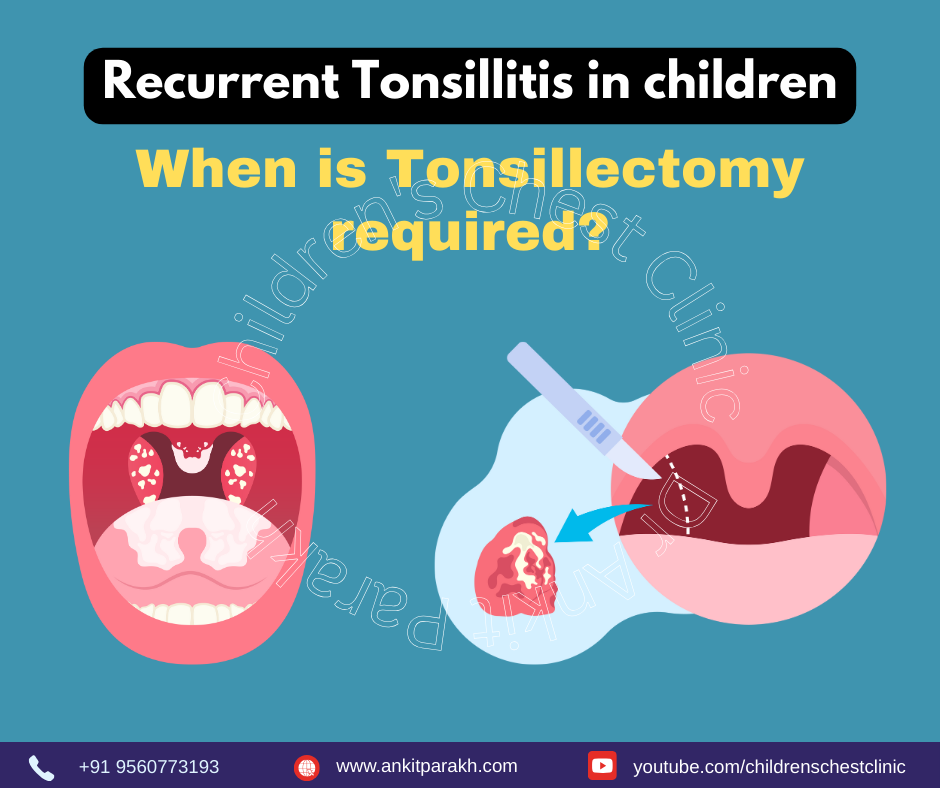
Tonsillectomy is a surgical procedure where the tonsils, the small glands located at the back of the throat, are removed. While the tonsils serve a purpose in helping to fight infections in the body, sometimes they can become a source of chronic problems. In certain situations, tonsillectomy becomes necessary to restore the child’s health and improve their quality of life.
Indications for Tonsillectomy in Children
For many parents, it can be challenging to know when tonsillectomy is the best course of action for their child. The decision often revolves around recurrent issues such as tonsillitis, repeated throat infections, snoring, and sleep apnea. Let’s break down each condition and its role in determining whether tonsillectomy is needed.
1. Repeated Throat Infections (Tonsillitis)
One of the most common reasons tonsillectomy is recommended is for children who experience frequent episodes of tonsillitis—an infection of the tonsils. This condition often results in severe sore throats, difficulty swallowing, fever, and swollen glands. If a child has:
- Seven or more episodes of tonsillitis in one year
- Five or more episodes per year for two consecutive years
- Three or more episodes for three years in a row
…then it may be time to consider tonsillectomy. Repeated tonsillitis can affect a child’s overall health, leading to more frequent school absences and interference with daily activities.
2. Snoring and Sleep Apnea
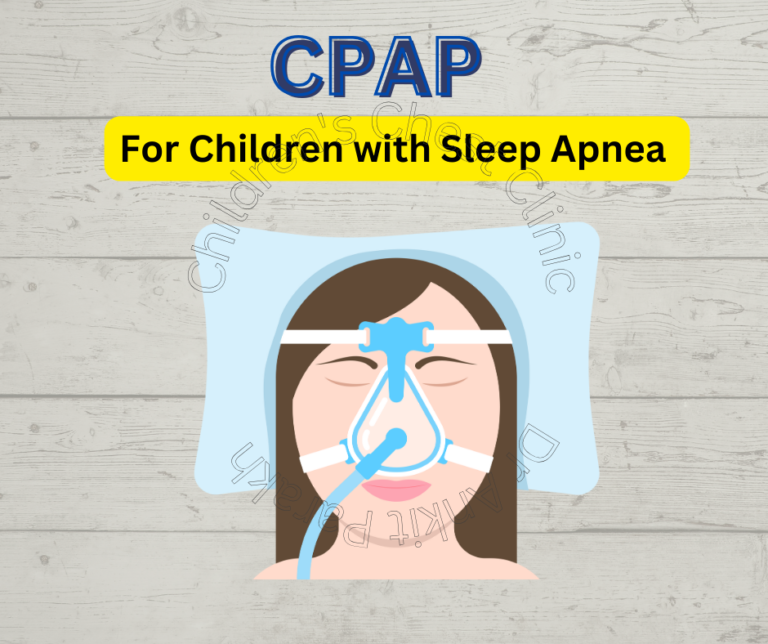
Another major reason for tonsillectomy in children is the presence of snoring or sleep-disordered breathing, such as sleep apnea. When the tonsils become enlarged, they can obstruct the airway, leading to noisy breathing and disrupted sleep. In cases of sleep apnea, a child may experience:
- Loud snoring
- Pauses in breathing during sleep
- Restlessness during sleep
- Daytime fatigue or irritability
If your child exhibits these symptoms and their enlarged tonsils are the suspected cause, a tonsillectomy may be recommended to improve both their breathing and their sleep quality.
3. Chronic Tonsil Enlargement
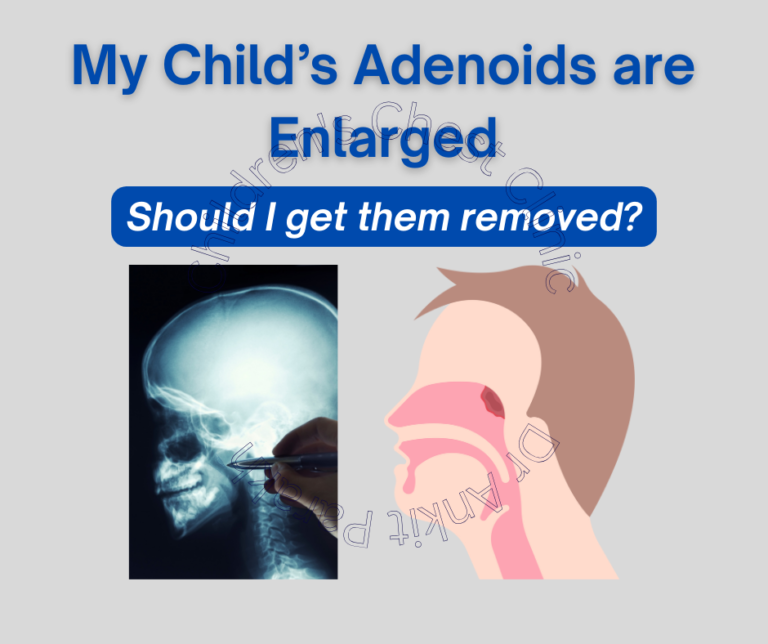
Some children experience ongoing enlargement of their tonsils without frequent infections. This can also lead to problems like difficulty swallowing or breathing, particularly during sleep. When tonsils are significantly enlarged, they may cause discomfort or interfere with normal activities. If other treatments have not helped reduce the swelling, tonsillectomy might be the most effective solution.
4. Complications from Recurrent Infections
In some cases, tonsillitis leads to complications like an abscess (pus-filled infection) around the tonsils, known as a peritonsillar abscess. This causes severe pain, difficulty swallowing, and even difficulty breathing. If these complications arise, tonsillectomy may be necessary to prevent further health issues.
Benefits of Tonsillectomy for Children
The benefits of tonsillectomy for children go beyond just resolving the immediate issue of tonsillitis or sleep apnea. After the procedure, children often experience:
- Fewer throat infections: Removing the tonsils eliminates the source of recurring infections, reducing the frequency of sore throats.
- Improved quality of sleep: With enlarged tonsils removed, children often experience better, uninterrupted sleep, leading to improved mood and concentration.
- Increased energy and well-being: Better sleep and fewer illnesses often result in improved energy levels, school attendance, and overall well-being.
Tonsillectomy is a common procedure for children who experience repeated throat infections, sleep apnea, or other complications from enlarged tonsils. If your child struggles with tonsillitis, snoring, or sleep-related breathing issues, it’s important to discuss these symptoms with your pediatrician. Tonsillectomy can significantly improve your child’s quality of life by reducing the frequency of infections, improving sleep quality, and enhancing overall well-being.
Conclusion
Frequently Asked Questions
1. At what age is tonsillectomy recommended for children?
While tonsillectomy can be performed at any age, it is most commonly recommended for children between the ages of 3 and 7. The procedure may be considered earlier or later depending on the severity of the symptoms and the child’s overall health.
2. Are there risks associated with tonsillectomy?
As with any surgery, there are risks involved, including bleeding, infection, and adverse reactions to anesthesia. However, tonsillectomy is generally considered a safe procedure with a low risk of complications.
3. How long does recovery take after tonsillectomy?
Recovery time can vary, but most children recover from tonsillectomy in about 7 to 10 days. During this period, they may experience sore throats, trouble swallowing, and fatigue, which should improve with time.
4. Will my child’s immune system be weakened after a tonsillectomy?
The tonsils are part of the body’s immune system, but their removal doesn’t significantly affect a child’s ability to fight off infections. The immune system will continue to function normally with other lymphoid tissues in the body.
5. How can I help my child recover after tonsillectomy?
5. How can I help my child recover after tonsillectomy?
Related conditions & services
Medical Advice & Clinical Disclaimer
The educational medical guidance provided in this guide is for informational purposes only. It should not be used as a substitute for direct pediatric consultation, physical diagnosis, or clinical prescription. For individualized medical assessment of your child, schedule an appointment with Dr. Ankit Parakh.