Overview

Obstructive Sleep Apnea in Children: Causes, Investigations, and TreatmentPossible reasons and triggers
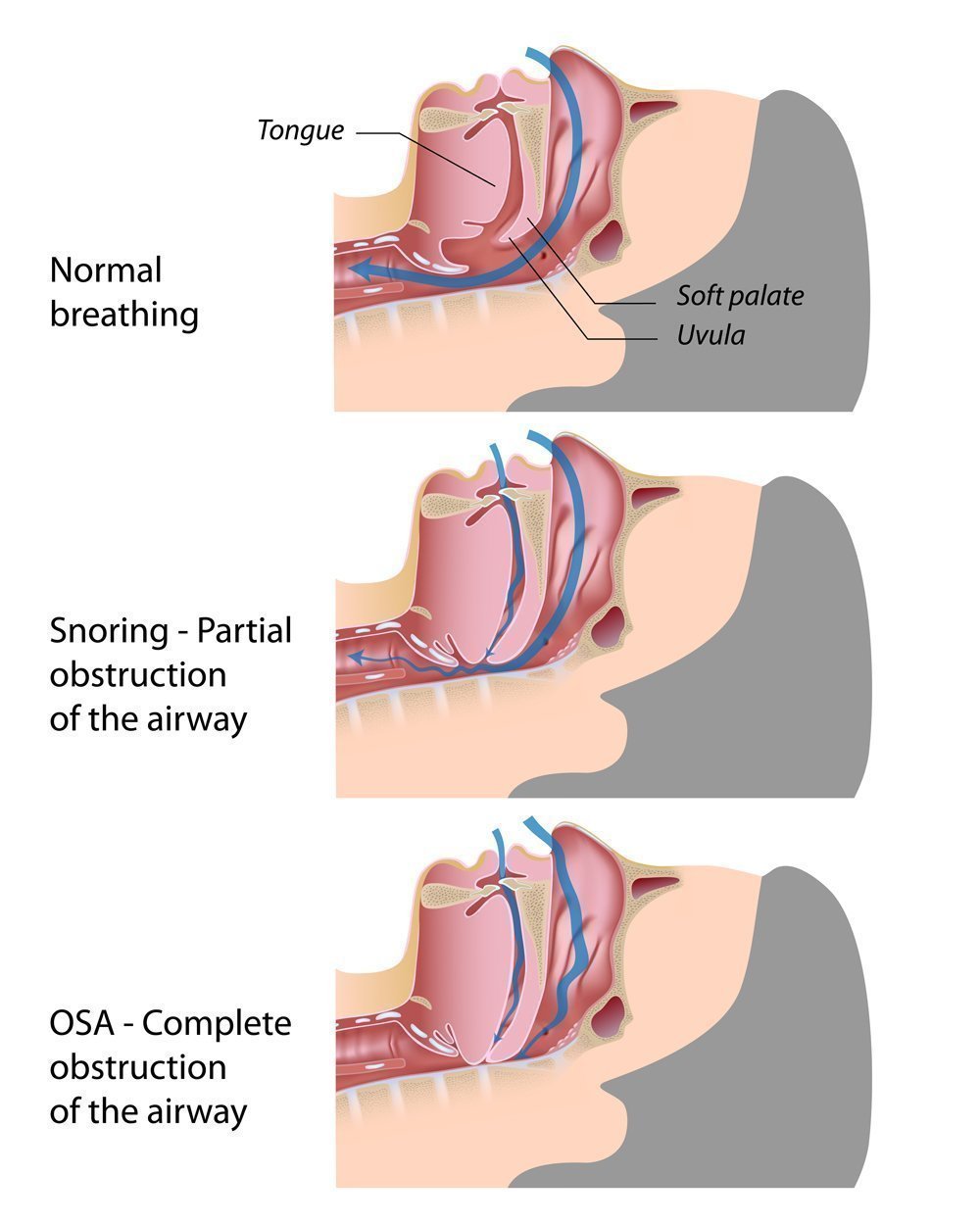
Obstructive Sleep Apnea (OSA) is a sleep-related breathing disorder characterized by repeated episodes of partial or complete upper airway obstruction during sleep. While commonly associated with adults, OSA is increasingly recognized in children and can have serious implications for their growth, behavior, and overall health. • This leads to a poor sleep quality (also called as a fragmented sleep). Sleep apnea also leads to disturbances in the blood levels of oxygen and carbon dioxide (waste gas).This section deals with Obstructive Sleep Apnea (OSA) in children with a focus on the causes, investigations, and treatment options for OSA in children.
Causes of Obstructive Sleep Apnea in ChildrenPossible reasons and triggers
Enlarged Adenoids and Tonsils
- The most common cause of OSA in children is the enlargement of the adenoids and tonsils, which can obstruct the airway during sleep.
Obesity:
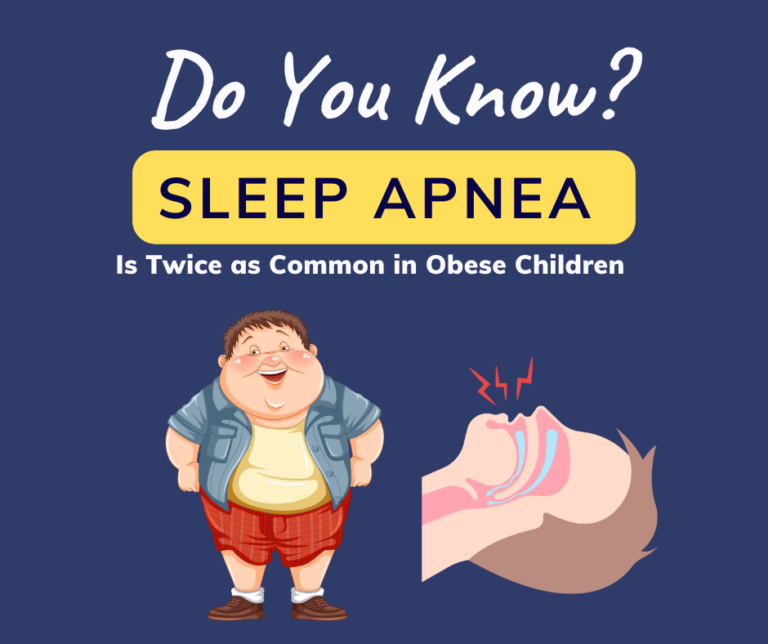
- Excess body weight can lead to fat deposition around the airway, increasing the risk of obstruction.
Craniofacial Abnormalities
- Structural differences like a small jaw or high-arched palate can narrow the airway.
- Syndromes such as Down syndrome or Pierre Robin sequence are associated with a higher risk of OSA.
Neuromuscular Disorders:
- Conditions affecting muscle tone and control, such as cerebral palsy, can contribute to airway obstruction.
Genetic Syndrome
- Many genetic syndrome predispose children to obstructive sleep apnea (OSA) such as Downs, Prader Willi, Pierre Robin syndrome.
Signs and Symptoms of OSA in ChildrenCommon signs to look for
- The primary symptom of sleep apnea is snoring during sleep. In children with obstructive sleep apnea (OSA) snoring can be associated with intermittent gasps , short pauses, bed wetting and abnormal sleep postures (like sleeping with neck hyperextended). Sleep can be restless sleep with frequent awakenings.
- There can be associated day time symptoms like morning headaches and excessive day time sleepiness. Some children might develop behavioral problems, such as hyperactivity, often mistaken for ADHD. Poor concentration and memory is also seen in many children with obstructive sleep apnea (OSA).
Investigations for Obstructive Sleep ApneaTests and evaluation methods
- Sleep History and ExaminationA detailed history of snoring, sleep patterns, and daytime symptoms, along with a physical examination of the airway.
- Polysomnography (Sleep Study): The gold standard for diagnosing OSA, this overnight test monitors breathing, oxygen levels, brain activity, and more during sleep.
- Imaging StudiesX-rays soft tissue neck may be used to assess the size of the adenoids and tonsils or detect craniofacial abnormalities.
- Endoscopic ExaminationFlexible nasopharyngoscopy or laryngoscopy can evaluate airway obstructions caused by adenoids or other factors.
Treatment for Obstructive Sleep Apnea in ChildrenMedications and therapies
- AdenotonsillectomySurgical removal of the adenoids and tonsils is the first-line treatment for OSA caused by their enlargement.
- Weight ManagementFor children with obesity, a combination of diet, exercise, and counseling can improve symptoms.
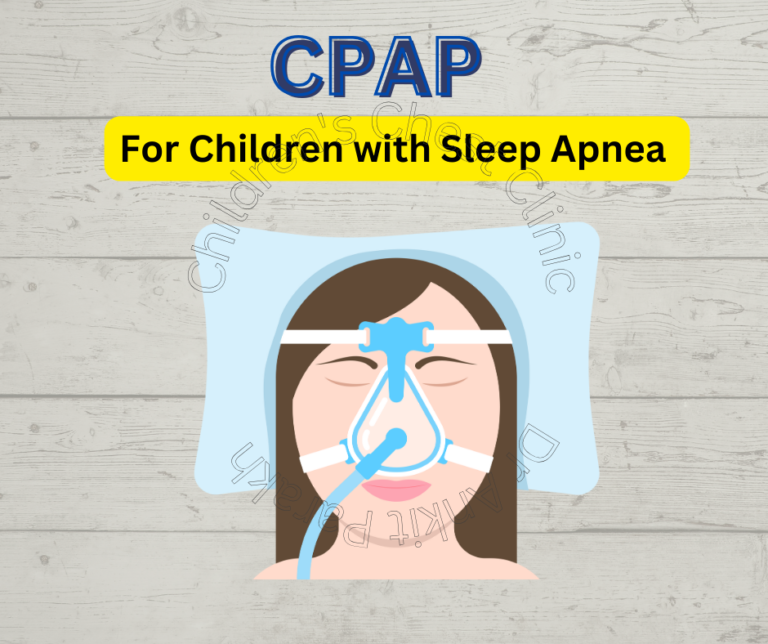
- Continuous Positive Airway Pressure (CPAP)CPAP therapy involves using a machine to keep the airway open during sleep, particularly in cases where surgery is not effective or feasible.
- Allergy ManagementTreating allergies with antihistamines, nasal sprays, or decongestants can reduce nasal congestion and improve airflow.
- Orthodontic InterventionsDental appliances like expanders can correct jaw alignment and increase airway space in some children.
Long-term Impact of Untreated OSA
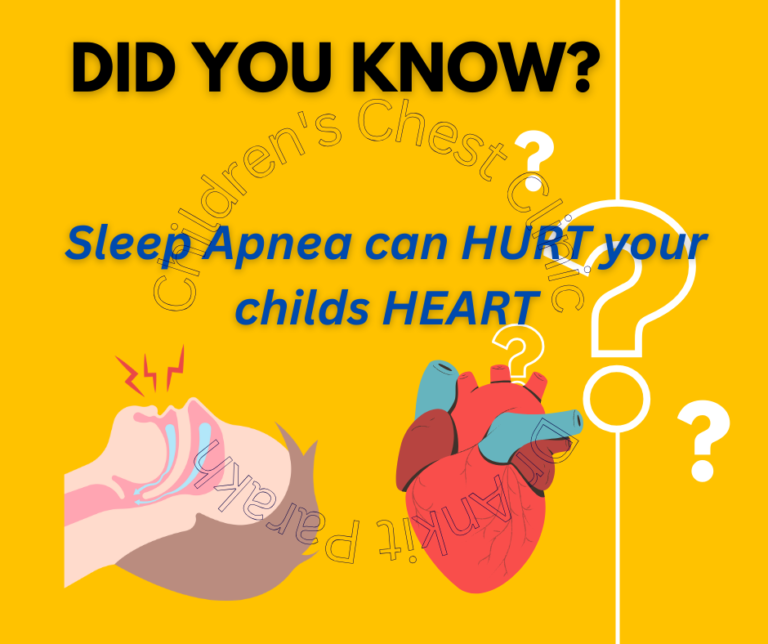
If left untreated, Obstructive Sleep Apnea can lead to serious complications, including growth delays, cardiovascular problems such as pulmonary hypertension, poor academic performance, and behavioral issues. Early diagnosis and treatment are crucial to prevent these outcomes.
Obstructive Sleep Apnea is a treatable condition that can significantly improve a child’s quality of life when addressed early. If you notice symptoms of OSA in your child, consult a pediatric sleep specialist for a comprehensive evaluation and personalized treatment plan.
Conclusion
1. What are the most common causes of Obstructive Sleep Apnea in children?Possible reasons and triggers
The most common cause is enlarged adenoids and tonsils, followed by obesity, craniofacial abnormalities, and neuromuscular disorders.
2. How is OSA diagnosed in children?Tests and evaluation methods
A sleep study, or polysomnography, is the gold standard for diagnosing OSA and evaluating its severity.
3. Can removing adenoids and tonsils cure OSA in children?
Adenotonsillectomy is effective in most cases where enlarged adenoids and tonsils are the primary cause of OSA.
4. What are the signs of OSA in children?Common signs to look for
Symptoms include snoring, mouth breathing, restless sleep, daytime fatigue, and behavioral issues such as hyperactivity.
5. Is CPAP therapy safe for children with OSA?Medications and therapies
Yes, CPAP therapy is safe and effective for children when surgery is not an option or when OSA persists after surgery.