On this page 12 sections
- What is Childhood Obstructive Sleep Apnea?
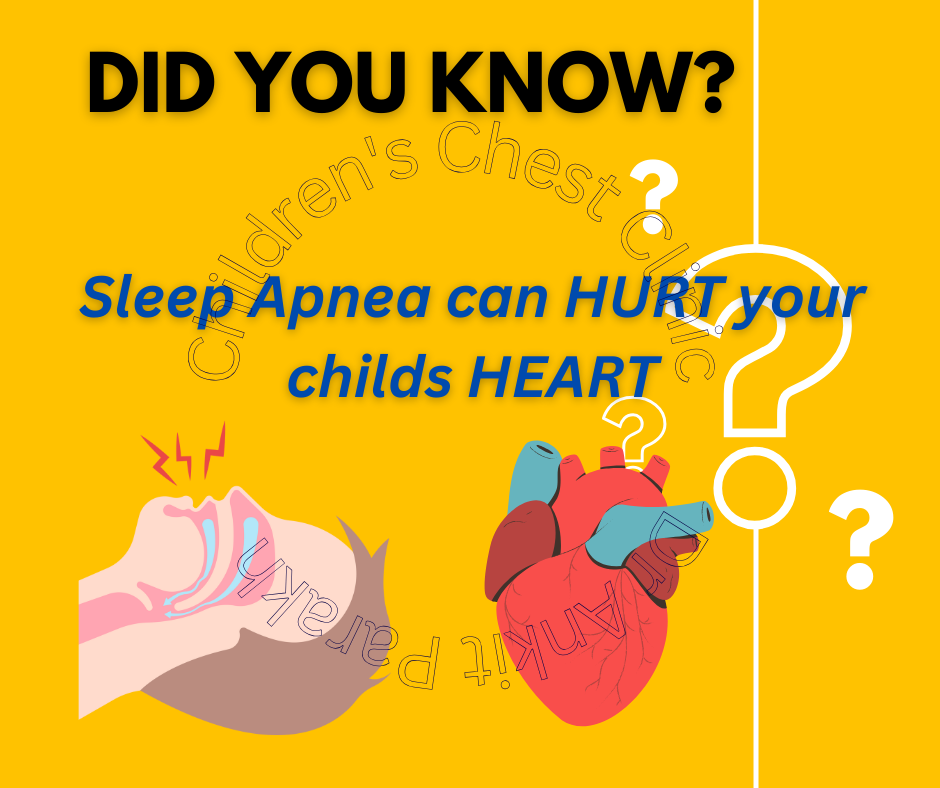
- How Does Childhood Obstructive Sleep Apnea (OSA) Affect the Heart?
- 1. Increased Blood Pressure (Hypertension)
- 2. Changes in Heart Structure
- 3. Pulmonary Hypertension
- 4. Increased Risk of Arrhythmias
- 5. Long-Term Cardiac Risk
- Who is at Risk?
- Diagnosis and Treatment
- Diagnosis:
- Treatment:
- Frequently Asked Questions
Childhood Obstructive Sleep Apnea (OSA) is a growing concern that goes beyond loud snoring and restless sleep. Many parents may not realize that untreated OSA in children can have serious long-term consequences — especially on the heart.
The connection between Childhood Obstructive Sleep Apnea and heart (cardiac) complications is well documented in pediatric sleep medicine. Early recognition and treatment can significantly reduce the risk of lasting damage to your child’s cardiovascular health.
What is Childhood Obstructive Sleep Apnea?
Childhood Obstructive Sleep Apnea (OSA) is a sleep-related breathing disorder where the child’s airway becomes partially or completely blocked during sleep, often due to enlarged tonsils or adenoids. These repeated breathing pauses can lead to:
-
Snoring
-
Restless sleep
-
Mouth breathing
-
Bedwetting
-
Daytime tiredness or poor school performance
More importantly, it can affect the body’s oxygen supply and put undue strain on the heart and circulatory system.
How Does Childhood Obstructive Sleep Apnea (OSA) Affect the Heart?
During an apnea episode, the body briefly drops in oxygen levels and raises carbon dioxide. These repeated events throughout the night can create a stress response in the body, leading to:
1. Increased Blood Pressure (Hypertension)
Children with Obstructive Sleep Apnea (OSA) may develop elevated blood pressure, even during sleep. This is due to the constant fight-or-flight response triggered by low oxygen.
2. Changes in Heart Structure
Obstructive Sleep Apnea (OSA) may cause thickening of the heart’s right ventricle (right ventricular hypertrophy) due to increased pressure in the lungs (pulmonary hypertension), making the heart work harder than normal.
3. Pulmonary Hypertension
Reduced oxygen levels can cause high blood pressure in the arteries of the lungs, leading to strain on the right side of the heart.
4. Increased Risk of Arrhythmias
Children with severe, untreated sleep apnea are at higher risk for developing abnormal heart rhythms, especially during sleep.
5. Long-Term Cardiac Risk
Over time, chronic untreated Obstructive Sleep Apnea (OSA) may contribute to early cardiovascular disease, even in childhood, and increase the risk in adulthood.
Who is at Risk?
Children at higher risk of cardiac complications from childhood Obstructive Sleep Apnea (OSA) include those with:
-
Obesity
-
Down syndrome or craniofacial abnormalities
-
Enlarged tonsils and adenoids
-
Neuromuscular disorders
-
Asthma or other chronic respiratory illnesses
Diagnosis and Treatment
Diagnosis:
A pediatric sleep study (Polysomnography) is the gold standard for diagnosing OSA in children. It measures breathing patterns, oxygen levels, and heart rate during sleep.
Treatment:
-
Adenotonsillectomy: Surgery to remove tonsils and adenoids
-
Weight management in obese children
-
CPAP therapy in severe cases
-
Nasal sprays or allergy management when relevant
With proper treatment, most cardiac complications are reversible, and your child can go on to lead a healthy life.
Childhood Obstructive Sleep Apnea is not just a snoring issue — it’s a serious medical condition that can affect your child’s heart and overall development. If your child snores, breathes loudly at night, or shows signs of sleep disturbance, early evaluation by a pediatric pulmonologist and sleep specialist is crucial.
Conclusion
Frequently Asked Questions
1. Can sleep apnea in children cause heart disease?
Yes. If untreated, Childhood Obstructive Sleep Apnea can lead to high blood pressure, abnormal heart rhythms, and changes in heart structure.
2. How can I tell if my child’s heart is affected by sleep apnea?
Signs like fatigue, poor growth, shortness of breath, or a heart murmur may be clues. A pediatrician may advise further evaluation with an echocardiogram or sleep study. Many children may not have any symptoms of heart disease.
3. Is snoring always a sign of heart problems in children?
Not always, but persistent or loud snoring should not be ignored. It could indicate sleep apnea, which, if left untreated, may affect the heart.
4. Can treating sleep apnea reverse heart changes?
Yes. Early treatment — whether surgical or non-surgical — can reverse cardiac changes and prevent long-term damage.
5. When should I consult a sleep specialist for my child?
If your child snores frequently, has restless sleep, or daytime behavioral issues, consult a pediatric sleep specialist for evaluation.
Related conditions & services
Medical Advice & Clinical Disclaimer
The educational medical guidance provided in this guide is for informational purposes only. It should not be used as a substitute for direct pediatric consultation, physical diagnosis, or clinical prescription. For individualized medical assessment of your child, schedule an appointment with Dr. Ankit Parakh.