Genetic Syndromes and Sleep Apnea in Childre
Children with genetic syndromes often face a unique set of challenges, and one such common issue is sleep apnea. The interplay between genetic conditions and sleep-disordered breathing is complex, but early recognition and intervention can significantly improve a child’s quality of life.
What Are Genetic Syndromes?
Genetic syndromes are conditions caused by abnormalities in a child’s DNA, which may be inherited or occur spontaneously. These syndromes often lead to developmental delays, physical abnormalities, and systemic issues affecting multiple organs.
Some genetic syndromes associated with sleep apnea include:
- Craniofacial syndromes (Apert, Crouzon, Pfeiffer): Midface hypoplasia, small jaw, high arched palate
- Down SyndromeIncreased airway obstruction due to midface hypoplasia, enlarged tonsils, and a smaller airway.
- Prader-Willi SyndromeHypotonia and obesity contribute to airway collapse during sleep.
- Pierre Robin SequenceMicrognathia (small jaw) and a cleft palate can narrow the airway.
- AchondroplasiaCraniofacial structure abnormalities increase the risk of obstructive sleep apnea (OSA).
How Genetic Syndromes Contribute to Sleep Apnea
Children with genetic syndromes often have anatomical and physiological features that predispose them to sleep apnea.
Key contributing factors include:
- Craniofacial AbnormalitiesSmall jaw, high arched palate, or midface hypoplasia can narrow the airway.
- Neuromuscular IssuesHypotonia (reduced muscle tone) weakens airway support.
- ObesityCommon in conditions like Prader-Willi Syndrome, adding pressure on the airway.
- Enlarged Tonsils and AdenoidsFrequently seen in genetic syndromes, further obstructing airflow.
In children with genetic syndromes the cause of OSA multifactorial with multilevel airway obstruction; most important being falling back of the tongue and midface hypoplasia.
Diagnosing and Treating Sleep Apnea in Children with Genetic SyndromesTests and evaluation methods
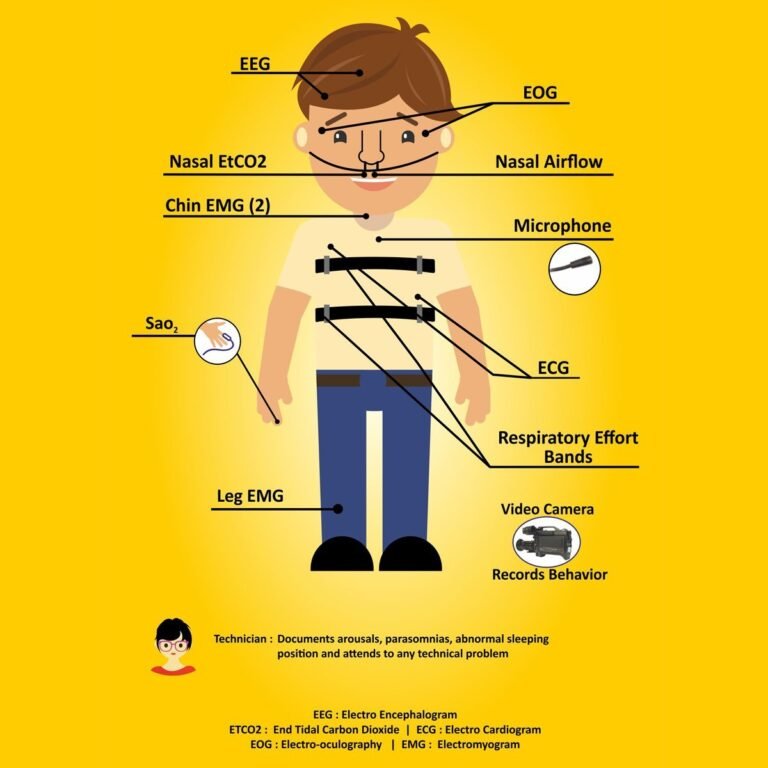
A high index of suspicion should be kept for children with underlying genetic syndromes and other medical conditions which predispose to OSA. Symptoms in these children can be subtle and non specific. Children with the above genetic syndromes or high risk groups should be appropriately screened and require a sleep study or polysomnography for diagnosis of sleep apnea. Early diagnosis is vital for effective treatment.
Treatment options include
- Continuous Positive Airway Pressure (CPAP)A device that keeps the airway open during sleep.
- Surgical InterventionsRemoval of enlarged tonsils and adenoids or corrective surgeries for craniofacial abnormalities.
- Weight ManagementFor children with obesity-related apnea.
- TherapiesOrthodontic or speech therapy to address structural and functional issues.
Children with genetic syndromes and sleep apnea need personalized care to address their unique challenges. Early intervention and a multidisciplinary approach can greatly enhance their health and development. If you suspect your child may have sleep apnea, seek expert guidance from a pediatric sleep specialist.
Conclusion
1. Which genetic syndromes are most associated with sleep apnea?Who is more likely to develop it
Down syndrome, Prader-Willi syndrome, Pierre Robin sequence, and achondroplasia are commonly linked to sleep apnea.
2. How is sleep apnea diagnosed in children with genetic syndromes?Tests and evaluation methods
A sleep study (polysomnography) is the most accurate method to diagnose sleep apnea in children.
3. Can sleep apnea in genetic syndromes be treated without surgery?
Yes, CPAP therapy and weight management can effectively manage many cases. However, surgical intervention may be needed in severe cases.
4. What are the risks of untreated sleep apnea in children with genetic syndromes?
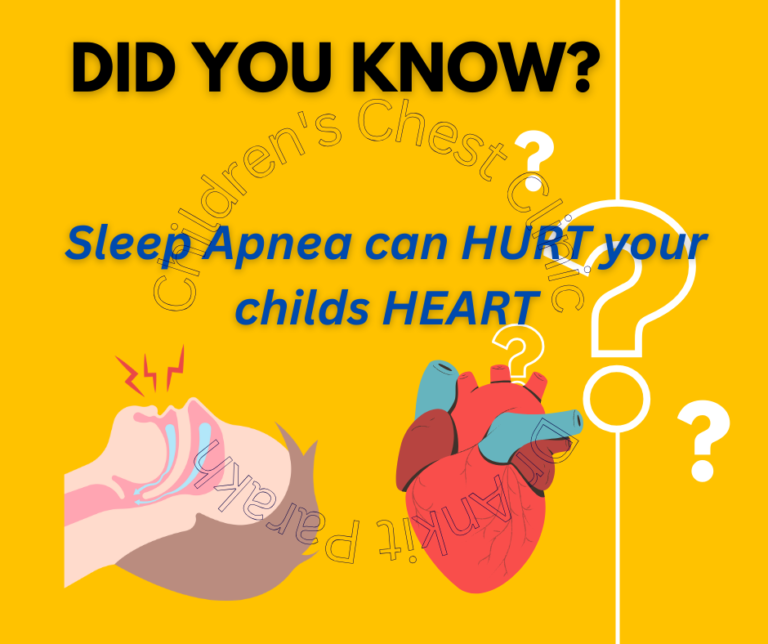
Untreated sleep apnea can lead to growth delays, cardiovascular issues, behavioral problems, and reduced quality of life.
5. When should I consult a specialist for my child’s sleep apnea?Seek expert help at the right time
If your child snores loudly, struggles with daytime fatigue, or has a known genetic syndrome with sleep issues, consult a pediatric sleep specialist promptly.