Overview
Nasal Allergy in Children: Understanding Allergic Rhinitis
Nasal allergy or allergic rhinitis is a very common problems in children and adults. Approximately 20-40% children world over suffer from allergic rhinitis. They result in persistent symptoms like sneezing, nasal block, nasal itching, a running nose, and post-nasal drip, which can interfere with daily activities and quality of life. Early diagnosis and management are crucial to help children lead healthier lives. This section deals with allergic rhinitis in children with the focus on symptoms, causes, diagnosis and treatment.
What is Allergic Rhinitis?
Allergic rhinitis is an inflammatory condition of the nasal passages caused by an allergic reaction to environmental triggers like pollen, dust mites, mold, or pet dander. It can be seasonal, linked to specific allergens during certain times of the year (commonly called hay fever), or perennial, occurring year-round due to continuous exposure to allergens.
Symptoms of Allergic Rhinitis in ChildrenCommon signs to look for
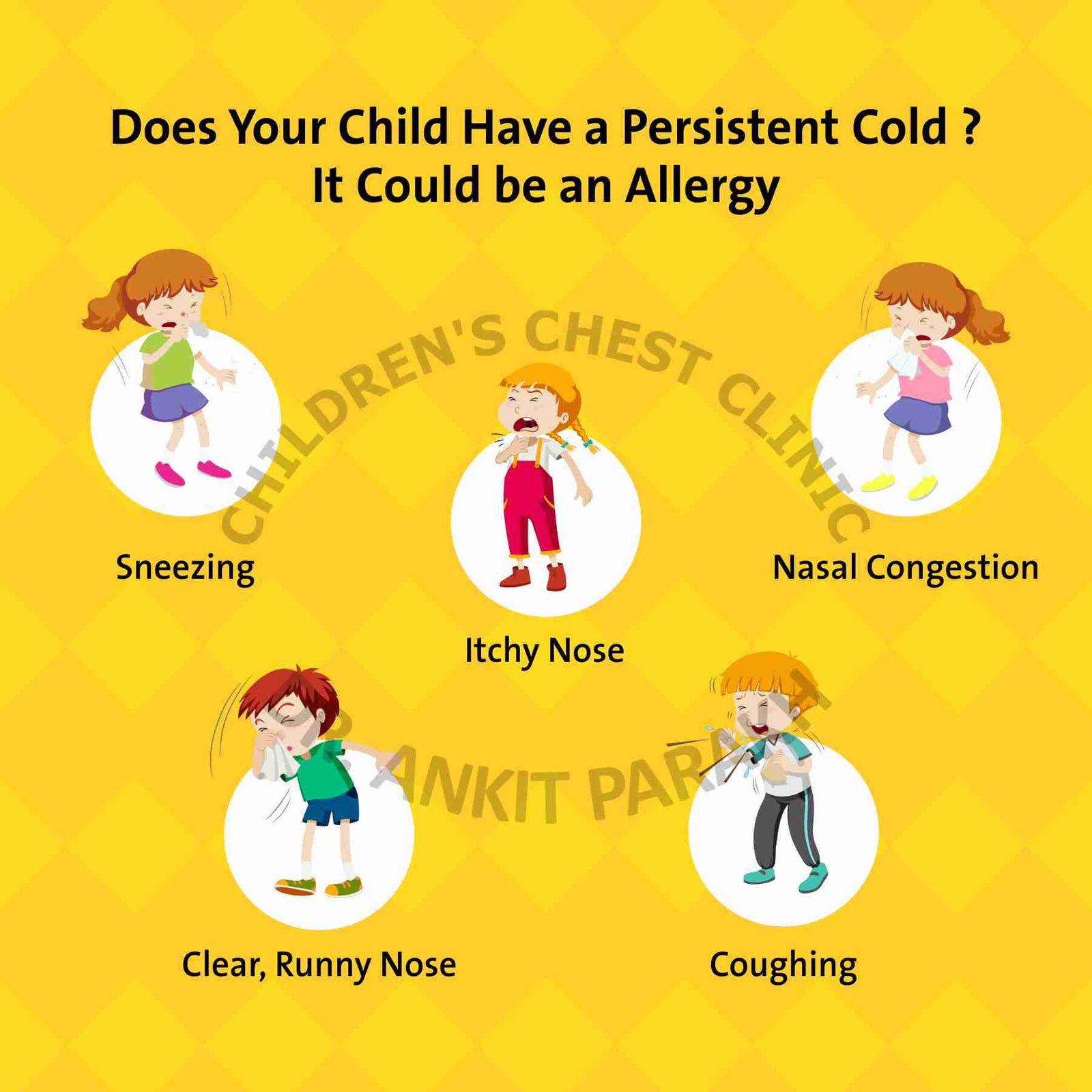
Children with allergic rhinitis often exhibit the following symptoms:
- SneezingFrequent and uncontrollable bouts of sneezing.
- Nasal ItchingPersistent itching inside the nose, causing discomfort.
- Running NoseA watery nasal discharge that may worsen with allergen exposure.
- Nasal BlockDifficulty breathing through the nose due to congestion.
- Post-Nasal DripExcess mucus dripping down the throat, leading to coughing or throat irritation.
These symptoms can also affect sleep patterns, causing fatigue and impacting academic performance.
Causes of Allergic RhinitisPossible reasons and triggers
The condition is triggered when the immune system overreacts to allergens. Common triggers include:
- Outdoor AllergensPollens from trees, grasses, and weeds.
- IrritantsTobacco smoke, strong odors, and air pollution.
Genetics also play a significant role, as children with a family history of allergies are more likely to develop allergic rhinitis.
Diagnosis of Allergic RhinitisTests and evaluation methods
A pediatric allergist will assess the child’s medical history, symptoms, and exposure to potential triggers. Diagnostic tools may include:
- Skin Prick TestIdentifies specific allergens causing the reaction.
- Blood TestsMeasures allergen-specific antibodies.
- Lung Function TestsLung function tests are required in children having associated chest allergies or asthma.
Managing Allergic Rhinitis in Children
Avoidance of Allergens
- Limit exposure to known triggers by keeping windows closed during high pollen seasons, using air purifiers, and maintaining a clean indoor environment.
Medications:
- AntihistaminesHelp relieve sneezing, nasal itching, and a running nose.
- Intranasal CorticosteroidsIntranasal corticosteroids are the most effective treatment for nasal allergy or allergic rhinitis. It reduces inflammation and hence improves symptoms like nasal block, sneezing, running nose etc. The most commonly used intranasal corticosteroids are mometasone and fluticasone.
Immunotherapy:
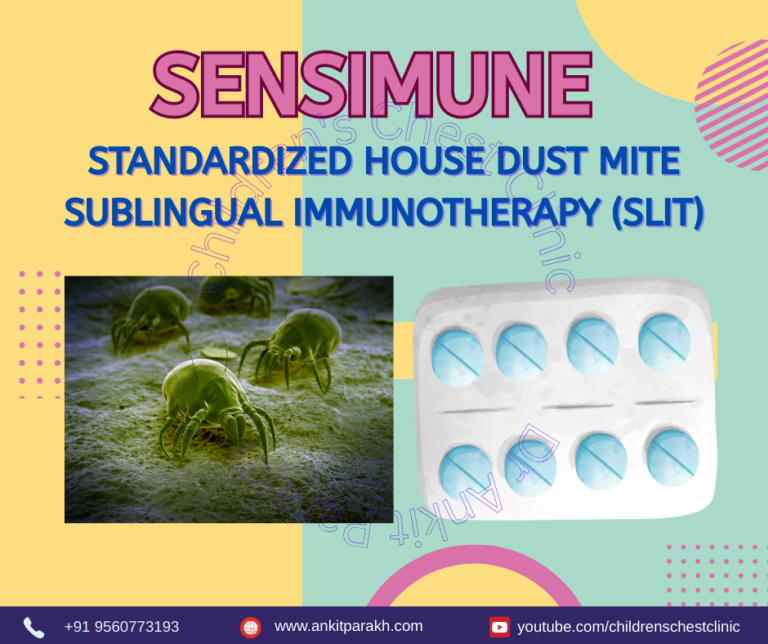
- Allergen immunotherapy (allergy shots or sublingual tablets) may be recommended for long-term relief. Allergen immunotherapy is recommended for children with allergic rhinitis who are not improving with intranasal corticosteroids and antihistamines with a documented allergy, either dust mites or pollens.
- Limit exposure to known triggers by keeping windows closed during high pollen seasons, using air purifiers, and maintaining a clean indoor environment.
When to Consult a Pediatric Allergist or PulmonologistSeek expert help at the right time
Parents should seek medical advice if the symptoms are persistent, severe, or affecting the child’s daily activities and sleep. A pediatric pulmonologist or allergist can provide tailored treatment plans and preventive strategies to manage the condition effectively.
1. Can allergic rhinitis lead to other complications?
Yes, if left untreated, allergic rhinitis can lead to sinus infections, ear infections, or worsening of asthma symptoms.
2. How can I tell if my child’s symptoms are due to allergies or a common cold?Common signs to look for
Allergies cause persistent sneezing, nasal itching, and a watery running nose without fever, whereas colds usually involve fever, body aches, and thicker nasal discharge.
3. What are the other allergies associated with allergic rhinitis in children?Who is more likely to develop it
Many children with allergic rhinitis would have associated asthma, enlarged adenoids, ear problems, allergic eyes or conjunctivitis, sinusitis, atopic eczema etc.
4. Are there any natural remedies for nasal allergies?
Saline nasal rinses, using a humidifier, and minimizing exposure to triggers are helpful natural strategies. These might be useful for a short term relief, especially in mild cases.
5. Can allergic rhinitis affect my child’s academic performance?
Yes, chronic symptoms like nasal block and post-nasal drip can disrupt sleep, leading to fatigue and reduced focus in school.