Overview
Drug Allergy in Children: Symptoms, Causes, Diagnosis, and PreventionCommon signs to look for
Drug allergies are uncommon yet significant reactions to medications that can occur in children. They involve the immune system overreacting to a drug, mistaking it for a harmful substance. While most medications are safe and effective, identifying and managing drug allergies is crucial to prevent serious complications.
What is a Drug Allergy?
A drug allergy is an abnormal immune response triggered by a medication. When the immune system misidentifies a drug as a threat, it releases chemicals like histamines, causing symptoms that range from mild to severe. It's important to distinguish drug allergies from side effects or intolerances, as they are managed differently.
Symptoms of Drug Allergy in ChildrenCommon signs to look for
Drug allergies can present with a variety of symptoms, often within minutes to hours of taking the medication. Common symptoms include:
Mild Symptoms
- Skin rashes or hives.
- Itching.
Moderate Symptoms:
- Swelling of the lips, face, or other parts of the body.
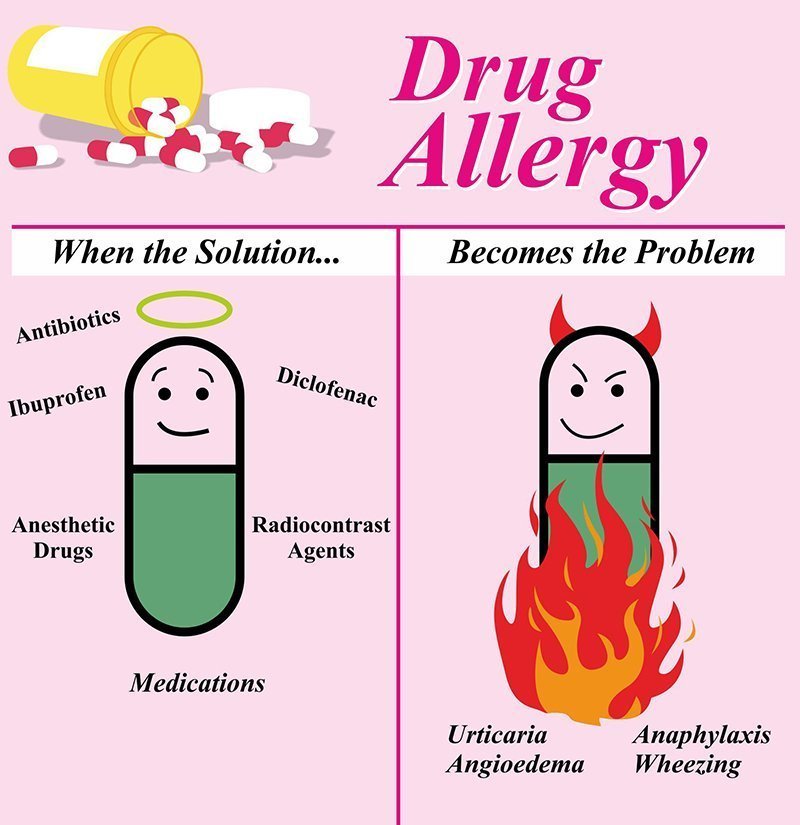
- Wheezing or difficulty breathing.
Severe Symptoms (Anaphylaxis)
- Difficulty breathing or swallowing.
- Low blood pressure, dizziness, or fainting.
- Loss of consciousness.
Any signs of anaphylaxis require immediate medical attention, as this condition can be life-threatening.
Causes of Drug Allergy in ChildrenPossible reasons and triggers
Specific Medications: Common culprits include antibiotics (like penicillin), non-steroidal anti-inflammatory drugs (NSAIDs), and anticonvulsants.
Diagnosing Drug AllergyTests and evaluation methods
A detailed medical history and physical examination are essential for diagnosing drug allergies. Additional tests may include:
- Skin Prick TestingA small amount of the suspected drug is applied to the skin to check for an allergic reaction.
- Drug Challenge TestConducted under medical supervision, the child is given gradually increasing doses of the suspected drug to confirm or rule out the allergy. Depending on the type of the drug, this might be done in the form of intradermal test or IV injection. For oral drugs, the challenge test might be done in the form of a syrup or a tablet.
Preventing Drug Allergies in ChildrenHow to reduce the risk
Medication Awareness
- Inform healthcare providers about any known drug allergies.
- Ensure the child’s medical records include allergy details.
Avoidance:
- Avoid prescribing or administering drugs known to trigger allergies.
- Substitute with alternative medications when possible.
Desensitization
- In some cases, a process called drug desensitization may allow a child to tolerate a necessary medication under controlled conditions.
Drug allergies in children can be concerning, but with proper diagnosis, avoidance, and emergency preparedness, they can be managed effectively. If your child is suspected to have drug allergy blue, get in touch with the pediatric allergist for a proper diagnosis and alternative medicines which can be given.
Conclusion
1. How can I tell if my child is allergic to a medication?Medications and therapies
Look for symptoms like rashes, itching, swelling, or difficulty breathing shortly after taking a new drug. Consult a pediatric allergist for confirmation.
2. What is the incidence of true drug allergy in children?
Self or parent reported DRUG ALLERGY is very common and it is estimated that more than 15% of patients/parents report drug allergy. Data suggests that >90% of children labelled as allergic to antibiotic can actually tolerate it. True antibiotic allergy is considered to be less than 10%. Most commonly the antibiotic allergy labels are acquired because rashes reported by parents. Most children are labelled before 3 years of age and these labels are carried into adulthood.
3. What are the harms of False Antibiotic Allergy Labelling?
False Antibiotic Allergy Labelling results in use of alternative antibiotics which are costly, less effective, contribute to increase in drug resistance. Adverse drug labelling is more important in children with chronic diseases like Cystic Fibrosis etc.
4. Can over-the-counter medications cause allergies?Possible reasons and triggers
Yes, even over-the-counter drugs like ibuprofen or acetaminophen can trigger allergic reactions in some children.
5. Is a drug allergy the same as a drug side effect?
No, a drug allergy involves the immune system, while side effects are non-allergic, predictable reactions to medications.