On this page 8 sections
Postnasal Discharge in Children
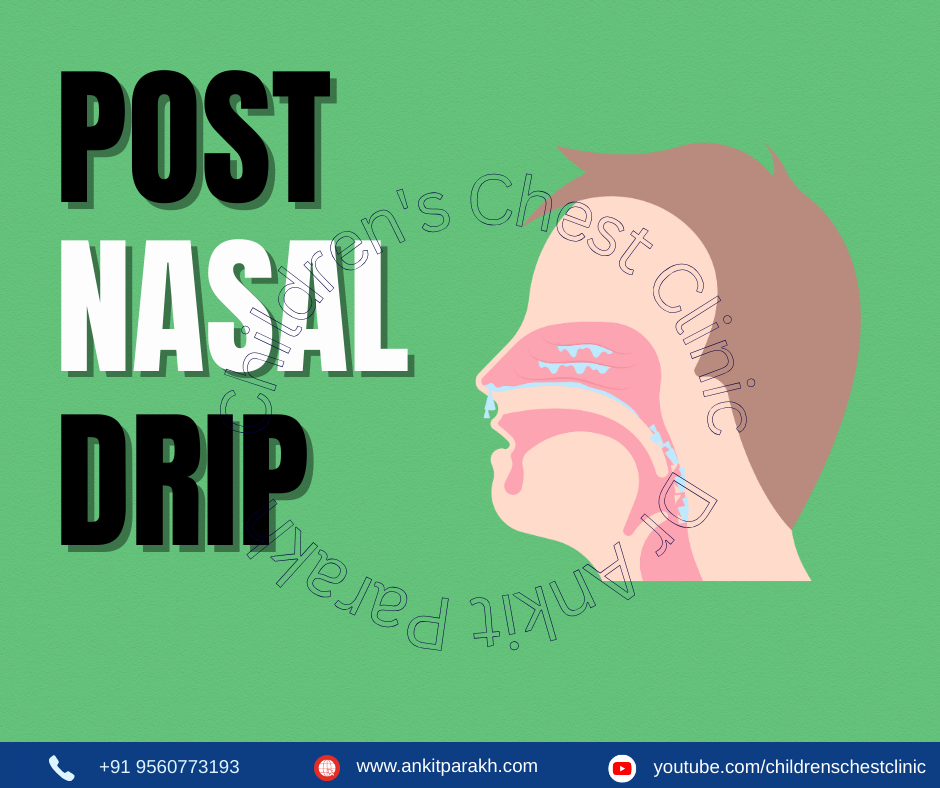
Postnasal discharge is a common complaint in children and one of the frequent reasons
parents seek consultation. It refers to mucus trickling down the back of the throat
from the nose or sinuses.
Although usually not serious, persistent postnasal discharge can lead to cough,
throat discomfort, sleep disturbance, and recurrent infections.
Understanding the underlying cause is essential for proper treatment, especially in
children who may not be able to express their symptoms accurately.
What is Postnasal Discharge?
Postnasal discharge, also known as postnasal drip, occurs when the nose and sinuses
produce excess mucus that runs down the back of the throat.
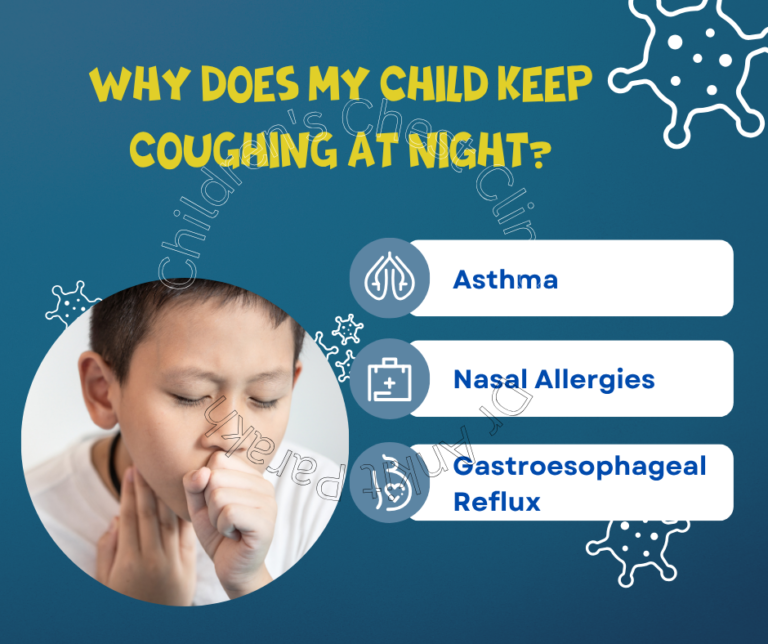
In children, this can cause constant throat clearing, coughing—especially at night—
and difficulty swallowing.
Symptoms of Postnasal Discharge in Children
Children with postnasal discharge may present with:
- Frequent throat clearing
- Persistent dry or wet cough, worse at night or early morning
- Sore throat or burning sensation in the throat
- Bad breath (halitosis)
- Nasal congestion or blocked nose
- Hoarse voice
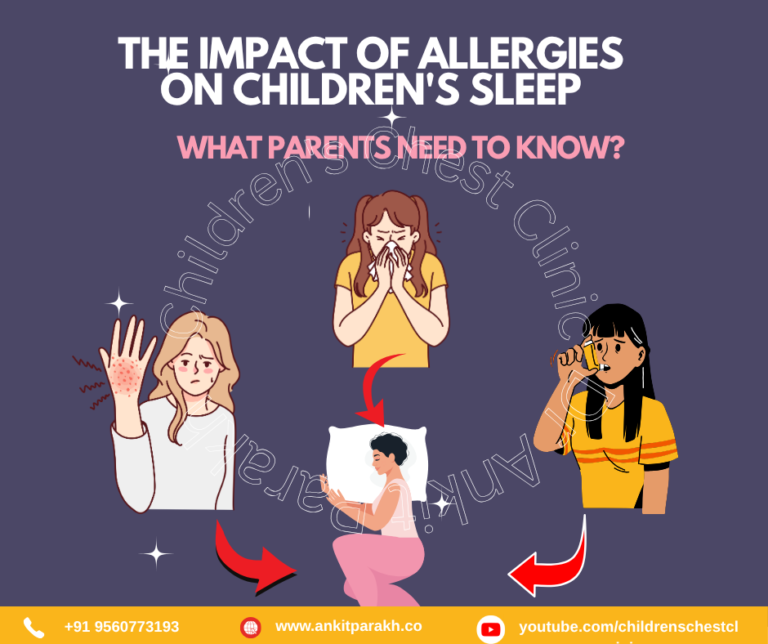
- Difficulty sleeping or restless sleep
- Older children may report a sensation of something stuck in the throat
These symptoms often overlap with conditions such as allergic rhinitis, sinusitis,
or upper respiratory infections.
Causes of Postnasal Discharge in Children
1. Allergic Rhinitis (Most Common Cause)
Children with allergic rhinitis react to allergens such as pollen, dust mites,
animal dander, or mold. This leads to excessive mucus production, sneezing,
itching, and nasal congestion.
2. Viral Upper Respiratory Infections
Common colds are the leading cause of short-term postnasal discharge.
During infections, the mucus becomes thick and increases in amount.
3. Sinusitis
When sinus inflammation persists, thick mucus drains down the throat,
causing chronic cough and bad breath.
4. Chronic Adenoid Enlargement
Enlarged adenoids block normal nasal drainage, leading to constant nasal
obstruction and postnasal discharge.
5. Gastroesophageal Reflux Disease (GERD)
Reflux of stomach acid can irritate the throat and worsen the sensation
of mucus dripping down the throat.
Diagnosis of Postnasal Discharge
A pediatric pulmonologist may use the following methods to identify
the underlying cause:
- Detailed medical history and symptom review
- Physical examination of the nose and throat
- Allergy testing if allergic rhinitis is suspected
- Nasal endoscopy to assess adenoids or structural issues
- X-ray or CT scan of the sinuses in persistent cases
Treatment of Postnasal Discharge in Children
Treatment depends on the underlying cause.
1. Management of Allergic Rhinitis
- Avoidance of allergens such as dust mites and pet dander
- Use of non-sedating antihistamines
- Nasal saline sprays or rinses
- Intranasal corticosteroid sprays in persistent cases
2. Treating Viral Infections
- Supportive care including hydration and saline sprays
- Steam inhalation when appropriate
- Most cases improve within 7 to 10 days
3. Treatment of Sinusitis
- Nasal saline irrigation
- Intranasal corticosteroids
- Antibiotics only when bacterial sinusitis is suspected
4. Adenoid Enlargement
- Initial medical therapy
- Adenoidectomy considered for severe obstruction or recurrent infections
5. GERD-Related Postnasal Discharge
- Dietary modifications such as small meals and avoiding acidic foods
- Medical therapy when required
When to See a Doctor?
Consult a pediatric pulmonologist if your child has:
- Cough lasting more than three weeks
- Night-time cough disturbing sleep
- Persistent bad breath or sore throat
- Recurrent sinus infections
- Breathing difficulty or snoring
Frequently Asked Questions (FAQs)
Frequently Asked Questions
1. Is postnasal discharge serious in children?
It is usually harmless but may indicate allergies, sinusitis, or adenoid issues if persistent.
2. Can postnasal discharge cause a constant cough?
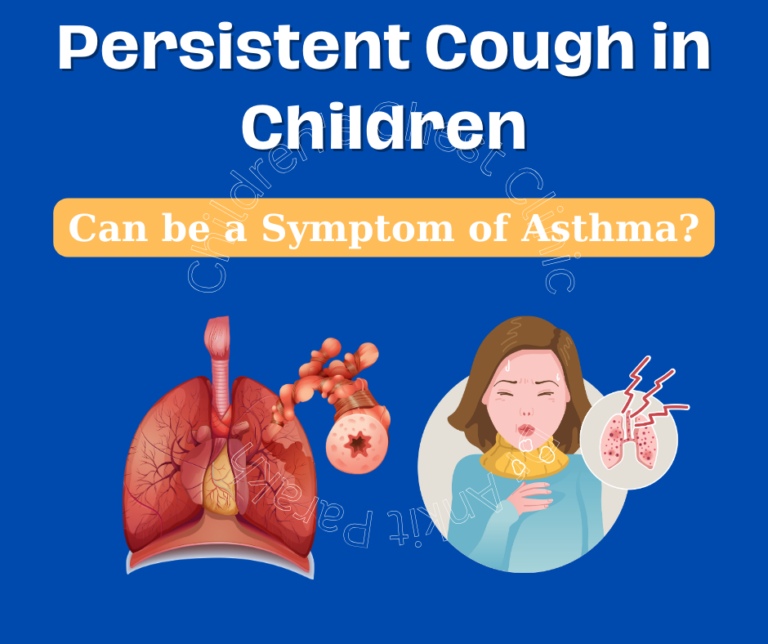
Yes. Mucus dripping down the throat irritates the airway, causing chronic cough, especially at night.
3. How can I relieve my child’s post nasal drip at home?
Saline nasal sprays, steam inhalation, humidifiers, and adequate hydration help reduce mucus.
4. Is postnasal discharge related to Allergic Rhinitis?
Yes. Allergic Rhinitis is the most common cause of chronic post nasal discharge in children.
5. When does a child need antibiotics?
Antibiotics are used only if bacterial sinusitis is suspected. Viral infections and allergies do not require antibiotics.
Related conditions & services
Medical Advice & Clinical Disclaimer
The educational medical guidance provided in this guide is for informational purposes only. It should not be used as a substitute for direct pediatric consultation, physical diagnosis, or clinical prescription. For individualized medical assessment of your child, schedule an appointment with Dr. Ankit Parakh.