
Atopic Eczema / Dermatitis Flare Ups in Children
Atopic eczema or dermatitis is one of the most common chronic inflammatory skin
conditions seen in children. It is characterised by dry skin, itching, redness,
and recurrent flare ups that can significantly affect a child’s comfort, sleep,
and overall quality of life.
Understanding how to identify early signs of flares and knowing the right
treatment strategies can help parents manage the condition more effectively.
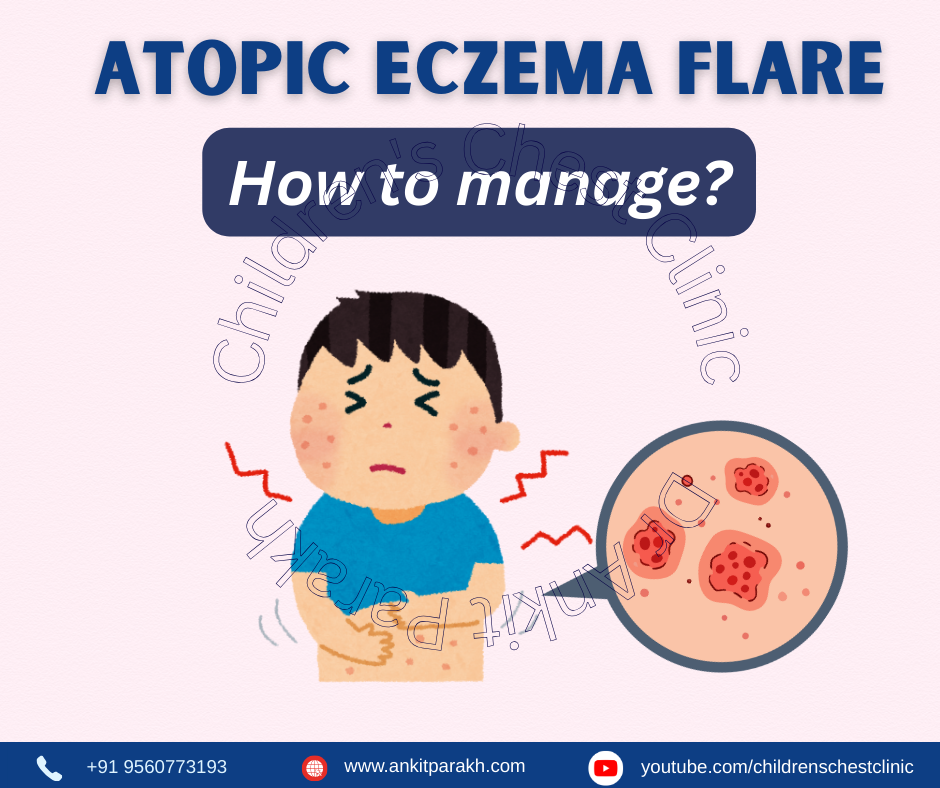
What Are Atopic Eczema / Dermatitis Flare Ups?
A flare up refers to periods when symptoms suddenly worsen. The skin becomes more
itchy, inflamed, and irritated, often triggered by allergens, infections, weather
changes, or lapses in skincare routines.
Early recognition is the key to preventing severe symptoms.
How to Recognise a Flare Up in Children
Parents should look out for the following symptoms:
- Increased Itching (Pruritus):
Itching intensifies and may become constant, often the first sign of a flare. - Redness and Warmth of Skin:
Inflamed patches may appear red, warm, or swollen. - Dry, Cracked, or Scaly Skin:
Skin may peel or appear rough due to loss of moisture. - Oozing or Wet Lesions:
In severe flares, the skin may weep clear fluid, indicating acute inflammation
or secondary infection. - Scratching Marks:
Children may scratch during the day or night, leading to excoriations. - Sleep Disturbance:
Severe itching often disrupts sleep and increases irritability.
Common Causes of Flare Ups
Several triggers can worsen atopic eczema or dermatitis in children:
1. Allergens
- Dust mites
- Pet dander
- Pollen
- Foods (in select cases)
2. Skin Irritants
- Soaps
- Detergents
- Fragrances
- Wool or synthetic clothing
3. Weather Changes
Cold, dry weather decreases skin moisture, while hot weather increases sweating
and irritation.
4. Infections
Bacterial, viral, or fungal infections can worsen eczema flare ups.
5. Emotional Stress
Stress can intensify itching and worsen flares.
6. Poor Skincare Routine
Skipping moisturisers or irregular use of prescribed medicines often leads to
flare ups.
How to Treat an Atopic Eczema or Dermatitis Flare Up
Treatment focuses on calming inflammation, restoring the skin barrier, and
preventing further irritation.
1. Moisturisers (Emollients)
- Apply two to three times daily
- Prefer thick creams or ointments over lotions
- Use immediately after bathing to lock in moisture
2. Topical Steroids
- First-line treatment for flare ups
- Reduce redness, itching, and swelling
- Strength and duration should be guided by a child allergy specialist
3. Wet Wrap Therapy
- Useful in moderate to severe flares
- Enhances moisture retention
- Provides cooling, soothing relief and reduces scratching
4. Avoiding Triggers
Identify and eliminate irritants or allergens responsible for the flare.
5. Treating Secondary Infection
Look for yellow crusting, pus, or fever. Antibiotics may be required if infection
is suspected.
6. Non-Steroidal Anti-inflammatory Options
Topical calcineurin inhibitors such as tacrolimus or pimecrolimus may be recommended,
especially for sensitive areas like the face or eyelids.
7. Antihistamines
Sedating antihistamines may help improve sleep in very itchy children.
8. Bathing Care
- Use lukewarm water
- Short baths lasting five to ten minutes
- Avoid soaps; use fragrance-free cleansers
- Moisturise immediately after towel-drying
Preventing Future Flare Ups
- Consistent Moisturising:
Daily emollient therapy is the cornerstone of preventing flares. - Allergen Avoidance:
Controlling dust mites, maintaining clean bedding, and identifying food triggers
can help. - Gentle Skincare Routine:
Avoid harsh soaps, strong detergents, and rough clothing. - Humidifiers:
Useful during winter to maintain moisture in dry indoor air. - Regular Medical Follow-up:
Children with recurrent or severe eczema may need long-term treatment plans,
including immunomodulators or biologic therapy such as dupilumab, as advised
by a specialist.