
Laryngeal Webs in Infants: Symptoms, Diagnosis & Management
Laryngeal webs are a rare but important cause of airway obstruction in newborns and young infants. Though uncommon, they can significantly affect breathing and voice if not recognized early. Pediatricians and parents alike should be aware of the signs and symptoms that may point toward this condition. In this article, we focus on the presenting symptoms of laryngeal webs and the crucial role of investigations—especially bronchoscopy—in confirming the diagnosis.What Are Laryngeal Webs?
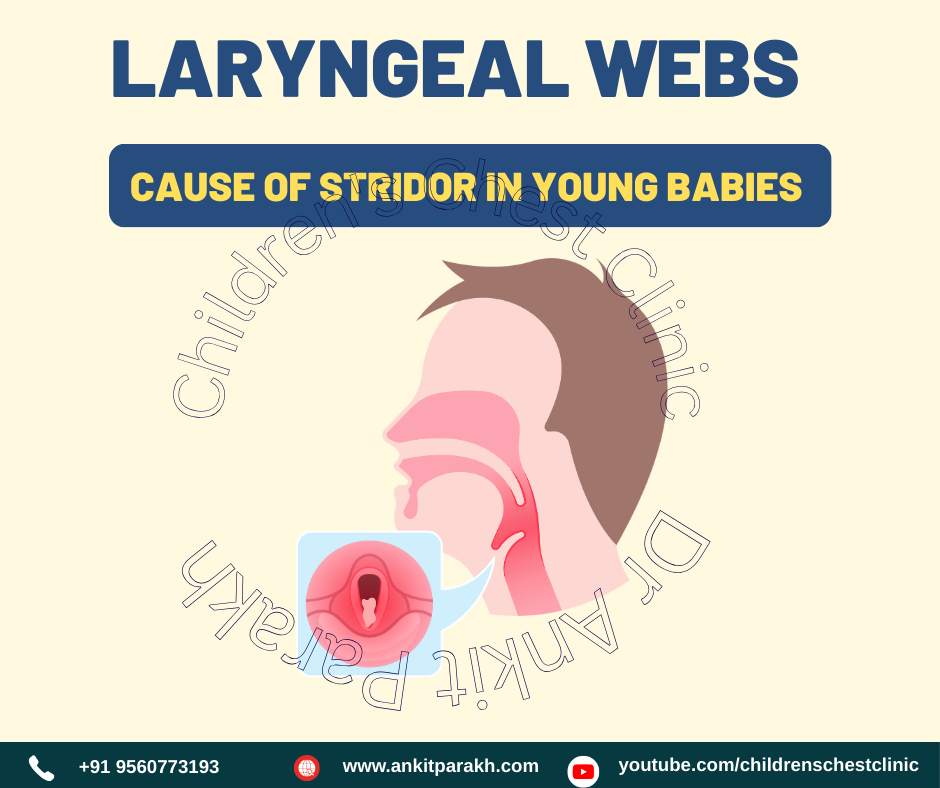
Laryngeal webs are thin membranes of tissue that partially block the airway at the level of the larynx (voice box). They are typically congenital, meaning the baby is born with them, due to incomplete recanalization of the larynx during fetal development.- Mild webs may cause minimal symptoms
- Severe webs can lead to significant airway obstruction
Presenting Symptoms of Laryngeal Webs
Early identification of symptoms is key. The most common clinical feature is stridor, but other signs may also be present.1. Stridor (Primary Symptom)
- High-pitched, noisy breathing sound, usually heard during inspiration
- Present from birth or shortly after
- Persistent and does not improve over time
- May worsen with crying, feeding, or infections
2. Weak or Abnormal Cry
- Feeble, hoarse, or absent cry
- Suggests involvement of the vocal cords
3. Respiratory Distress
- Rapid breathing (tachypnea)
- Chest retractions
- Cyanosis in severe obstruction
4. Feeding Difficulties
- Poor feeding or choking episodes
- May be associated with aspiration
5. Failure to Thrive
- Due to increased work of breathing and feeding issues
When to Suspect Laryngeal Webs?
- Persistent stridor since birth
- Weak or abnormal cry
Investigations: Confirming the Diagnosis
Timely and accurate diagnosis is essential. Clinical suspicion must be followed by targeted airway evaluation.1. Flexible Bronchoscopy (Key Investigation)
Bronchoscopy—specifically flexible bronchoscopy—is the gold standard for diagnosing laryngeal webs.- Direct visualization of the larynx and airway
- Confirms presence of a laryngeal web
- Assesses location, thickness, and extent
- Evaluates degree of airway obstruction
- Helps rule out other causes of stridor
- Minimally invasive and highly informative
2. Additional Investigations
- Imaging (X-ray/CT scan) in complex cases
- Rigid bronchoscopy for detailed evaluation or surgical planning
- Genetic evaluation in selected cases (e.g., 22q11 deletion)
Importance of Early Diagnosis
- Prevents recurrent respiratory distress
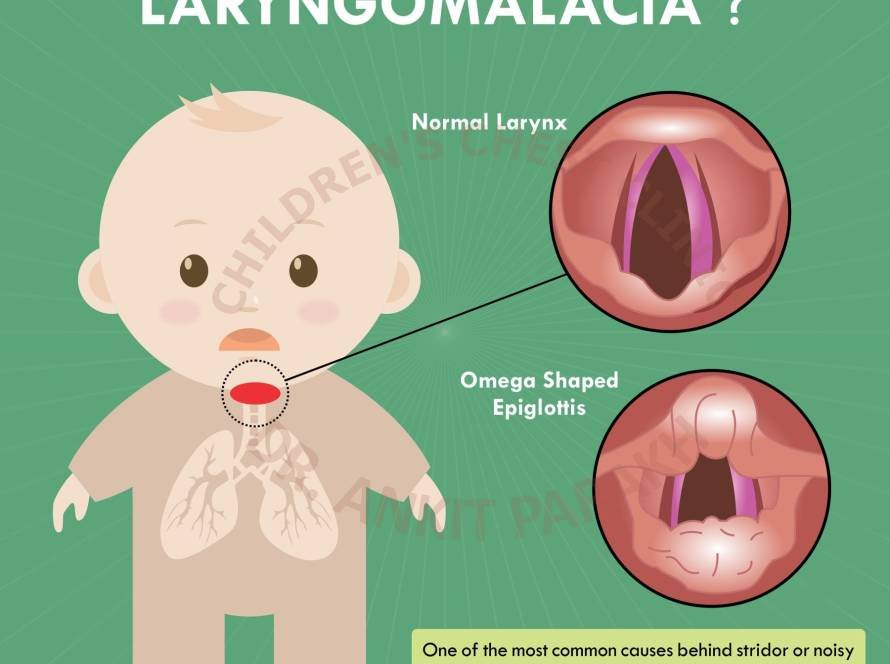
- Avoids misdiagnosis (e.g., asthma, laryngomalacia)
- Reduces complications during infections
Management Overview
- Mild cases: Observation
- Moderate to severe cases: Endoscopic division, laser, or surgical correction
Conclusion
Laryngeal webs are a rare but significant cause of airway obstruction in young infants. Persistent stridor, weak cry, and feeding issues should prompt early evaluation. Bronchoscopy remains the cornerstone of diagnosis, offering direct visualization and guiding further management. Awareness among caregivers and clinicians can lead to early diagnosis and better outcomes.
Frequently Asked Questions (FAQs)
1. What causes laryngeal webs in babies?
Laryngeal webs are usually congenital and occur due to incomplete development of the larynx during early fetal life.
2. Is stridor always due to laryngeal webs?
No. Stridor can result from several conditions, but persistent stridor from birth should raise suspicion for structural causes like laryngeal webs.
3. Is bronchoscopy safe in infants?
Yes, bronchoscopy is generally safe when performed by experienced specialists and is crucial for diagnosis.
4. Can laryngeal webs resolve on their own?
Mild webs may not require intervention but usually do not disappear completely. Moderate to severe cases need treatment.
5. When should I consult a specialist?
- Persistent stridor
- Weak or abnormal cry
- Breathing or feeding difficulties