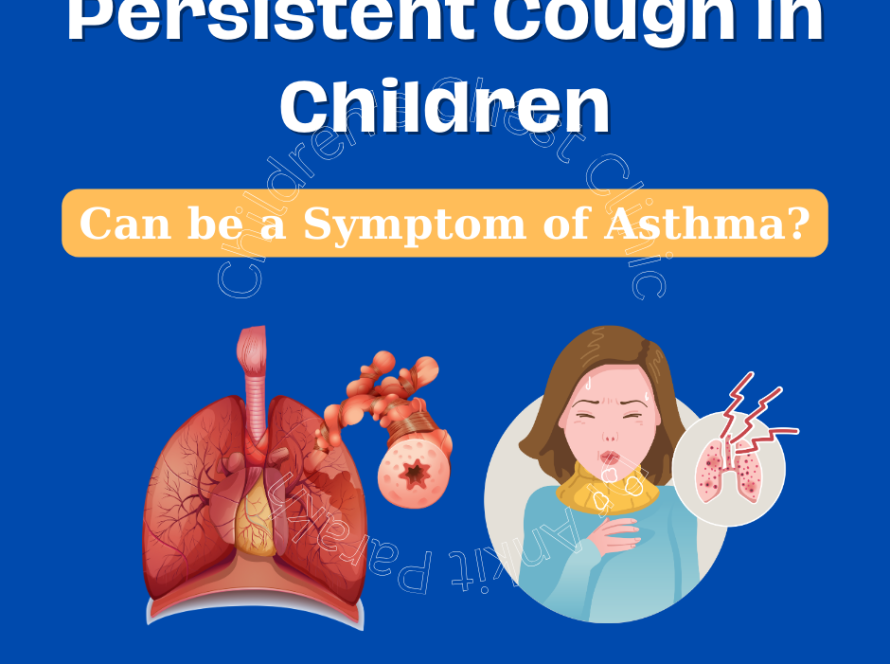

Asthma is one of the most common chronic respiratory conditions affecting children worldwide. In urban environments like Delhi—where pollution, allergens, and seasonal infections are common—Asthma in Children is increasingly being diagnosed at younger ages.
Many parents wonder:
“Is my child’s wheezing normal?”
“Do we really need a specialist?”
“Are inhalers safe for long-term use?”
This article will help you understand when it’s time to visit a pediatric asthma specialist and how early expert care can make a lifelong difference.
Understanding Asthma in Children
Asthma in Children is a chronic inflammatory condition of the airways that leads to:
- Recurrent cough (especially at night)
- Wheezing (whistling sound while breathing)
- Breathlessness
- Chest tightness
- Cough after exercise or laughter
In Delhi’s environment—due to high pollution levels, dust mites, viral infections, and seasonal changes—children with sensitive airways often experience frequent flare-ups. Early diagnosis and structured management significantly improve outcomes.
Why Specialized Pediatric Asthma Clinics Matter
A pediatric pulmonologist does more than prescribe medicines. A structured asthma clinic provides:
- Accurate diagnosis (not all wheezing is asthma)
- Lung function testing (spirometry in older children and oscillometry in young children)
- Inhaler technique training
- Trigger identification (allergens, pollution, pets, exercise) and allergy tests (skin prick tests)
- Personalized asthma action plan
- Prevention of emergency visits and hospital admissions
Specialist care ensures that Asthma in Children is controlled—not just treated symptomatically.
When Should You Visit a Specialist?
Here are clear situations where a pediatric asthma clinic consultation is strongly recommended:
Recurrent Wheezing or Persistent Cough
If your child has:
- More than 3 episodes of wheezing in a year
- Night-time cough more than twice per week
- Cough lasting >3 weeks after viral infections
This needs evaluation beyond routine pediatric care.
Frequent Use of Inhalers
If your child is:
- Using a reliever inhaler (blue inhaler) more than twice a week
- Needing nebulization frequently
- Not improving despite regular inhalers
It may indicate uncontrolled asthma and requires step-up therapy.
Proper Inhalers use, dosage adjustment, and adherence assessment are crucial.
Emergency Room Visits or Hospital Admissions
Any child who has:
- Required oxygen
- Needed injectable steroids
- Been admitted for asthma
Should be under specialist follow-up to prevent future severe attacks.
Exercise Limitation
If your child:
- Avoids sports
- Gets breathless during play
- Cannot run like peers
This is not “low stamina.” It may be uncontrolled Asthma in Children.
Poor Growth or Steroid Concerns
Parents are often worried about steroid use in inhalers. A specialist can:
- Use the lowest effective dose
- Monitor growth properly
- Ensure safe long-term therapy
Modern Inhalers deliver medication directly to lungs with minimal systemic effects.
Why Delhi Children Need Structured Asthma Care
Delhi’s environmental factors increase asthma burden:
- Air pollution (PM2.5), Winter smog, Dust mites, Construction dust and Viral outbreaks
Early specialist involvement reduces:
- School absenteeism, Emergency visits and Long-term lung damage
Benefits of Early Specialist Consultation
Early management of Asthma in Children helps:
- Prevent severe attacks
- Improve lung growth
- Maintain normal activity levels
- Reduce medication burden long-term
- Improve quality of life
Asthma is controllable. A child with asthma can live completely normally with the right care.
Final Message for Parents
If your child has frequent wheezing, persistent cough, or repeated need for nebulizers you need to see a child pulmonologist. Early specialist evaluation ensures that Asthma in Children is controlled properly and safely. Healthy lungs in childhood mean healthier lungs for life.
FAQs About Dental Problems in Children with OSA
How do I know if my child’s cough is asthma?
If cough is recurrent, worse at night, triggered by exercise, cold air, or dust, asthma should be evaluated. A specialist can confirm diagnosis.
Are inhalers addictive?
No. Inhalers are not addictive. They control inflammation and prevent attacks. They are safe when used as prescribed.
Can my child outgrow asthma?
Some children improve with age, but many need monitoring into adolescence. Proper early control improves long-term outcomes.
Is nebulization better than inhalers?
For most children, inhalers with a spacer are equally effective and more convenient. Nebulization is usually reserved for acute episodes.
When should I rush to the hospital?
If your child has:
Severe breathlessness
Difficulty speaking
Chest retractions
Bluish lips
Seek emergency care immediately.