
Sleep—it’s often the first thing we neglect in our busy lives. Whether we’re working long hours, caught up in endless responsibilities, or just scrolling through social media late into the night, sleep frequently takes a backseat. But what if we told you that sleep isn’t just a luxury or a “nice-to-have” part of life? Sleep is crucial, especially for children.
In this blog, we’ll dive into why sleep is incredibly important for humans and why it’s vital for children in particular. By understanding how sleep impacts growth, development, and overall health, we can start prioritizing rest as a necessary part of our daily routines.
Why Sleep Matters: A Biological Perspective
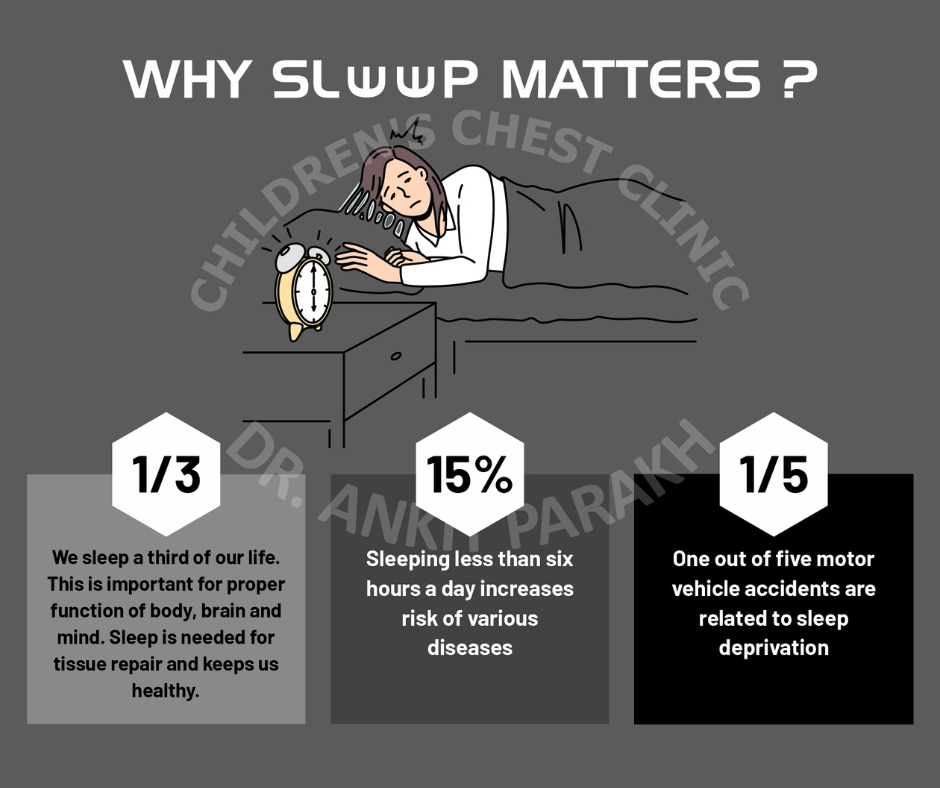
Sleep is a natural and essential process that allows the body to rest and recharge. It’s during sleep that the body and brain get the opportunity to restore themselves and prepare for another active day. The human brain uses sleep to process memories, clear toxins, and even solidify learning and cognitive abilities.
For children, sleep is even more critical because it supports physical growth, brain development, and emotional well-being. Without sufficient sleep, a child’s growth can be stunted, their cognitive development slowed, and their emotional health impacted.
1. Growth and Development
During sleep, especially deep sleep (also known as slow-wave sleep), the body releases growth hormones, which are essential for tissue repair and growth. In children, these hormones support the development of muscles, bones, and organs. The majority of growth occurs during sleep, making it essential for children to get adequate rest to reach their full physical potential.
Additionally, during the deep sleep stages, the body strengthens its immune system. For children, who are still developing immunity to various pathogens, sleep plays a key role in keeping them healthy and protected from illnesses.
2. Cognitive Function and Learning
Sleep is directly linked to memory consolidation and cognitive function. When children sleep, their brains process and store the information they’ve gathered throughout the day. This is why kids who don’t get enough sleep can struggle with attention, memory, and learning. Studies have shown that insufficient sleep can lead to slower learning, difficulty concentrating, and even issues with problem-solving and critical thinking.
For children who are in school, sleep is vital for academic performance. In fact, research has found that children who get a good night’s sleep tend to have better grades, better test performance, and a more positive attitude towards learning.
3. Emotional Regulation and Mental Health
Sleep also plays a key role in emotional regulation. Children who are sleep-deprived tend to be more irritable, anxious, and prone to emotional outbursts. They may also struggle with managing stress and anxiety, which can affect their overall mental well-being.
Adequate sleep helps children process emotions and deal with stress in a healthier way. Sleep deprivation, on the other hand, can increase the risk of developing mood disorders like depression and anxiety.
4. Behavioral Issues and Impulse Control
Children who don’t get enough sleep often exhibit behavioral problems, such as impulsiveness, aggression, and difficulty following instructions. Lack of sleep can affect the part of the brain responsible for decision-making and impulse control. As a result, sleep-deprived children may struggle with school rules, social interactions, and controlling their emotions.
In some cases, chronic sleep deprivation in children has been linked to Attention Deficit Hyperactivity Disorder (ADHD), as the symptoms of sleep deprivation overlap with those of ADHD, including hyperactivity, impulsivity, and inattention.
5. Physical Health and Safety
Beyond the immediate effects on behavior and cognitive function, sleep plays a critical role in overall health and safety. Sleep-deprived children are more likely to be involved in accidents due to impaired coordination, slower reflexes, and decreased focus. Proper sleep helps children stay alert and coordinated, reducing the risk of accidents and injuries.
How Much Sleep Do Children Need?
The amount of sleep a child needs varies based on their age:
Newborns (0-3 months): 14-17 hours of sleep per day
Infants (4-11 months): 12-15 hours of sleep per day
Toddlers (1-2 years): 11-14 hours of sleep per day
Preschoolers (3-5 years): 10-13 hours of sleep per day
School-age children (6-13 years): 9-11 hours of sleep per day
Teenagers (14-17 years): 8-10 hours of sleep per day
It’s important to note that sleep needs are individual, and some children may require slightly more or less sleep than the average recommendations. Signs of sleep deprivation in children include irritability, trouble focusing, frequent naps during the day, and difficulty waking up in the morning.
Conclusion
Sleep is more than just a break from the hustle and bustle of daily life. For children, sleep is a foundational element of physical, cognitive, and emotional development. By prioritizing sleep, we ensure that our children grow healthy, strong, and prepared for the challenges of the day ahead.
As parents, caregivers, and educators, it’s important to model good sleep habits and create environments that encourage restful sleep. The long-term benefits of good sleep hygiene are undeniable, and by investing in better sleep for children today, we set them up for success in all areas of life tomorrow.
Frequently Asked Questions (FAQs)
How do I know if my child is getting enough sleep?
Signs that your child isn’t getting enough sleep include frequent mood swings, difficulty waking up in the morning, trouble focusing in school, and excessive daytime sleepiness. If your child is struggling with these issues, it may be time to assess their sleep routine.
What can I do to help my child sleep better?
Establishing a consistent bedtime routine is key. Try to make the sleep environment calming, reduce screen time before bed, and keep a consistent schedule for both naps and nighttime sleep. Avoid caffeine and sugar in the hours leading up to bedtime, as they can disrupt sleep.
How can sleep affect my child’s school performance?
Sleep directly impacts your child’s ability to focus, retain information, and perform academically. Children who get adequate sleep are more likely to excel in school, while those who are sleep-deprived may struggle with memory, learning, and concentration.
Can too much sleep be harmful to children?
While it’s rare, oversleeping can indicate an underlying health issue. Generally, children need the recommended amount of sleep for their age, and consistently sleeping much more or less than this can impact their mood, behavior, and overall well-being.
How do sleep and emotional health relate?
Lack of sleep can contribute to emotional instability, leading to irritability, mood swings, and anxiety. It’s especially important for children, who are still learning how to manage emotions, to get enough rest for emotional regulation and mental health.