On this page 7 sections
Chronic Granulomatous Disease (CGD) is a rare and complex genetic disorder that affects the immune system, making it difficult for the body to fight off certain bacterial and fungal infections. This condition can have a significant impact on children’s health, particularly when it comes to lung problems in children. In this blog, we’ll dive into the clinical presentation and diagnosis of CGD, focusing on how it affects children’s respiratory health.
What is Chronic Granulomatous Disease (CGD)?
Chronic Granulomatous Disease (CGD) is an inherited disorder caused by mutations in the genes that encode for the components of the phagocyte oxidase complex, which is essential for fighting off infections. This condition leads to the dysfunction of immune cells called neutrophils, which are responsible for engulfing and killing harmful microorganisms. Without this important defense mechanism, children with CGD are at a higher risk of developing serious infections.
How CGD Affects the Lungs in Children
The lung problems in children caused by CGD are often severe and chronic. The most common lung complications associated with CGD include:
-
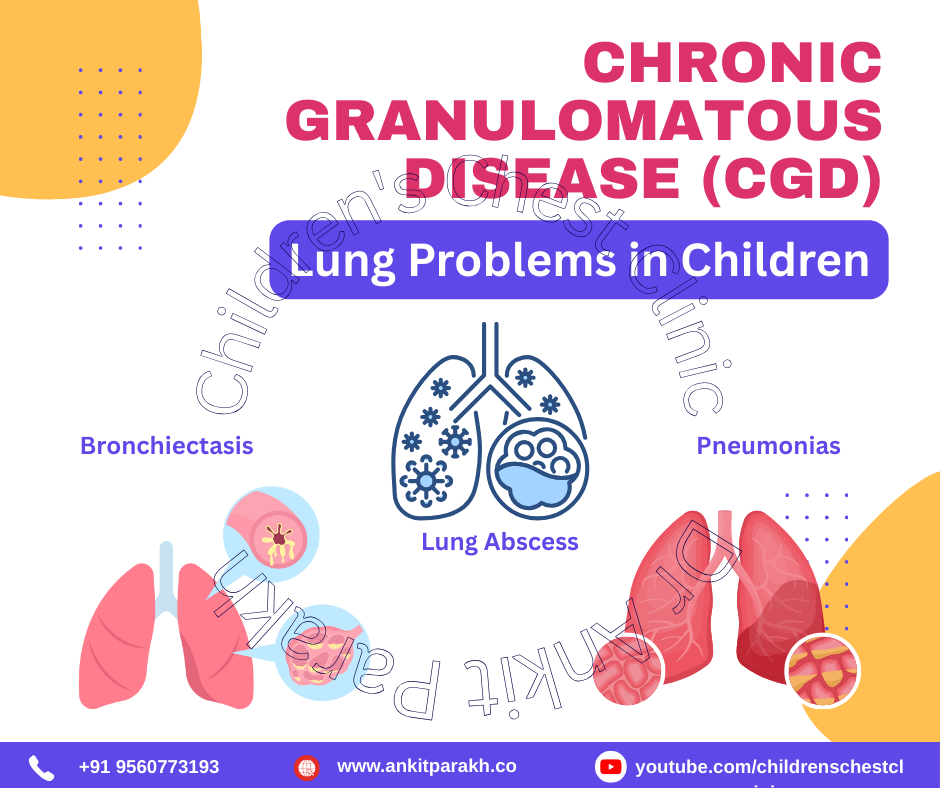
Recurrent Pneumonias: Children with CGD are more prone to recurrent lung infections caused by bacteria and fungi, particularly Aspergillus and Nocardia species. These infections can lead to chronic lung damage if left untreated.
-
Granulomas: The immune system’s attempt to fight infections in CGD often results in the formation of granulomas—clusters of immune cells that accumulate in tissues such as the lungs. Granulomas can obstruct airways, leading to difficulty breathing and long-term pulmonary damage.
-
Chronic Cough and Wheezing: Persistent coughing and wheezing are common symptoms in children with CGD. These symptoms can sometimes mimic asthma, making it crucial for healthcare providers to carefully consider CGD when diagnosing respiratory issues.
-
Bronchiectasis: Over time, CGD can lead to bronchiectasis, a condition in which the airways become permanently dilated and damaged due to recurrent infection and inflammation. This can cause further respiratory complications and increase the likelihood of lung infections.
Clinical Presentation of CGD in Children
The clinical presentation of Chronic Granulomatous Disease (CGD) varies depending on the severity of the condition and the infections involved. Early symptoms in infants and young children may include:
-
Recurrent fevers
-
Chronic skin abscesses or infections
-
Delayed wound healing
-
Frequent respiratory infections like pneumonia
-
Lymphadenopathy (swollen lymph nodes)
In addition to lung problems in children, CGD can also affect other organs, including the liver, spleen, and gastrointestinal system. However, lung involvement is one of the most prominent and concerning aspects of the disease.
Diagnosis of Chronic Granulomatous Disease in Children
Diagnosing Chronic Granulomatous Disease (CGD) in children can be challenging due to its similarity to other immune disorders and infections. However, several diagnostic tests can help confirm the condition:
-
Neutrophil Function Test (Nitroblue Tetrazolium Test): This test measures the ability of neutrophils to produce reactive oxygen species, which are essential for killing bacteria. In CGD, neutrophils fail to perform this function.
-
Flow Cytometry: This is one of the most commonly used tests to detect CGD. It involves evaluating the activity of the phagocyte oxidase complex in neutrophils.
-
Genetic Testing: DNA testing can identify mutations in the genes responsible for CGD, providing a definitive diagnosis. This is especially useful when there is a family history of the disease.
-
Imaging Studies: Chest X-rays or CT scans may be performed to evaluate lung damage, granulomas, and signs of pneumonia or bronchiectasis in children with CGD.
-
Microbiological Cultures: In cases of lung infections, sputum or blood cultures are essential for identifying the bacterial or fungal pathogens responsible for the infections.
Treatment Options for Lung Problems in Children with CGD
While CGD is a chronic condition that cannot be cured, there are various treatments available to manage lung problems in children and prevent complications. These include:
-
Antibiotic and Antifungal Therapy: Since children with CGD are highly susceptible to infections, long-term antibiotic or antifungal treatment may be required to prevent and treat infections in the lungs.
-
Steroids: In cases where inflammation and granulomas are causing lung damage, corticosteroids may be prescribed to reduce swelling and improve lung function.
-
Bone Marrow Transplantation: In severe cases, a bone marrow transplant may be considered to replace defective immune cells with healthy ones, potentially improving immune function.
-
Gene Therapy: Research into gene therapy for CGD is ongoing, and promising results are emerging. This could provide a potential future cure for CGD and its associated lung problems.
Conclusion
Chronic Granulomatous Disease (CGD) can lead to significant lung problems in children, including recurrent infections and long-term pulmonary damage. Early diagnosis is crucial to managing the disease and preventing complications, especially those affecting the lungs. If you suspect your child may be showing signs of CGD, it’s essential to consult a healthcare provider for a thorough evaluation and appropriate testing.
Frequently Asked Questions (FAQs)
Frequently Asked Questions
What are the main lung problems associated with CGD in children?
The primary lung problems in children with CGD include recurrent pneumonia, chronic cough, granulomas, shortness of breath, and bronchiectasis.
How is Chronic Granulomatous Disease diagnosed in children?
CGD is diagnosed through neutrophil function tests, genetic testing, flow cytometry, and microbiological cultures. Chest imaging may also help assess lung damage.
Can CGD be cured?
Currently, CGD cannot be cured, but it can be managed with antibiotics, antifungals, corticosteroids, and in severe cases, bone marrow transplants or gene therapy.
What are the symptoms of lung involvement in CGD?
Common symptoms of lung involvement include chronic cough, wheezing, difficulty breathing, recurrent respiratory infections, and persistent shortness of breath.
Is CGD hereditary?
Yes, CGD is an inherited genetic disorder, most commonly passed down in an X-linked recessive manner, meaning it affects boys more frequently than girls.
Related conditions & services
Medical Advice & Clinical Disclaimer
The educational medical guidance provided in this guide is for informational purposes only. It should not be used as a substitute for direct pediatric consultation, physical diagnosis, or clinical prescription. For individualized medical assessment of your child, schedule an appointment with Dr. Ankit Parakh.

![Childhood Interstitial Lung Diseases [chILD]](https://ankitparakh.com/wp-content/uploads/2023/07/INTERSTITIAL-LUNG-DISEASES-WEB-768x768.jpg)