
Introduction: The Connection Between Allergies and Sleep in Children
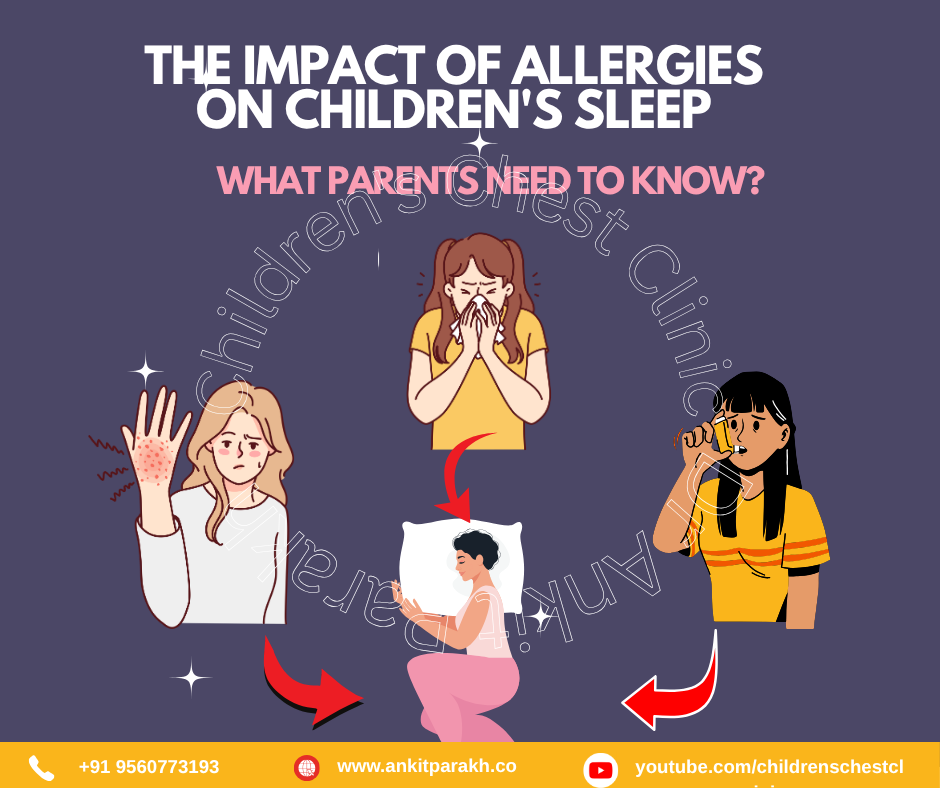
Many parents notice that their child sleeps poorly during allergy season or frequently wakes up with a blocked nose, coughing, or restlessness. Allergies can significantly affect a child’s sleep quality, leading to daytime tiredness, irritability, poor concentration, and even behavioral issues.
Children with untreated allergies often struggle to get restful sleep because allergy symptoms tend to worsen at night. Understanding how allergies interfere with sleep can help parents identify symptoms early and seek appropriate treatment.
What Are Allergies?
Allergies occur when the immune system overreacts to harmless substances called allergens. Common allergens in children include:
- Dust mites
- Pollen
- Pet dander
- Mold
- Cockroach allergens
When exposed to these triggers, children may develop inflammation in the nose, airways, or skin, resulting in symptoms that can disrupt sleep.
How Allergies Affect Sleep in Children
1. Nasal Congestion and Blocked Nose
One of the most common ways allergies affect Sleep is through nasal congestion. Allergic inflammation causes swelling inside the nose, making breathing difficult during sleep.
Children with nasal allergies may:
- Snore loudly
- Breathe through the mouth
- Wake up frequently at night
- Experience restless sleep
Poor nighttime breathing reduces sleep quality and may leave children tired during the day.
2. Persistent Coughing at Night
Children with allergies often develop postnasal drip, where mucus drips down the throat and triggers coughing. This cough usually becomes worse at night when lying down.
Frequent coughing interrupts sleep cycles and prevents deep, restorative sleep.
3. Allergies and Sleep-Disordered Breathing
Untreated allergies can contribute to enlarged adenoids and airway inflammation, increasing the risk of:
- Snoring
- Obstructive sleep apnea
- Poor oxygenation during sleep
Sleep-disordered breathing can affect growth, learning, and behavior in children.
4. Itching and Skin Allergies
Children with eczema or skin allergies may experience intense itching at night. Constant scratching can make it difficult to fall asleep and stay asleep.
Interrupted sleep due to itching may lead to:
- Mood changes
- Poor school performance
- Daytime fatigue
Signs Your Child’s Sleep Problems May Be Due to Allergies
Parents should watch for symptoms such as:
- Frequent nighttime waking
- Chronic snoring
- Mouth breathing during sleep
- Morning headaches
- Daytime sleepiness
- Difficulty concentrating in school
If these symptoms occur regularly, allergies may be contributing to poor sleep quality.
Common Allergy Triggers in the Bedroom
The bedroom is often a major source of allergens that impact sleep.
Dust Mites
Dust mites thrive in mattresses, pillows, carpets, and stuffed toys.
Pet Dander
Pets sleeping in the bedroom may worsen allergies and disrupt sleep.
Mold
Damp environments encourage mold growth, which can trigger allergy symptoms.
Reducing exposure to these allergens can improve sleep significantly.
How to Improve Sleep in Children with Allergies
1. Control Environmental Allergens
- Use dust mite-proof mattress and pillow covers
- Wash bedding weekly in hot water
- Remove carpets and heavy curtains if possible
- Keep pets out of the bedroom
2. Maintain Good Air Quality
Using air purifiers and ensuring proper ventilation can reduce indoor allergens.
3. Allergy Medications
Your child’s doctor may recommend:
- Antihistamines
- Nasal steroid sprays
- Saline nasal rinses
Proper allergy treatment often leads to improved sleep quality.
4. Treat Associated Asthma
Many children with allergies also have asthma. Poorly controlled asthma can worsen nighttime coughing and disturb sleep.
Allergies, Sleep, and School Performance
Poor sleep caused by allergies can affect:
- Memory
- Attention span
- Academic performance
- Emotional regulation
Children who do not get adequate sleep may appear hyperactive, irritable, or inattentive during the day.
When to See a Child Pulmonologist or Allergy Specialist
Consult a specialist if your child has:
- Persistent snoring
- Frequent nighttime coughing
- Poor sleep despite home measures
- Breathing difficulty during sleep
- Recurrent allergy symptoms
Early treatment can greatly improve both allergies and sleep quality.
Conclusion
Allergies can have a major impact on a child’s sleep, affecting their health, mood, behavior, and academic performance. Symptoms like nasal congestion, coughing, and itching may prevent children from getting the restful sleep they need for healthy growth and development. Recognizing the connection between allergies and sleep is the first step toward effective treatment. With proper allergy management, environmental control, and medical guidance from specialists, children can sleep better, breathe easier, and enjoy a healthier quality of life.
Frequently Asked Questions (FAQs)
Can allergies really affect my child’s sleep?
Yes. Allergies can cause nasal blockage, coughing, itching, and breathing difficulties that interfere with restful sleep.
Why do allergy symptoms worsen at night?
Exposure to bedroom allergens like dust mites and lying down can worsen nasal congestion and coughing.
Can poor sleep from allergies affect school performance?
Yes. Poor sleep may lead to tiredness, poor concentration, irritability, and reduced academic performance.
Do allergy medications help improve sleep?
Proper allergy treatment often improves sleep by reducing congestion, coughing, and inflammation.
When should I seek medical help for my child’s allergies?
You should consult a doctor if symptoms are frequent, severe, or affecting your child’s sleep and daily activities.