Introduction: Why Influenza or Flu Matters in Children?
Influenza or Flu is a common viral respiratory illness that affects children every year, especially during seasonal outbreaks. While many cases are mild, influenza or flu can sometimes lead to serious complications such as pneumonia, hospitalization, and even life-threatening illness in young children. This makes prevention a key priority for parents and healthcare providers.
One of the most effective ways to protect children against influenza or flu is through timely vaccination. Understanding how flu vaccines work and why they are important can help parents make informed decisions for their child’s health.
What is Influenza or Flu?
Influenza or flu is caused by influenza viruses that infect the nose, throat, and lungs. It spreads easily through droplets when an infected person coughs, sneezes, or talks.
Common Symptoms of Influenza or Flu in Children:
- High fever
- Cough and sore throat
- Runny or blocked nose
- Body aches and fatigue
- Vomiting or diarrhea (more common in children)
Children, especially those under five years of age, are at higher risk of complications from influenza or flu.
Why Are Flu Vaccines Important for Children?
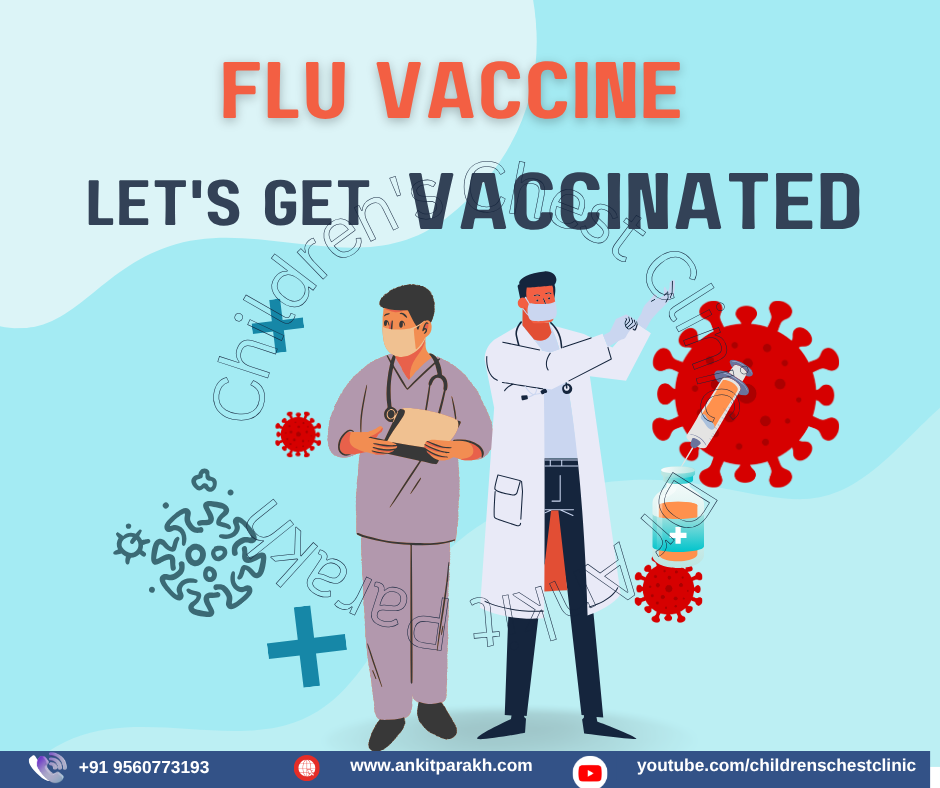
Vaccines play a crucial role in preventing influenza or flu and reducing its severity. Annual flu vaccination is recommended for all children above 6 months of age.
Benefits of Flu Vaccines:
- Reduce the risk of influenza or flu infection
- Decrease severity of illness if infected
- Lower chances of hospitalization
- Protect vulnerable family members (herd immunity)
Vaccination is particularly important for children with asthma, chronic lung disease, or weakened immunity.
Types of Influenza or Flu Vaccines
There are different types of influenza or flu vaccines available for children:
1. Inactivated Influenza Vaccine (IIV)
- Given as an injection
- Suitable for children above 6 months
2. Live Attenuated Influenza Vaccine (LAIV)
- Given as a nasal spray
- Suitable for older children (as per guidelines)
When Should Children Get Flu Vaccines?
Flu vaccines should ideally be given before the start of the flu season. In India, this is usually before the monsoon or winter season, depending on regional patterns.
Children receiving the influenza or flu vaccine for the first time (between 6 months to 8 years) may require two doses spaced at least 4 weeks apart.
Are Flu Vaccines Safe for Children?
Yes, influenza or flu vaccines are safe and well-studied. They have been used for decades worldwide.
Common Side Effects:
- Mild fever
- Pain at injection site
- Fatigue
These side effects are usually short-lived and far less severe than influenza or flu itself.
Influenza or Flu Vaccination in Children with Asthma
Children with asthma are at higher risk of severe complications from influenza or flu. Vaccination is strongly recommended for them.
Flu infection can worsen asthma symptoms, leading to increased wheezing, hospital visits, and need for medications. Annual vaccines help reduce these risks significantly.
Myths and Facts About Flu Vaccines
Myth: Flu vaccines can cause flu
Fact: Flu vaccines do not cause influenza or flu. They may cause mild symptoms, but not the illness itself.
Myth: Healthy children don’t need vaccines
Fact: Even healthy children can develop severe influenza or flu and spread it to others.
Tips for Parents: Maximizing Protection
- Ensure your child receives annual influenza or flu vaccines
- Encourage good hand hygiene
- Avoid exposure to sick individuals
- Maintain a healthy lifestyle to boost immunity
Conclusion
Influenza or Flu remains a significant health concern for children, but it is largely preventable with timely vaccination. Flu vaccines are safe, effective, and essential in reducing the burden of illness and complications. Ensuring annual influenza or flu vaccination is an important step in safeguarding their child’s respiratory health.
Frequently Asked Questions (FAQs)
Frequently Asked Questions
At what age can children receive influenza or flu vaccines?
Children can receive flu vaccines starting from 6 months of age.
How often should my child get vaccinated?
Influenza or flu vaccines are recommended annually.
Can my child get vaccinated if they have a cold?
Yes, mild illness is not a contraindication. Consult your doctor if symptoms are severe.
Are flu vaccines necessary every year?
Yes, because influenza viruses change frequently, requiring updated vaccines each year.
Do flu vaccines completely prevent influenza or flu?
They may not prevent all infections but significantly reduce severity and complications.
Related conditions & services
Medical Advice & Clinical Disclaimer
The educational medical guidance provided in this guide is for informational purposes only. It should not be used as a substitute for direct pediatric consultation, physical diagnosis, or clinical prescription. For individualized medical assessment of your child, schedule an appointment with Dr. Ankit Parakh.