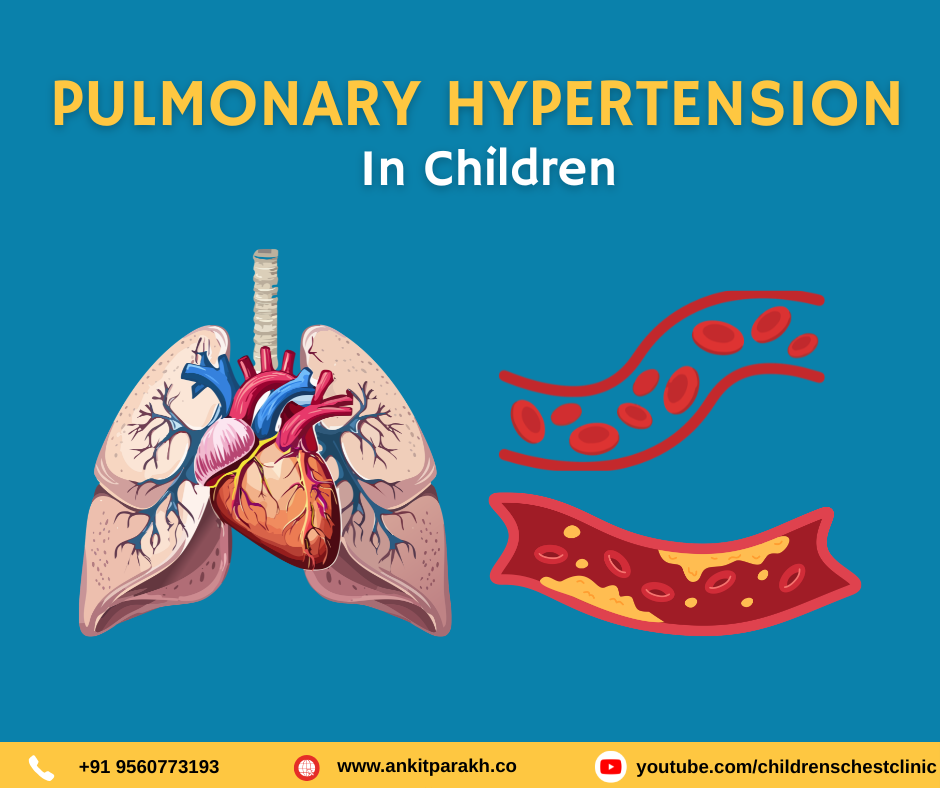
Pulmonary Hypertension in Children: Symptoms, Diagnosis, Treatment & Expert Care!!
Introduction
Pulmonary Hypertension is a serious and often under-recognized condition in children that affects the blood vessels in the lungs. It leads to increased pressure in the pulmonary arteries, making it harder for the heart to pump blood through the lungs.
Early recognition of Pulmonary Hypertension is crucial, as timely diagnosis and expert care can significantly improve outcomes and quality of life for affected children.
What is Pulmonary Hypertension?
Pulmonary Hypertension refers to elevated blood pressure within the arteries of the lungs. In children, it may occur as a primary condition or develop secondary to other medical issues such as congenital heart disease, chronic lung disorders, or complications of premature birth.
If left untreated, Pulmonary Hypertension can strain the heart and lead to serious complications.
Symptoms of Pulmonary Hypertension in Children
The symptoms of Pulmonary Hypertension can vary depending on the severity and underlying cause. In many cases, early signs may be subtle and easily overlooked.
Common Symptoms Include:
- Shortness of breath, especially during activity
- Fatigue or low energy levels
- Rapid breathing
- Poor weight gain or feeding difficulties in infants
- Bluish discoloration of lips or skin (cyanosis)
- Fainting episodes (syncope) in older children
- Swelling in the legs or abdomen (in advanced cases)
Parents should seek medical attention if these symptoms persist or worsen.
Causes of Pulmonary Hypertension in Children
Several conditions can lead to Pulmonary Hypertension, including:
1. Congenital Heart Disease
Structural heart defects can increase blood flow to the lungs, raising pressure in pulmonary arteries.
2. Chronic Lung Diseases
Conditions such as bronchopulmonary dysplasia or interstitial lung disease can contribute to pulmonary vessel changes.
3. Obstructive Sleep Apnea
Children with untreated obstructive sleep apnea can develop pulmonary hypertension.
4. Prematurity
Premature babies are at higher risk due to underdeveloped lungs.
5. Genetic Factors
Some cases are linked to inherited conditions affecting blood vessels.
6. Idiopathic Causes
In some children, the exact cause remains unknown.
How is Pulmonary Hypertension Diagnosed?
Early and accurate diagnosis of Pulmonary Hypertension is essential for effective management.
Key Diagnostic Methods:
1. Clinical Evaluation
A detailed medical history and physical examination help identify warning signs.
2. Echocardiography
This is a primary non-invasive test that estimates pulmonary artery pressure and evaluates heart function.
3. Chest X-ray and Contrast CT Chest
Provides information about lung structure and vessels in great detail.
4. Polysomnography or Sleep Study
Sleep study is very useful to detect sleep apnea in children as a cause of pulmonary hypertension.
5. Cardiac Catheterization
Considered the gold standard for confirming Pulmonary Hypertension and measuring pressures directly.
Treatment of Pulmonary Hypertension in Children
Management of Pulmonary Hypertension depends on its cause, severity, and the child’s overall health.
1. Medications
- Vasodilators to relax pulmonary arteries
- Endothelin receptor antagonists to reduce vessel constriction
- Phosphodiesterase inhibitors to improve blood flow
- Diuretics to manage fluid buildup
- Anticoagulants in selected cases
2. Oxygen Therapy
Supplemental oxygen helps reduce pressure in pulmonary arteries and improves symptoms.
3. Treating Underlying Conditions
Managing heart defects or lung diseases is critical for controlling Pulmonary Hypertension.
4. Advanced Therapies
In severe cases, options may include:
- Continuous IV medications
- Surgical interventions
- Lung or heart-lung transplantation (rare cases)
Role of a Child Pulmonologist
A child pulmonologist plays a vital role in the comprehensive care of children with Pulmonary Hypertension.
Key Responsibilities Include:
- Early detection and diagnosis especially related to lung causes of pulmonary hypertension
- Coordinating multidisciplinary care with cardiologists and neonatologists
- Designing individualized treatment plans
- Monitoring disease progression and response to therapy
- Managing respiratory complications
- Supporting families with long-term care guidance
Regular follow-up with a specialist ensures optimal disease control and improved outcomes.
Long-Term Outlook
The prognosis of Pulmonary Hypertension in children has improved significantly due to advances in medical care. Many children can lead active lives with proper treatment, although ongoing monitoring is essential.
When Should Parents Seek Medical Advice?
Consult a specialist if your child shows:
- Persistent breathlessness
- Poor growth or feeding issues
- Unexplained fatigue
- Fainting episodes
Early evaluation can make a critical difference.
Conclusion
Pulmonary Hypertension in children is a complex condition that requires early recognition and specialized care. With the right treatment approach and expert guidance from a child pulmonologist and cardiologist, children with this condition can achieve better health outcomes and improved quality of life.
Frequently Asked Questions (FAQs)
Frequently Asked Questions
1. Is Pulmonary Hypertension curable in children?
In some cases, especially when caused by treatable conditions, it can improve significantly. However, many children require long-term management.
2. How serious is Pulmonary Hypertension in children?
It can be life-threatening if untreated, but early diagnosis and treatment greatly improve outcomes.
3. Can Pulmonary Hypertension be detected early?
Yes, with timely screening and awareness of symptoms, early detection is possible.
4. Does Pulmonary Hypertension affect daily activities?
Depending on severity, some children may have activity limitations, but many can lead relatively normal lives with treatment.
5. Which doctor should I consult for Pulmonary Hypertension in children?
A child pulmonologist, often in coordination with a pediatric cardiologist, is best suited for diagnosis and management.
Related conditions & services
Medical Advice & Clinical Disclaimer
The educational medical guidance provided in this guide is for informational purposes only. It should not be used as a substitute for direct pediatric consultation, physical diagnosis, or clinical prescription. For individualized medical assessment of your child, schedule an appointment with Dr. Ankit Parakh.

![Childhood Interstitial Lung Diseases [chILD]](https://ankitparakh.com/wp-content/uploads/2023/07/INTERSTITIAL-LUNG-DISEASES-WEB-768x768.jpg)