
Obstructive Sleep Apnea (OSA) is increasingly being recognized as a significant problem in children. One of the lesser-known consequences of Obstructive Sleep Apnea (OSA) in children is its impact on oral health. Dental problems in children with Obstructive Sleep Apnea (OSA) can lead to long-term complications if left untreated.
In this blog post, we will explore the connection between Obstructive Sleep Apnea (OSA) and dental health, the specific dental problems children with Obstructive Sleep Apnea (OSA) often face, and how to address these issues effectively. Understanding the relationship between Obstructive Sleep Apnea (OSA) and dental health can be the first step in ensuring your child’s overall well-being.
What is Obstructive Sleep Apnea (OSA)?
Obstructive Sleep Apnea (OSA) is a sleep disorder that occurs when the muscles in the back of the throat relax excessively, causing a temporary obstruction of the airway. This leads to frequent pauses in breathing during sleep, resulting in fragmented and poor-quality rest. For children, Obstructive Sleep Apnea (OSA) often manifests as loud snoring, restless sleep, frequent waking during the night, and even gasping or choking sounds. While these symptoms might seem harmless or typical of childhood, untreated OSA can lead to numerous health problems, including dental issues.
How Does Obstructive Sleep Apnea (OSA) Impact Dental Health?
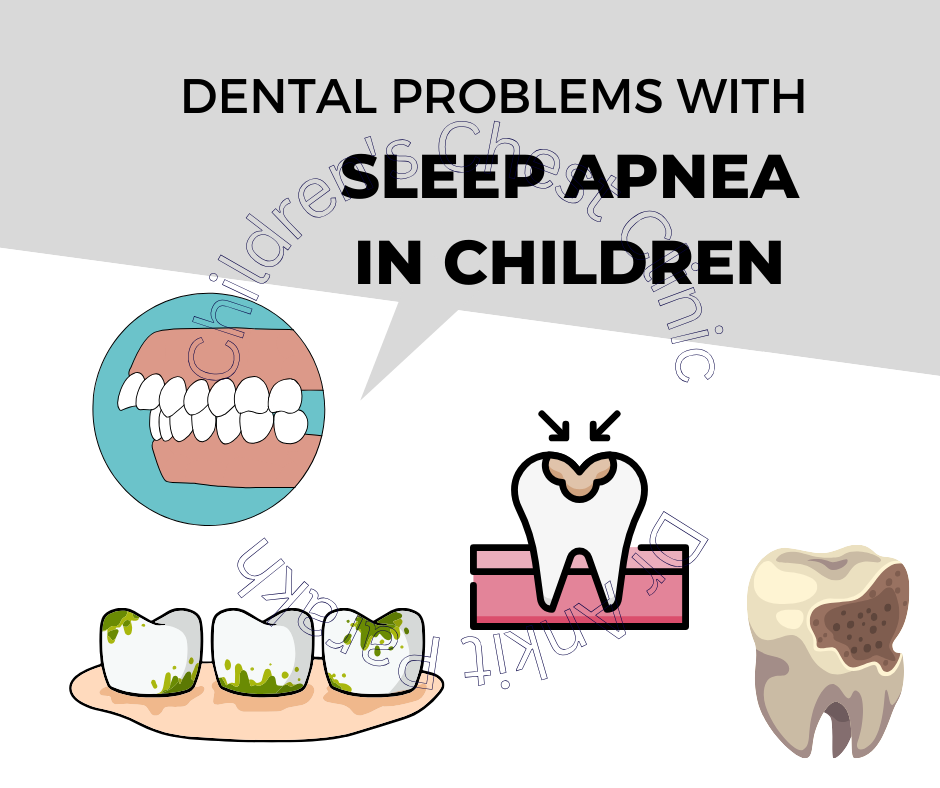
Children with Obstructive Sleep Apnea (OSA) experience disrupted breathing patterns that can alter the structure and function of their mouth and teeth. Here are some common dental problems that are more prevalent in children suffering from Obstructive Sleep Apnea (OSA):
1. Mouth Breathing and Dry Mouth
One of the most significant issues that children with OSA face is mouth breathing. Because their airway becomes partially blocked during sleep, children may resort to breathing through their mouth, especially at night. Mouth breathing dries out the mouth and reduces the production of saliva, which is essential for neutralizing acids and preventing tooth decay. A dry mouth can lead to:
- Increased risk of cavities and tooth decay
- Bad breath (halitosis)
- Gum inflammation
- Higher risk of plaque buildup
2. Malocclusion (Crooked Teeth)
Children with OSA are more likely to develop malocclusion, which refers to misalignment of the teeth or jaws. The constant open-mouth posture required to breathe through the mouth can interfere with normal dental development. As the child’s teeth grow, they may come in crooked, leading to bite issues. Malocclusion can lead to:
- Difficulty chewing or speaking
- Increased wear on teeth
- Greater risk for tooth decay and gum disease
3. Enlarged Tonsils and Adenoids
OSA in children is often associated with enlarged tonsils and adenoids, which can block the airway. These enlarged tissues can contribute to abnormal jaw development, potentially leading to a “long face” appearance, high-arched palates, and crowded teeth. This can exacerbate dental problems and may require orthodontic intervention as the child grows.
4. Teeth Grinding (Bruxism)
Many children with OSA also exhibit teeth grinding, also known as bruxism, during sleep. This is often a response to airway obstruction during the night. The grinding of teeth can cause:
- Worn-down enamel
- Tooth sensitivity
- Cracked or broken teeth
- Temporomandibular joint (TMJ) pain
Addressing Dental Problems in Children with OSA
The good news is that many dental problems related to OSA can be treated effectively with early intervention. Here are some steps parents can take to help address these concerns:
1. Seek an OSA Diagnosis
If you notice your child displaying signs of OSA, such as snoring, gasping for air at night, or excessive daytime sleepiness, it’s essential to consult with a pediatric sleep specialist. A proper diagnosis is necessary to address the root cause of your child’s sleep apnea and prevent long-term complications.
2. Consult a Pediatric Dentist
If your child has been diagnosed with OSA, consulting with a pediatric dentist is crucial. A dentist who specializes in sleep-related dental problems can provide early assessments of potential issues, such as malocclusion or signs of tooth grinding. Regular dental checkups are essential for monitoring oral health and catching problems early.
3. Consider Oral Appliances
For children with mild OSA, an oral appliance (also called a mandibular advancement device) may be recommended. These devices help reposition the jaw to keep the airway open during sleep, improving breathing and reducing the likelihood of mouth breathing and teeth grinding.
4. Address Mouth Breathing
If mouth breathing is a significant issue for your child, it’s important to work with both your pediatric sleep specialist and dentist to find solutions. In some cases, nasal decongestants, allergy treatments, or even adenoid or tonsil removal may be recommended to alleviate the obstruction and encourage proper nasal breathing.
5. Orthodontic Intervention
If OSA leads to malocclusion or significant dental misalignment, orthodontic treatment may be required. Early orthodontic intervention can help align the teeth and jaw, reducing the risk of future dental complications. A dentist or orthodontist with experience in treating OSA-related issues can help guide this process.
Conclusion
Obstructive Sleep Apnea (OSA) is not just a sleep disorder—it can have far-reaching effects on your child’s dental health. If left untreated, OSA can lead to mouth breathing, malocclusion, teeth grinding, and other dental problems. However, with early diagnosis, appropriate treatment, and regular dental care, many of these issues can be prevented or mitigated.
If you suspect your child may have OSA or are concerned about their dental health, don’t hesitate to consult with a sleep specialist and pediatric dentist.
FAQs About Dental Problems in Children with OSA
Can Obstructive Sleep Apnea (OSA) cause permanent dental damage in children?
If left untreated, OSA-related dental problems such as tooth grinding, malocclusion, and dry mouth can lead to long-term damage. However, with early intervention, many of these issues can be managed or even reversed.
How can I tell if my child has Obstructive Sleep Apnea (OSA)?
Signs of OSA in children include loud snoring, frequent waking at night, gasping or choking sounds during sleep, excessive daytime sleepiness, and difficulty focusing during the day. If you notice these symptoms, consult with a healthcare provider for proper diagnosis and treatment.
Is mouth breathing always a sign of OSA in children?
Not necessarily. While mouth breathing can be a sign of OSA, it can also be caused by other factors like allergies, nasal congestion, or chronic respiratory issues. A full evaluation by a pediatric pulmonologist or sleep specialist is needed to determine the cause.
How can I prevent my child from developing dental problems due to OSA?
The best approach is to ensure that OSA is diagnosed and treated early. Regular dental checkups and addressing mouth breathing or teeth grinding can also help minimize dental problems.
Will my child need braces if they have OSA?
While not all children with OSA will require braces, many may need orthodontic treatment to correct issues like malocclusion or jaw misalignment caused by chronic mouth breathing. Early evaluation by an orthodontist can help determine the best course of action.