
Cystic fibrosis is a progressive genetic or inherited condition which is now more and more diagnosed in developing countries like Indian and other South-Asian countries. Cystic Fibrosis usually affects the exocrine glands of the human body. The exocrine glands produce secretions such as mucus, sweat, tears and digestive juices. The secretions are normally thin and slippery; they are essential for normal functioning of the body. In children with cystic fibrosis the mucus is thick and sticky, which creates problems with normal body functioning.

What is the genetic problem in Cystic Fibrosis?
Humans have a gene called as cystic fibrosis transmembrane conductance regulator or CFTR gene on the chromosome 7. The CFTR gene is responsible for making a protein called the cystic fibrosis transmembrane conductance regulator protein. This protein functions as a channel across the membrane of cells that produce mucus, sweat, saliva, tears, and digestive enzymes.
In children with cystic fibrosis there is a defect or mutation in the CFTR gene. When the protein is dysfunctional the movement of the chloride ions into and out the cells is impaired. The chloride ions are required for the movement of water in tissues. In children with cystic fibrosis without the chloride ions and water the mucus in various organs becomes thick and sticky.
What happens to the lungs in Cystic Fibrosis?
In children with cystic fibrosis, the thick and sticky mucus plug-up the small airways of the lungs and traps germs, like bacteria, leading to repeated infections. These repeated infections in children with cystic fibrosis leads to inflamed and dilated airways, a condition called as bronchiectasis. This progresses over time and lead to chronic lung damage, respiratory failure, and other complications.
Children with cystic fibrosis have a chronic wet or a productive cough which does not go with usual medicines, recurrent episodes of chest infection, chest congestion and pneumonias.
What happens to the digestive system in children with Cystic Fibrosis?
In children with cystic fibrosis, the thick and sticky mucus blocks the small ducts in the pancreas thus preventing the pancreatic enzymes from reaching the small intestines. This would lead to incomplete digestion of food and poor absorption of nutrients. Hence these children would have large, bulky and frothy stools. In addition children with cystic fibrosis have a poor weight gain.
What other organs are affected in children with Cystic Fibrosis?
The other parts of the body affected by cystic fibrosis are the sweat glands, digestive system and reproductive system. In children with cystic fibrosis, excessive salt is lost in the sweat, leading to problems of dehydration especially in hot weather. In patients with cystic fibrosis there can be involvement of the reproductive system leading to fertility problems.
Related conditions & services
Medical Advice & Clinical Disclaimer
The educational medical guidance provided in this guide is for informational purposes only. It should not be used as a substitute for direct pediatric consultation, physical diagnosis, or clinical prescription. For individualized medical assessment of your child, schedule an appointment with Dr. Ankit Parakh.

Related articles
 Jun 20, 2025
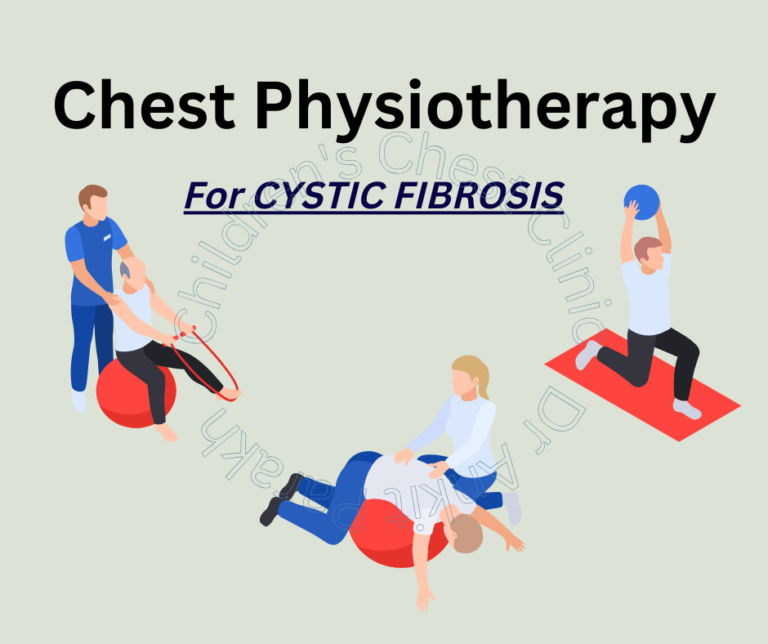
Chest Physiotherapy for Children with Cystic Fibrosis (CF): A Vital Tool for Airway Clearance
Read article
Jun 20, 2025
Chest Physiotherapy for Children with Cystic Fibrosis (CF): A Vital Tool for Airway Clearance
Read article
 May 3, 2025
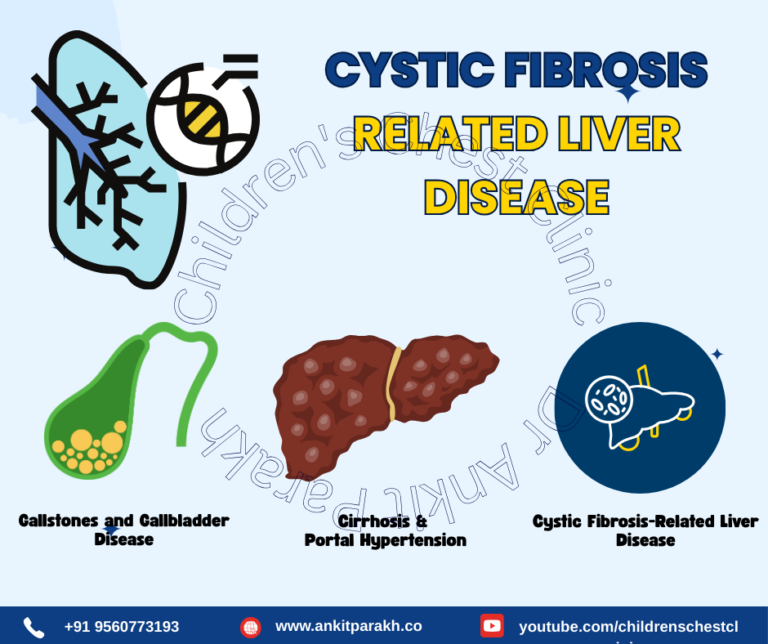
Cystic Fibrosis-Related Liver Disease: Causes, Symptoms, and Management
Read article
May 3, 2025
Cystic Fibrosis-Related Liver Disease: Causes, Symptoms, and Management
Read article
 May 19, 2025
Cystic Fibrosis-Related Diabetes: Causes, Symptoms, and Management
Read article
May 19, 2025
Cystic Fibrosis-Related Diabetes: Causes, Symptoms, and Management
Read article