Overview
Understanding Asthma Attacks in Children: Causes, Treatment, and PreventionPossible reasons and triggers
Asthma is a common chronic condition among children, but when left unchecked, it can lead to frequent and severe asthma attacks. These attacks can be frightening for both parents and children, often involving symptoms such as wheezing, difficulty breathing, and chest tightness. Asthma attacks can vary in severity from being mild to being very severe, requiring emergency visits and hospital admissions. With proper treatment, most asthma attacks are preventable. This section deals with asthma attacks in children: causes, symptoms, treatment and prevention.
What Are Asthma Attacks?
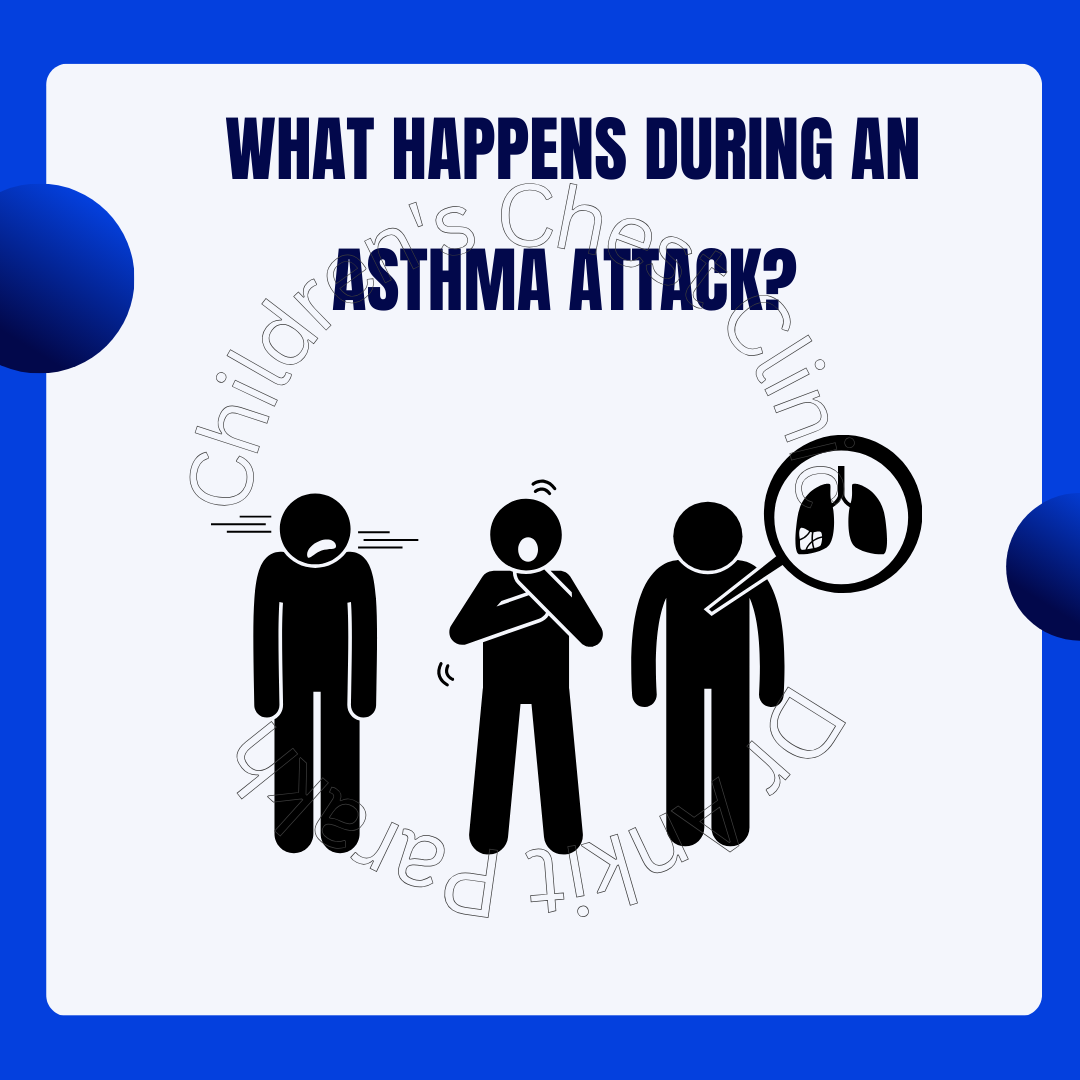
An asthma attack (also known as an asthma exacerbation or flare) is a sudden worsening of asthma symptoms caused by inflammation, extra mucus and muscles around the airways tightening up (called bronchospasm) leading to narrowing of the airways (bronchi). This can result in:
- Wheezing or a whistling sound when exhaling
- Coughing, especially at night or early in the morning
- Shortness of breath and chest tightness
- Rapid breathing or difficulty speaking
While asthma attacks can range from mild to severe, some may require emergency medical attention.
Common Causes of Asthma Attacks in ChildrenPossible reasons and triggers
Several factors can trigger asthma attacks in children. These triggers may vary from one child to another, but common causes include:
- AllergensCommon allergens such as dust mites, pet dander, pollen, and mold can irritate the airways and trigger asthma symptoms. These are some of the most frequent triggers, especially in children with allergic asthma.
- Respiratory InfectionsViral infections, like the common cold or flu, can worsen asthma symptoms and lead to asthma attacks.
- Weather ConditionsCold air, heat, humidity, and sudden weather changes can act as triggers for children with asthma.
- Tobacco Smoke and Air PollutionExposure to second-hand smoke (cigarette smoke., agarbatti, dhupabatti and mosquito coils) or outdoor air pollution (such as car exhaust or industrial fumes) can irritate the lungs and lead to asthma exacerbations.
- Strong Odors or ChemicalsExposure to strong smells like perfumes, deodorants, paints, cleaning products, etc can also trigger asthma attacks in sensitive children.
Treatment for Asthma Attacks in ChildrenMedications and therapies
Effective treatment during an asthma attack is critical to reducing symptoms and preventing further complications. The primary goal is to quickly relieve airway constriction and reduce inflammation. Treatment options for asthma attacks include:
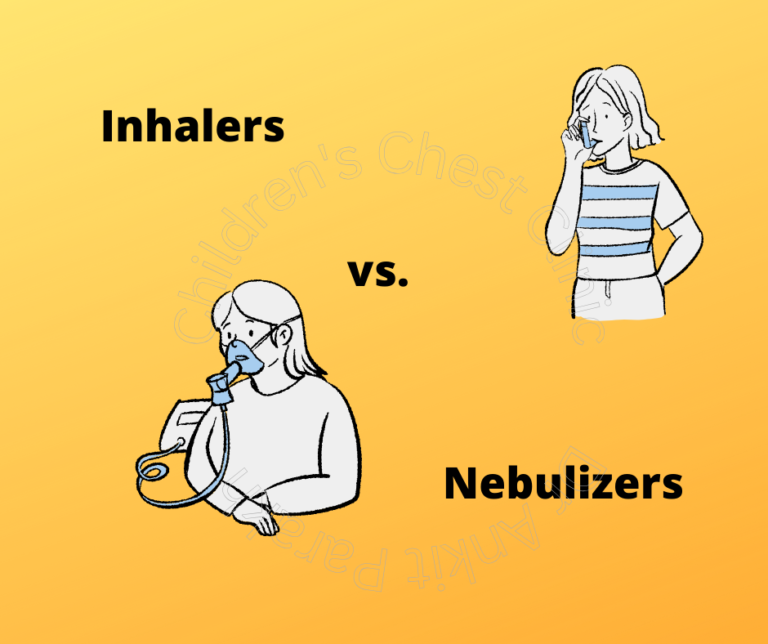
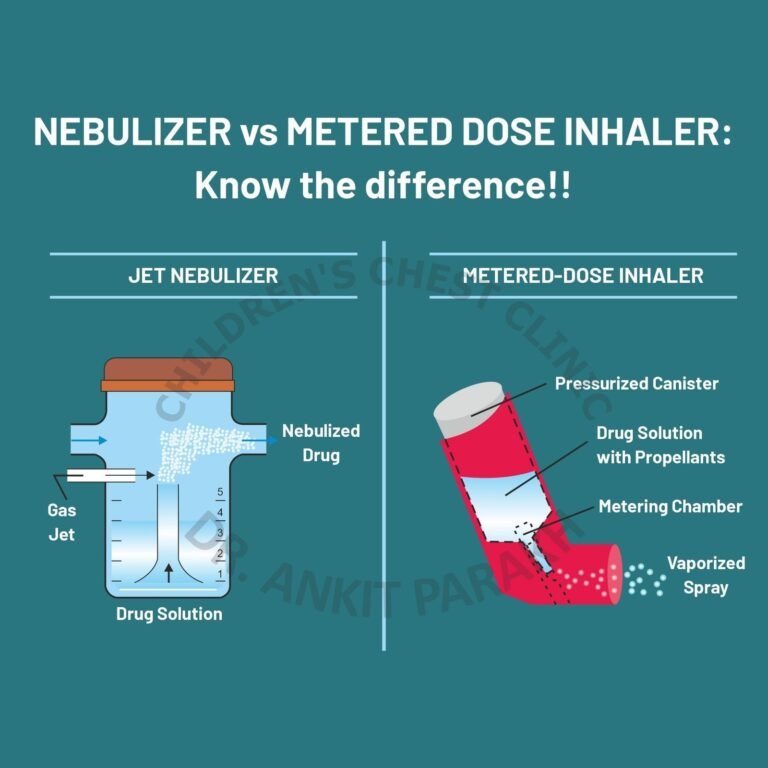
- Short-Acting Beta-Agonists (SABAs)Medications like salbutamol are commonly used as rescue inhalers during an asthma attack. They quickly relax the muscles around the airways, easing breathing.
- Systemic CorticosteroidsIn more severe attacks, oral or intravenous steroids may be prescribed to reduce inflammation quickly.
- Oxygen TherapyIf your child is experiencing difficulty breathing, oxygen therapy may be used in a hospital setting to ensure they are receiving enough oxygen.
- Non invasive ventilationSome children with severe asthma attacks require admission to ICU requiring non invasive ventilation in the form of a high flow nasal cannula or a Bipap.
Preventing Asthma Attacks in ChildrenHow to reduce the risk
Prevention is key to managing asthma and minimizing the occurrence of attacks. A proactive approach includes:
- Regular Medication UseEnsuring that your child adheres to their prescribed maintenance medications, including inhaled corticosteroids and long-acting beta agonists, is essential for controlling asthma and preventing attacks.
- Avoiding TriggersIdentifying and avoiding specific asthma triggers, such as allergens, tobacco smoke, and environmental irritants, can help reduce the frequency of asthma attacks.
- Asthma Action PlanEvery child with asthma should have an individualized asthma action plan. Asthma action plan guides steps for managing symptoms at home and when to seek medical help.
- Regular Follow-upsRegular check-ups with your pediatric pulmonologist help monitor your child’s asthma control and adjust treatment plans as necessary.
Early recognition and proper treatment of asthma attacks are important. Preventive strategies are crucial for reducing the impact of asthma attacks and improving your child’s asthma control.
If your child is having asthma and getting frequent asthma attacks do get in touch with a pediatric pulmonologist for proper assessment and treatment.
Conclusion
1. What should I do if my child has an asthma attack?
Use the prescribed rescue inhaler immediately and follow the steps outlined in your child’s asthma action plan. If symptoms don’t improve or worsen, seek medical attention right away. comorbid conditions, or specific asthma subtypes that require more advanced therapies.
2. Can asthma attacks be prevented completely?How to reduce the risk
While it may not be possible to prevent every asthma attack, proper controller treatment with inhalers, avoiding triggers, and adhering to an asthma action plan can significantly reduce the frequency and severity of attacks.
3. How can I tell if my child is having an asthma attack or something else?
Asthma attacks typically involve wheezing, coughing, shortness of breath, and chest tightness.
4. What are the symptoms of a severe asthma attack?Common signs to look for
Symptoms that indicate a very severe or a life threatening attack include: very rapid breathing, difficulty in speaking, anxiety, pallor, sweating, blue lips or fingernails. In such cases the child should be taken to the hospital emergency immediately.
5. When should I call for emergency help during an asthma attack?Seek expert help at the right time
If your child’s symptoms are not improving after using a rescue inhaler, if they’re struggling to breathe, or if they’re unable to talk or walk, seek emergency medical help immediately.