Overview
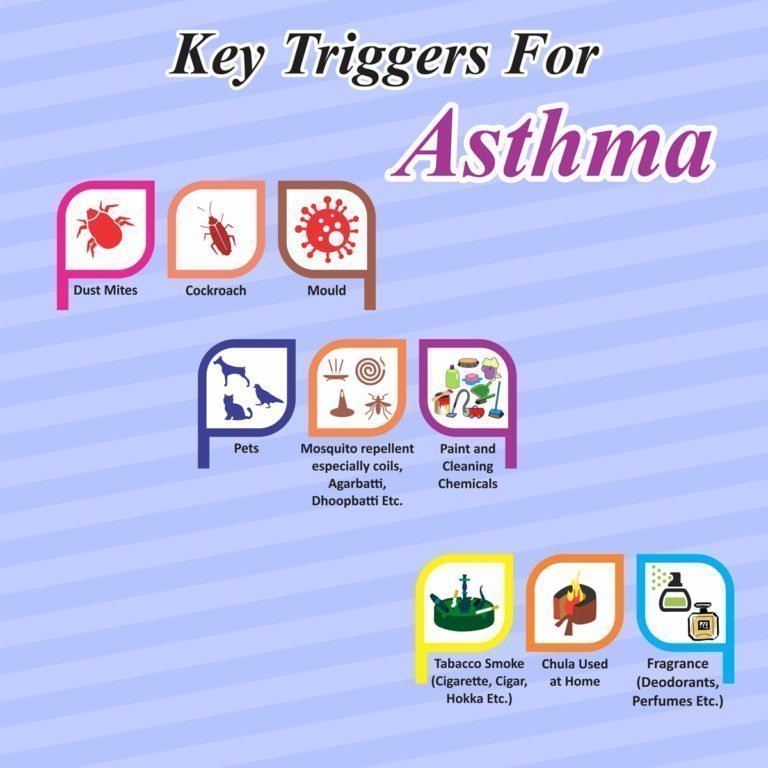
Asthma Allergens and TriggersPossible reasons and triggers
Asthma is a chronic condition that can be significantly influenced by allergens and other triggers. Identifying and managing these factors is crucial for effective asthma control. For children, this can mean fewer symptoms, fewer missed school days, reduced asthma attacks and an improved quality of life. This section deals with common asthma allergens and triggers and how to minimize their impact.
What Are Allergens and Triggers?Possible reasons and triggers
Allergens are substances that cause allergic reactions in sensitive individuals. These reactions can worsen asthma symptoms by causing inflammation in the airways. Common asthma allergens include:
- Dust mites
- Pollen from trees, grasses, and weeds
- Mold spores
- Pet dander from cats, dogs, and other animals
- Cockroach droppings
Triggers, on the other hand, are factors that irritate the airways and provoke asthma symptoms. These may include:
- Cold air
- Smoke from cigarettes, bidi, hukka, agarbatti, dhupabatti and mosquito coils.
- Strong odors and perfumes
- Respiratory infections
- Physical activity (exercise-induced asthma)
How to Identify Allergens and Triggers
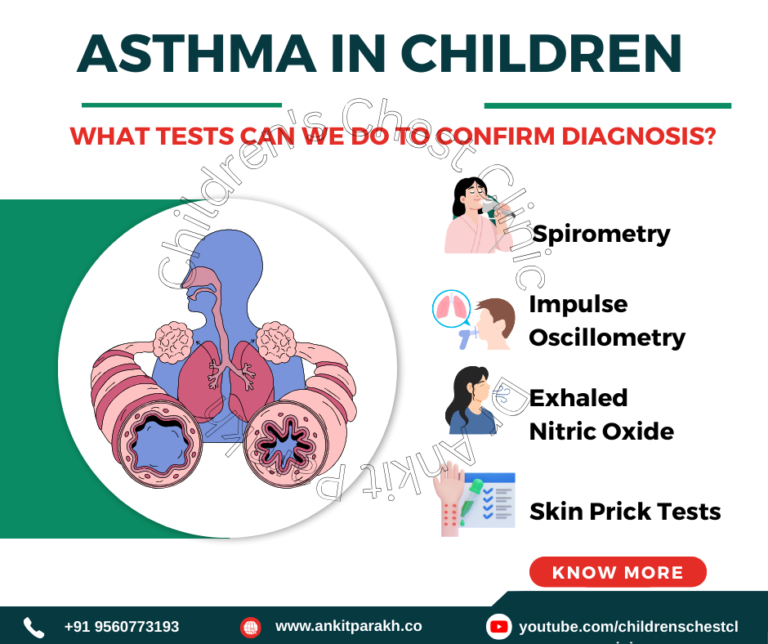
To identify what exacerbates your child's asthma, a pediatric pulmonologist may recommend:
- Allergy testingSkin prick or blood tests to determine specific allergens.
- Keeping a symptom diaryTracking when and where symptoms occur to identify patterns.
- Environmental assessmentChecking for common triggers in the home, school, or daycare.
Managing Allergens and Triggers
Effective asthma management involves reducing exposure to allergens and triggers. Here are some general strategies:
- Maintain a clean homeRegular cleaning can help reduce allergens like dust, mold, and pet dander.
- Avoid smokingEnsure a smoke-free environment for your child.
- Monitor outdoor conditionsLimit outdoor activities during high pollen or pollution levels.
- Plan for exerciseUse a rescue inhaler before physical activity if needed.
Understanding and managing allergens and triggers is a cornerstone of asthma control in children. By identifying specific factors like dust mites and taking proactive steps to minimize exposure, parents can help their children breathe easier and lead more active lives.
Conclusion
1. What are the most common asthma allergens in children?
The most common allergens include dust mites, pollen, mold, pet dander, and cockroach droppings.
2. How do dust mites trigger asthma symptoms?Common signs to look for
Dust mites produce allergens that can irritate the airways, causing inflammation and worsening asthma symptoms.
3. Can exercise trigger asthma?Possible reasons and triggers
Yes, exercise can trigger asthma in some children, but it can be managed with proper precautions, including using a rescue inhaler before activity.
4. How can I reduce allergens in my home?
Regular cleaning, using allergen-proof covers, controlling humidity, and vacuuming with a HEPA filter can help reduce allergens.
5. Should my child avoid outdoor activities if they have asthma?
Not necessarily. Monitoring outdoor pollen and pollution levels and using preventive measures can help your child enjoy outdoor activities safely.