On this page 7 sections
- What is the Cough Assist Device?
- How Does the Cough Assist Device Help Children with Neuromuscular Problems?
- How to Use the Cough Assist Device for Children with Neuromuscular Problems
- When Should a Cough Assist Device Be Used?
- Benefits Beyond Coughing: Comprehensive Respiratory Care
- Conclusion
- Frequently Asked Questions
As a parent or caregiver of a child with neuromuscular problems, ensuring their well-being is often a constant challenge. One crucial aspect of respiratory care is effective clearance of mucus from the airways. This is where the Cough Assist device can play a pivotal role in improving the quality of life for children with neuromuscular conditions.
Children with neuromuscular problems (such as muscular dystrophy, spinal muscular atrophy, congenital myopathy, etc.) often struggle with proper cough reflex and airway clearance, putting them at risk for respiratory complications. The Cough Assist device helps address this by mimicking the natural process of coughing, allowing for effective removal of secretions from the lungs and airways.
In this blog, we will explore the Cough Assist device’s utility, its impact on children with neuromuscular problems, and why it is an essential tool for respiratory care.
What is the Cough Assist Device?
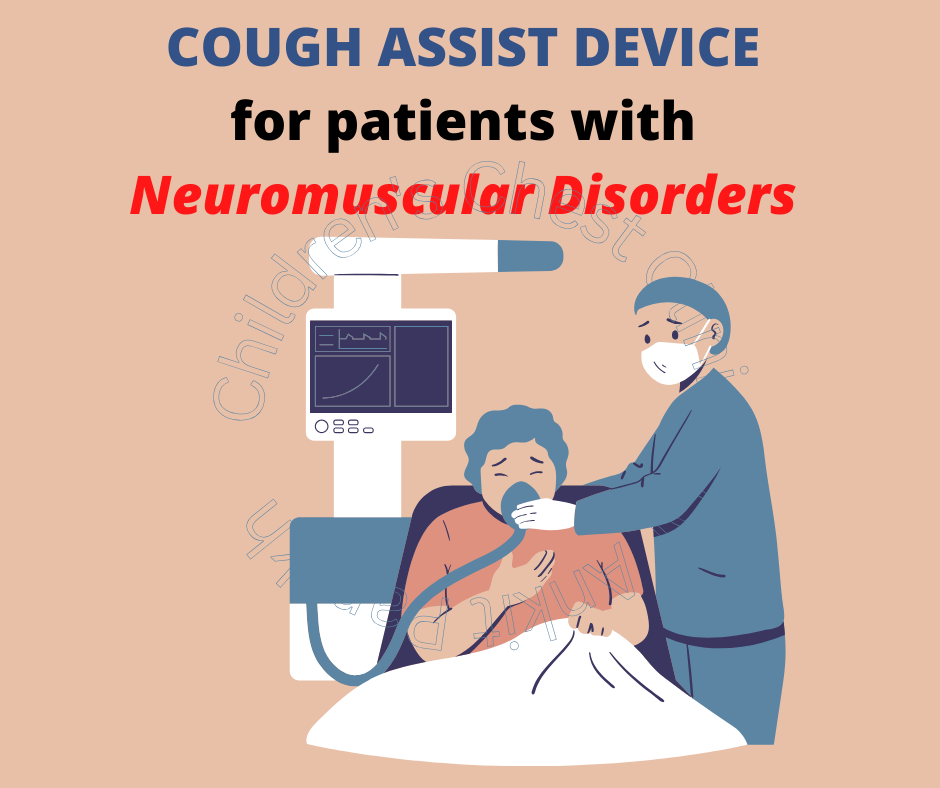
A Cough Assist device is a mechanical machine designed to help people, particularly those with neuromuscular problems, clear mucus from their airways. It works by applying positive pressure to the lungs, followed by a rapid shift to negative pressure, simulating a natural cough. The resulting forceful exhalation helps dislodge mucus, allowing for easier airway clearance.
For children with neuromuscular problems, a Cough Assist device can be a game-changer. Neuromuscular conditions often result in weakened respiratory muscles, making it difficult for the child to generate the force needed for a productive cough. The Cough Assist device compensates for this weakness, ensuring that respiratory health is maintained.
How Does the Cough Assist Device Help Children with Neuromuscular Problems?
Improved Airway Clearance
One of the most significant benefits of using a Cough Assist device is that it helps children clear mucus effectively. Children with neuromuscular disorders often lack the strength to cough deeply, leading to the accumulation of mucus in their lungs. The Cough Assist device simulates a deep cough, enabling the child to expel secretions that would otherwise remain trapped.
Prevention of Respiratory Infections
Neuromuscular problems weaken the respiratory muscles, increasing the risk of aspiration and infections like pneumonia. The Cough Assist device helps reduce the chances of respiratory infections by maintaining clear airways and preventing the buildup of harmful bacteria and mucus.
Improved Quality of Life
Chronic lung infections and breathing difficulty can cause discomfort, fatigue, and anxiety in children. By improving lung function and reducing respiratory complications, the Cough Assist device can significantly enhance a child’s overall quality of life.
How to Use the Cough Assist Device for Children with Neuromuscular Problems
- Set up the Device: The device is connected to a mask or mouthpiece that the child wears.
- Positive Pressure: The device delivers gentle positive pressure into the child’s lungs.
- Negative Pressure: The device switches to negative pressure to help forcefully expel air and mucus.
- Repeat Sessions: Several cycles may be required and can be repeated multiple times per day as advised by a healthcare provider.
While the Cough Assist device is safe, it should always be used under the guidance of a healthcare provider familiar with the child’s specific condition and needs.
When Should a Cough Assist Device Be Used?
The Cough Assist device is most beneficial for children with neuromuscular problems who experience difficulty clearing mucus from their airways due to weak cough strength.
Signs that may indicate the need for a Cough Assist device include:
- Frequent respiratory infections or pneumonia
- Difficulty breathing or shortness of breath
- Poor weight gain or failure to thrive due to respiratory issues
- Low lung function
- Non-ambulatory children unable to move or walk independently
If your child shows any of these symptoms, consult a pediatric pulmonologist to determine whether a Cough Assist device may be helpful.
Benefits Beyond Coughing: Comprehensive Respiratory Care
Respiratory care for children with neuromuscular problems goes beyond coughing alone. Over time, lung function may decline, making ventilatory support, sleep management, and nutritional care essential components of treatment.
Cough Assist devices complement these therapies by keeping the airways clear. When combined with other interventions, the device becomes part of a comprehensive respiratory care plan that can improve outcomes and enhance long-term quality of life.
Conclusion
The Cough Assist device is a valuable tool in the management of respiratory issues in children with neuromuscular problems. By helping these children clear mucus more effectively, it reduces the risk of infections, improves lung function, and enhances their overall quality of life. If your child suffers from a neuromuscular problem that affects their ability to cough, consult a pediatric pulmonologist to explore the possibility of incorporating a Cough Assist device into their care plan.
FAQs about Cough Assist Devices for Children with Neuromuscular Problems
Frequently Asked Questions
1. What are neuromuscular problems, and how do they affect breathing?
Neuromuscular problems are conditions that affect the muscles and nerves, leading to weakness. These conditions, such as muscular dystrophy or spinal muscular atrophy, often impair the respiratory muscles, making it difficult for children to generate the forceful cough needed to clear mucus from their lungs.
2. How does the Cough Assist device work?
The Cough Assist device uses positive and negative pressure to mimic the body’s natural coughing mechanism. It applies pressure to the lungs to help loosen and expel mucus, assisting children who are unable to generate an effective cough due to muscle weakness.
3. Is the Cough Assist device painful for children to use?
No, the Cough Assist device is designed to be non-invasive and painless. The child wears a mask or mouthpiece, and the device works to gently simulate the process of coughing. Some children may initially be uncomfortable, but most adjust quickly.
4. How often should a child use the Cough Assist device?
The frequency of use depends on the child’s specific condition and needs. Typically, children with neuromuscular problems may benefit from using the Cough Assist device multiple times a day, especially during times when they have a respiratory infection.
5. Can the Cough Assist device replace other respiratory treatments?
The Cough Assist device is a crucial tool in managing respiratory health, but it does not replace other treatments like ventilatory support or physical therapy. It should be used as part of a comprehensive treatment plan designed by healthcare providers.
Related conditions & services
Medical Advice & Clinical Disclaimer
The educational medical guidance provided in this guide is for informational purposes only. It should not be used as a substitute for direct pediatric consultation, physical diagnosis, or clinical prescription. For individualized medical assessment of your child, schedule an appointment with Dr. Ankit Parakh.

Related articles
 Jun 10, 2025
Chest Physiotherapy for Children with Spinal Muscular Atrophy (SMA): Enhancing Airway Clearance and Breathing
Read article
Jun 10, 2025
Chest Physiotherapy for Children with Spinal Muscular Atrophy (SMA): Enhancing Airway Clearance and Breathing
Read article
 Jun 15, 2026
Multidisciplinary Treatment for Spinal Muscular Atrophy (SMA)
Read article
Jun 15, 2026
Multidisciplinary Treatment for Spinal Muscular Atrophy (SMA)
Read article
 Apr 24, 2025
Respiratory and Sleep Problems in Children with Duchenne Muscular Dystrophy
Read article
Apr 24, 2025
Respiratory and Sleep Problems in Children with Duchenne Muscular Dystrophy
Read article