On this page 16 sections
- Why Is Bathing Important in Atopic Dermatitis or Eczema?
- How Long Should a Child with Eczema Stay in the Bath?
- Keep bath time short
- The ideal bath temperature: Use lukewarm water, rather than hot water.
- Should You Use Soap on a Child with Atopic Dermatitis or Eczema?
- What About Bubble Baths?
- The Most Important Step: Moisturise After Bathing
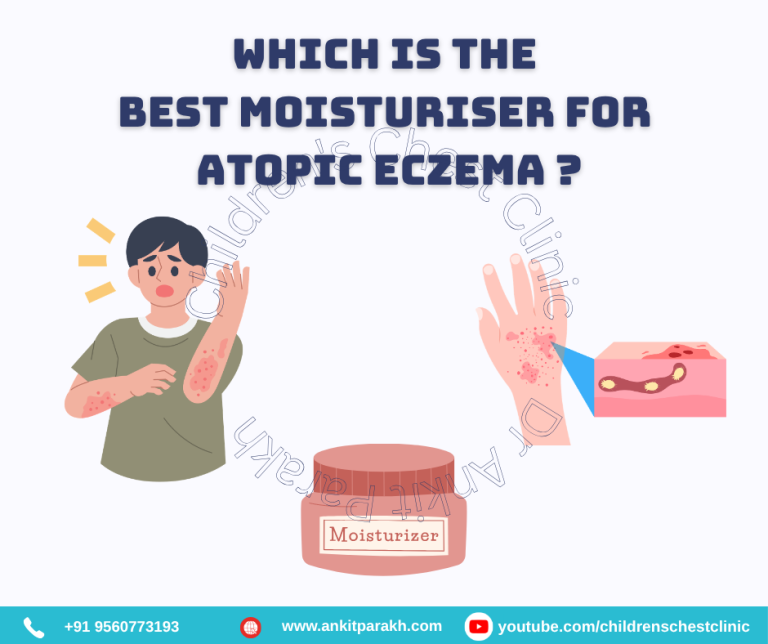
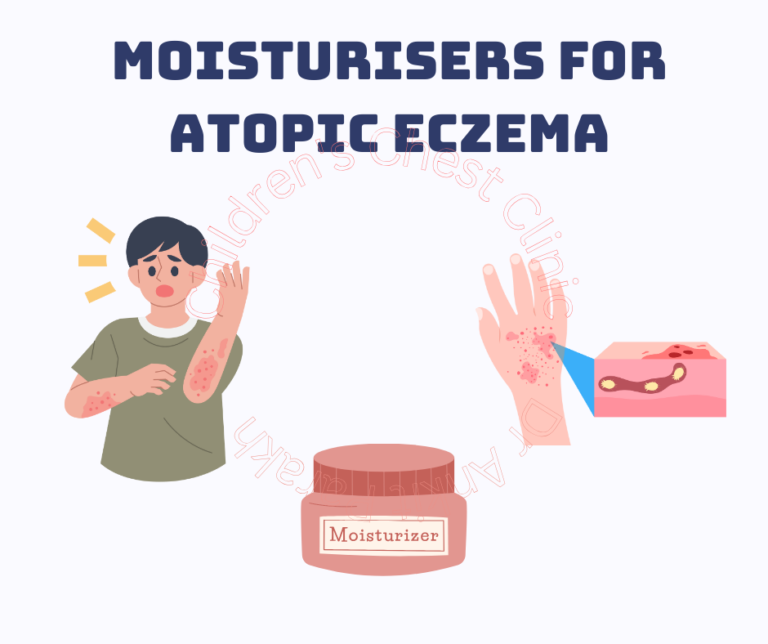
- Which Moisturiser Is Best for Eczema?
- What If the Child Is Using an Eczema Medicine?
- Should You Bathe a Child with Eczema Every Day?
- What Should Parents Avoid During Bathing?
- A Simple “Bath-to-Moisturiser” Routine for Children with Eczema
- When Should You See a Doctor?
- Take-Home Message
- Frequently Asked Questions (FAQs)
- Frequently Asked Questions
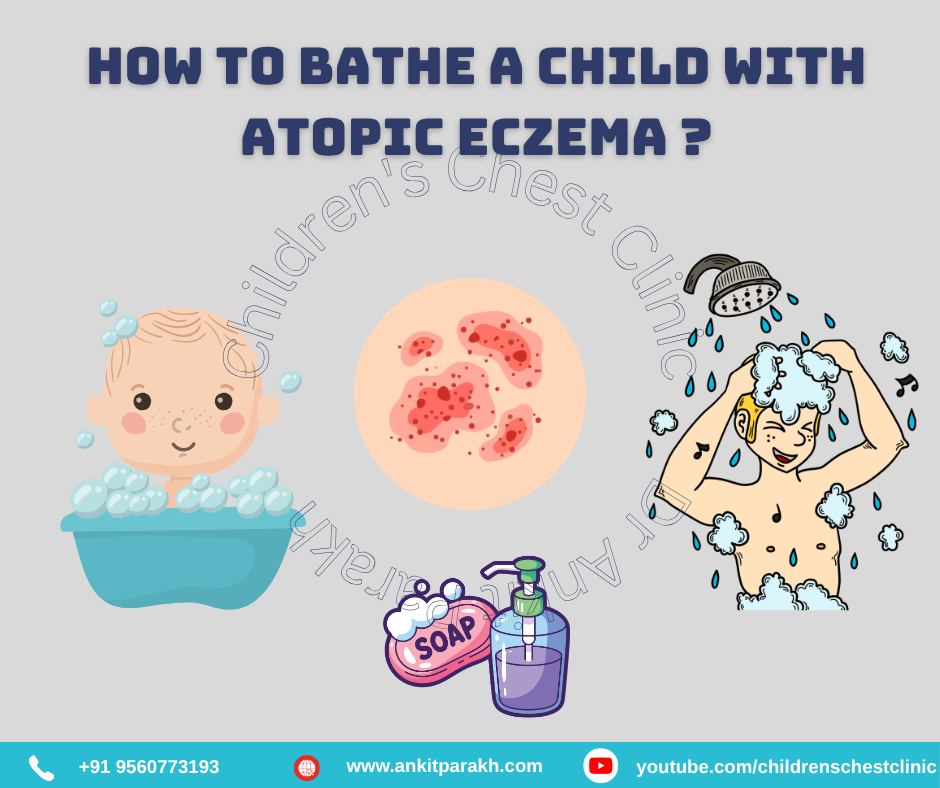
Bath time can be an important part of caring for a child with Atopic Dermatitis or Eczema. Many parents worry that frequent bathing may make eczema worse. The truth is that the problem is usually not bathing itself, but how the bath is given and what products are used afterwards. A short bath with lukewarm water, a gentle non-soap cleanser when needed, followed by generous moisturisation, can help keep the skin hydrated and protect the skin barrier. The goal is to clean the skin without damaging its protective barrier.
Why Is Bathing Important in Atopic Dermatitis or Eczema?
Children with Atopic Dermatitis or Eczema have a weakened skin barrier. Their skin loses water more easily and can become dry, itchy and cracked.
A properly done bath can:
-
Remove sweat, dirt and irritants from the skin
-
Hydrate the outer layer of the skin
-
Reduce accumulation of allergens and irritants
-
Prepare the skin for moisturiser
-
Become part of a consistent eczema skin-care routine
However, hot water, prolonged bathing and harsh soaps can remove natural oils and increase dryness and irritation. The key is therefore not to avoid bathing, but to bathe correctly.
How Long Should a Child with Eczema Stay in the Bath?
Keep bath time short
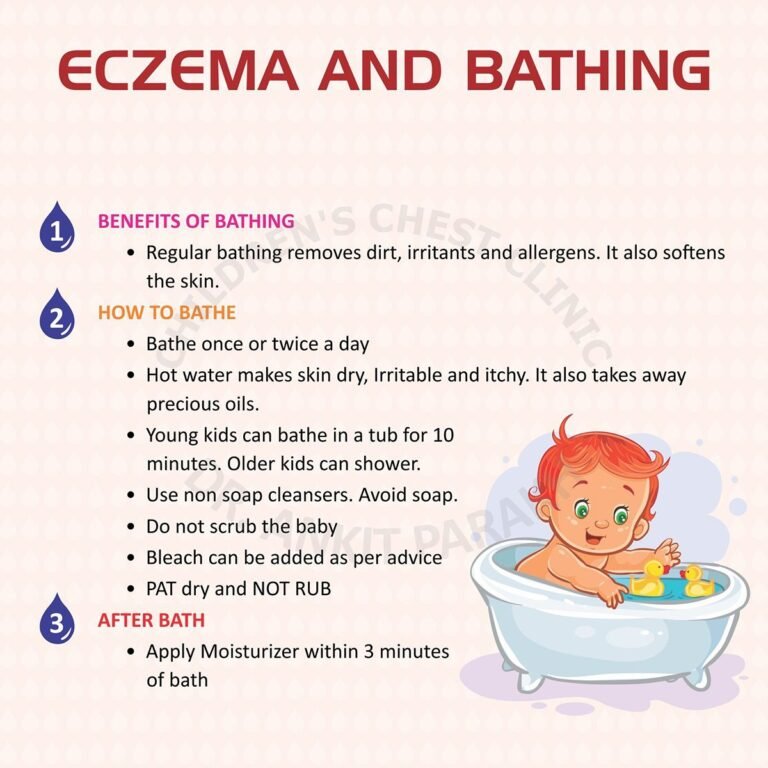
A bath of around 5–10 minutes is generally sufficient for a child with eczema. Long baths may sound soothing, but prolonged exposure to water can eventually contribute to skin dryness, particularly when combined with hot water or harsh cleansers.
The ideal bath temperature: Use lukewarm water, rather than hot water.
Hot water can dry the skin, increase itching, trigger irritation and make eczema symptoms more uncomfortable. A simple rule for parents is if the water feels hot to your hand, it is probably too hot for your child’s eczema-prone skin.
Should You Use Soap on a Child with Atopic Dermatitis or Eczema?
Avoid ordinary soaps whenever possible. Traditional soaps can be drying and irritating for children with eczema. Instead, use a mild, fragrance-free, non-soap cleanser or emollient wash when cleansing is necessary.
Mild non soap cleansers are suitable for sensitive skin. Avoid strong soaps, perfumed body washes, bubble baths and products containing strong fragrances. The American Academy of Dermatology recommends using cleanser only when needed and choosing a mild, fragrance-free cleanser for children with eczema.
What About Bubble Baths?
Avoid bubble baths in children with eczema. Bubble baths often contain fragrances and other ingredients that can irritate sensitive skin. If your child has Atopic Dermatitis or Eczema, it is better to choose a simple, gentle bathing routine rather than adding multiple products to the bath water.
The Most Important Step: Moisturise After Bathing
If there is one thing parents should remember about bathing a child with Atopic Dermatitis or Eczema, it is this: Moisturise immediately after the bath.
After bathing:
-
Gently lift the child out of the bath.
-
Pat the skin gently with a soft towel.
-
Do not rub the skin vigorously.
-
Leave the skin slightly damp.
-
Apply a generous layer of fragrance-free moisturiser.
Ideally, moisturiser should be applied within a few minutes of bathing, while the skin is still slightly damp. This helps trap water in the skin and supports the skin barrier. This is referred to as a “Soak and Seal” technique.
Which Moisturiser Is Best for Eczema?
For children with Atopic Dermatitis or Eczema, creams and ointments are generally preferred over light lotions because they are better at reducing water loss from the skin. The best moisturiser is often the one that: works well + does not sting + your child tolerates + you can use regularly. There is no need to choose the most expensive product.
What If the Child Is Using an Eczema Medicine?
If your child’s doctor has prescribed a topical medicine, follow the prescribed instructions. In many treatment plans, the medication is applied to the affected areas and moisturiser is then applied as directed. The American Academy of Dermatology recommends applying prescribed medication after bathing when the skin is almost dry, followed by moisturiser. Do not stop prescribed eczema treatment simply because the skin appears better unless your child’s doctor has advised you to do so.
Should You Bathe a Child with Eczema Every Day?
There is no single bathing frequency that is perfect for every child.
The important factors are:
-
Water temperature
-
Duration of bathing
-
Type of cleanser
-
Skin moisturisation
-
Individual eczema severity
-
Climate and sweating
Many children can bathe regularly when the bath is short, lukewarm and followed by appropriate moisturisation. If your child’s skin consistently becomes worse after bathing, discuss the bathing routine with your pediatrician or allergist.
What Should Parents Avoid During Bathing?
Avoid these common mistakes:
 Hot water
Can increase dryness and itching.
Long baths
Prolonged bathing can contribute to dryness.
Strong soaps
May strip oils from the skin and irritate eczema.
Perfumed products
Fragrances can trigger irritation in sensitive skin.
Bubble baths
Often contain irritating fragrances and other ingredients.
Scrubbing
Wash gently rather than using rough sponges or scrubbing tools.
Rubbing with a towel
Pat the skin gently instead.
Delaying moisturisation
Don’t wait for the skin to become completely dry before moisturising.
A Simple “Bath-to-Moisturiser” Routine for Children with Eczema
Parents can remember this simple routine:
Lukewarm water → 5–10 minute bath → gentle non-soap cleanser → gentle pat dry → moisturiser within a few minutes
This simple routine can become part of your child’s everyday eczema management.
When Should You See a Doctor?
Bathing and moisturisation are important, but they may not be enough when eczema is moderate or severe.
Consult your allergist if your child has:
-
Persistent or severe itching
-
Frequent eczema flares
-
Cracked or bleeding skin
-
Oozing or crusting
-
Painful skin
-
Suspected skin infection
-
Poor sleep because of itching
-
Eczema that is not improving despite regular moisturisation
Some children require prescription anti-inflammatory treatment or other therapies in addition to good skin care.
Take-Home Message
Bathing does not have to be the enemy of eczema. For a child with Atopic Dermatitis or Eczema, the right bath or bathing routine can actually be an important part of skin care.
Remember the three golden rules:
1. Keep the bath short and lukewarm. Aim for about 5–10 minutes.
2. Use a gentle, fragrance-free non-soap cleanser. Avoid harsh soaps, perfumes and bubble baths.
3. Moisturise immediately after bathing. Gently pat the skin and apply a generous layer of fragrance-free cream or ointment while the skin is still slightly damp.
Consistent skin care helps protect the skin barrier, reduce dryness and may reduce eczema flares.
Frequently Asked Questions (FAQs)
Frequently Asked Questions
Can a child with Atopic Dermatitis or Eczema take a bath every day?
Yes, many children with eczema can bathe regularly. The important factors are using lukewarm water, keeping the bath short, avoiding harsh cleansers and moisturising immediately afterwards.
What type of soap should I use for a child with eczema?
A mild, fragrance-free non-soap cleanser or emollient wash is preferable to ordinary soap. Avoid perfumed soaps, strong cleansers and bubble baths.
How long should a child with eczema stay in the bath?
A 5–10 minute bath is generally sufficient. Use lukewarm rather than hot water.
When should I apply moisturiser after bathing?
Apply a generous amount of fragrance-free moisturiser within a few minutes of bathing, while the skin is still slightly damp. This helps lock in moisture.
Can bathing make eczema worse?
Bathing itself does not necessarily make eczema worse. However, hot water, prolonged bathing, harsh soaps, fragrances and rubbing the skin can increase dryness and irritation. A gentle bathing routine followed by moisturisation can help protect the skin barrier.
Related conditions & services
Medical Advice & Clinical Disclaimer
The educational medical guidance provided in this guide is for informational purposes only. It should not be used as a substitute for direct pediatric consultation, physical diagnosis, or clinical prescription. For individualized medical assessment of your child, schedule an appointment with Dr. Ankit Parakh.