On this page 4 sections
 Angioedema is an area of swelling of the lower layer of skin (dermis) and tissue just under the skin (subcutaneous tissue) or mucous membranes.
What happens during an acute episode of Angioedema?
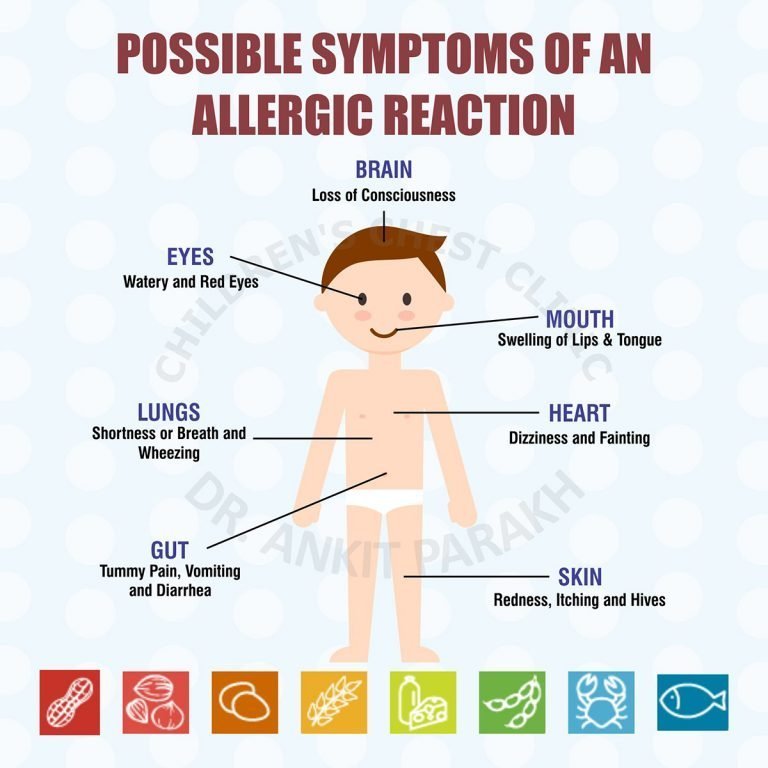
During an acute episode of angioedema the lips, eyes, and face are usually involved. These areas become red, swollen and can be painful. Angioedema may affect many other body parts, which includes back of hands and feet, the breathing or respiratory system and the gastrointestinal (GI) system. The swelling of the voice box (also called as Larynx) or laryngeal edema can lead to stridor and severe breathing difficulty and can be life-threatening. Edema of the intestines causes nausea, vomiting, pain abdomen and/or loose motions.
Angioedema usually occurs in association with urticaria or hives but can occur in isolation. Most reactions are self-limited and do not recur. Sometimes, Angioedema can be recurrent or chronic.
What are the causes of Angioedema in children?
Hives and angioedema can be caused by:
- Viral infections: these are the most common cause of acute urticaria and angioedema in children. Most common viral infections are related to respiratory (like viral upper respiratory infections) and gastrointestinal infections (like gastroenteritis).
- Foods: can trigger allergic reactions leading to angioedema and hives. The common foods are peanuts, tree nuts, fish, eggs, soy and milk
- Medications: Many medications may cause hives or angioedema. Common culprits include antibiotics (most commonly penicillin group), analgesic medicines (aspirin, ibuprofen, naproxen sodium) and anaesthesia medicines.
- Environmental factors: Examples include long sunlight exposure, hot showers or baths, pressure on the skin such as from tight clothing, emotional stress, insect bites and exercise can lead to urticaria and angioedema.
- Hereditary Angioedema: In kids with chronic or recurrent angioedema with no obvious cause or if family members have angioedema a possibility of hereditary angioedema should be kept.
- Idiopathic Angioedema: in many cases of chronic angioedema the cause is not known
What investigations are required in Angioedema?
The cause of angioedema is often clear from the description and investigations are usually not required. When angioedema is chronic, a detailed drug and dietary evaluation should be done. If hereditary angioedema is suspected C1 inhibitor levels, C1q esterase and C4 levels are required.
How is Angioedema treated?
Angioedema with hives is usually mediated by mast cells and treated with anti-histamines and occasionally steroids. If laryngeal edema is present then adrenaline or epinephrine injection is given.
Hereditary angioedema is bradykinin induced and unresponsive to anti-histamines, steroids and epinephrine. Treatment in such cases include fresh frozen plasma, C1 inhibitor concentrate, ecallantide and icatibant.
Related conditions & services
Medical Advice & Clinical Disclaimer
The educational medical guidance provided in this guide is for informational purposes only. It should not be used as a substitute for direct pediatric consultation, physical diagnosis, or clinical prescription. For individualized medical assessment of your child, schedule an appointment with Dr. Ankit Parakh.