On this page 4 sections
- How does Gastroesophageal reflux or reflux or GER lead to respiratory problems?
- What are the signs and symptoms of gastro-oesophageal reflux?
- What are the respiratory problems associated with Gastroesophageal reflux or reflux or GER?
- How do we diagnose Gastroesophageal reflux or reflux or GER to be the cause of respiratory problems in children?
Gastroesophageal reflux or reflux or GER is the movement of tummy contents into the food pipe or the esophagus. Gastroesophageal reflux is normal in many babies as the sphincter (ring of muscle) at the lower end of the food pipe is immature. Babies hence would “spit-up” a few times in a day. Gastroesophageal reflux usually begins at 3-4 weeks of life and peaks at around 4 months of age. As the digestive system matures, solid food is introduced and the baby learns to sit up and symptoms reduce with resolution by 9-12 months.
Sometimes, gastroesophageal reflux causes other symptoms and is called gastroesophageal reflux disease or GERD. Gastroesophageal reflux disease or GERD can lead to many respiratory problems in young kids. This article talks about gastroesophageal reflux disease or GERD in children with emphasis on respiratory problems.
How does Gastroesophageal reflux or reflux or GER lead to respiratory problems?
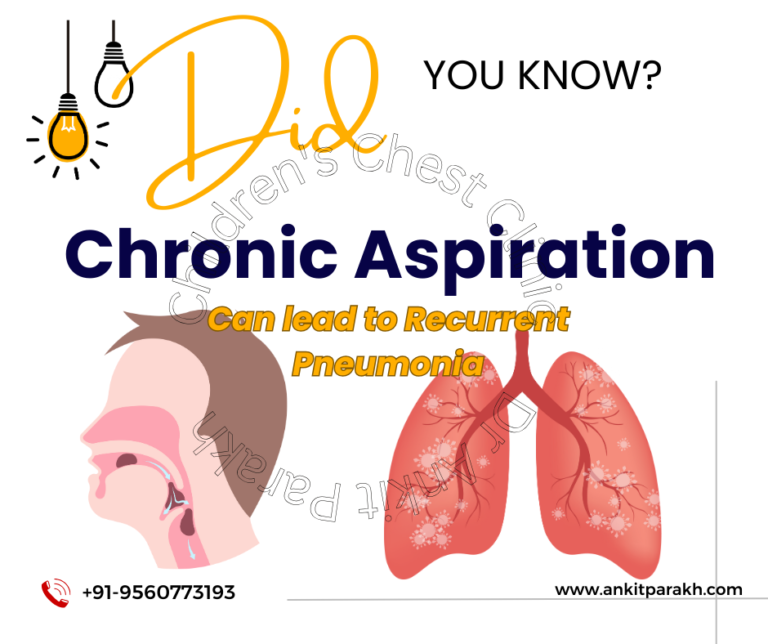
Gastroesophageal reflux or reflux in babies contains milk and acid. As milk and acid travels from the tummy into the food pipe it irritates its lining, making it sore. Sometimes the reflux (milk and acid) can enter into the airways and lungs (called aspiration) and irritate the lungs directly. In addition, the acid in the food pipe can cause a reflex and lead to tightening of the airways (bronchospasm).
What are the signs and symptoms of gastro-oesophageal reflux?
The main symptoms of gastroesophageal reflux or reflux or GER is frequent spitting up or regurgitation after feeds. In some babies the esophageal lining gets inflamed due to acid. This can lead to excessive crying especially while feeding, increased crankiness and overtime poor weight gain (failure to thrive).
What are the respiratory problems associated with Gastroesophageal reflux or reflux or GER?
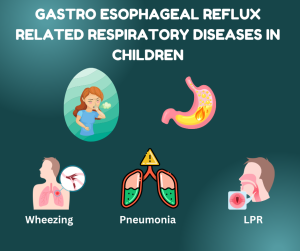
Respiratory manifestations of gastroesophageal reflux disease could be quite variable. Some children present with repeated episodes of cough associated with breathing difficulty and wheezing. These episodes appeared quite early in life, especially in the first 6 months of life. Some children with gastroesophageal reflux or reflux develop repeated episodes of pneumonia. These pneumonias usually are seen in the areas of the lungs which are lower or dependent. Many of such episodes require hospital admissions.
Since symptoms of recurrent wheezing and recurrent pneumonias can be associated with many problems in young infants, diagnosis can be difficult. These conditions could be tracheomalacia, vascular airway compression, cystic fibrosis, primary ciliary dyskinesia and immunodeficiency problems.
How do we diagnose Gastroesophageal reflux or reflux or GER to be the cause of respiratory problems in children?
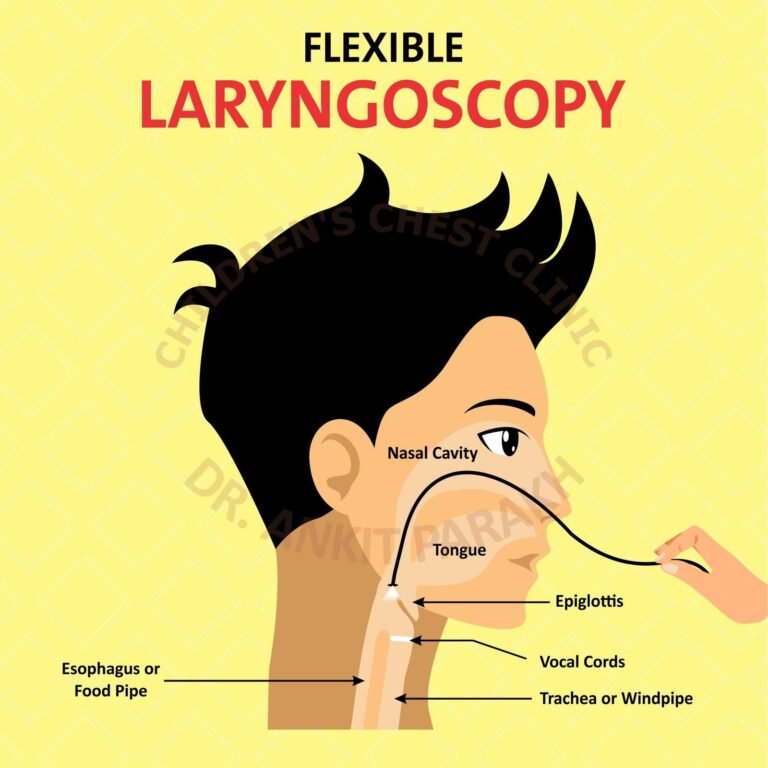
The diagnosis of gastroesophageal reflux disease in children, and especially the correlation to respiratory symptoms, might be difficult in young infants. The proof that there is gastroesophageal reflux milk scan or scintigraphy can be performed. 24 hour is esophageal pH and impedance is an upcoming modality and is more reliable for diagnosis of gastroesophageal reflux in children. Careful evaluation of the differential diagnosis as mentioned above is also required. For evaluation of the respiratory problems CT scan of the chest and airway evaluation with a flexible bronchoscopy might be required.
In case your baby is having symptoms of gastroesophageal reflux and repeated respiratory problems you need to get in touch with a pediatric chest specialist for a proper evaluation and investigations.
Related conditions & services
Medical Advice & Clinical Disclaimer
The educational medical guidance provided in this guide is for informational purposes only. It should not be used as a substitute for direct pediatric consultation, physical diagnosis, or clinical prescription. For individualized medical assessment of your child, schedule an appointment with Dr. Ankit Parakh.