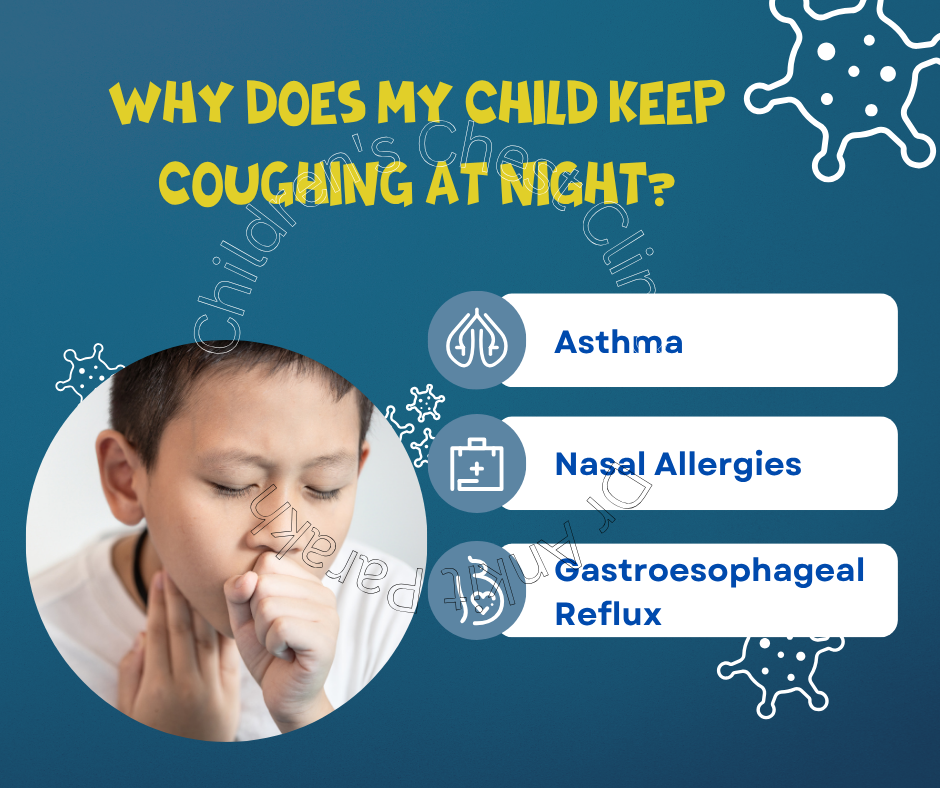
Why Does My Child Keep Coughing at Night?
Night-time cough in children is one of the most common concerns parents face. A child who coughs repeatedly during sleep can disturb the entire family and may indicate an underlying medical condition that needs attention. While occasional coughing during a cold is normal, persistent or recurring night time cough should not be ignored.
Several conditions can trigger night-time cough in children, with asthma and allergic rhinitis being among the most common causes. Understanding the reason behind your child’s symptoms is the first step toward effective treatment and better sleep.
In this article, we explain the common causes of night time cough, warning signs to watch for, and when parents should seek medical care.
What Is Night Time Cough?
Night time cough refers to coughing that becomes worse or occurs mainly during sleep. It may wake the child repeatedly at night, disturb sleep quality, cause tiredness during the day and affect school performance/concentration. A persistent night time cough may indicate airway irritation, allergies, or breathing disorders that require proper evaluation.
Common Causes of Night Time Cough in Children
1. Asthma
Asthma is one of the leading causes of chronic night time cough in children.
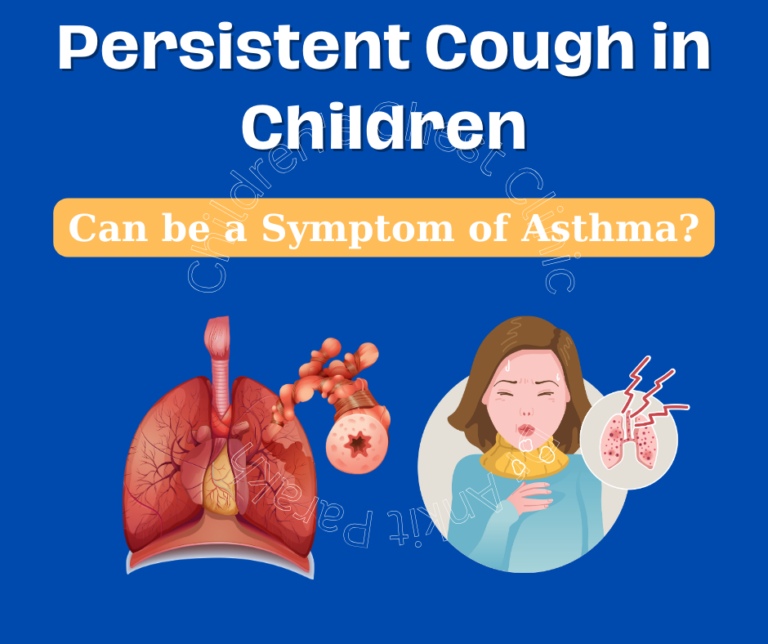
In asthma, the airways become inflamed and sensitive, especially at night. This can lead to dry cough during sleep, wheezing, breathlessness, chest tightness and cough after exercise or laughing. Some children may have “cough variant asthma,” where cough is the only major symptom without obvious wheezing.
Night-time asthma symptoms often worsen because:
-
Airways naturally narrow during sleep
-
Dust mite exposure increases in bedding
-
Cold night air may trigger airway irritation
If your child frequently coughs at night, especially more than twice a week, asthma should be evaluated.
2. Allergic Rhinitis
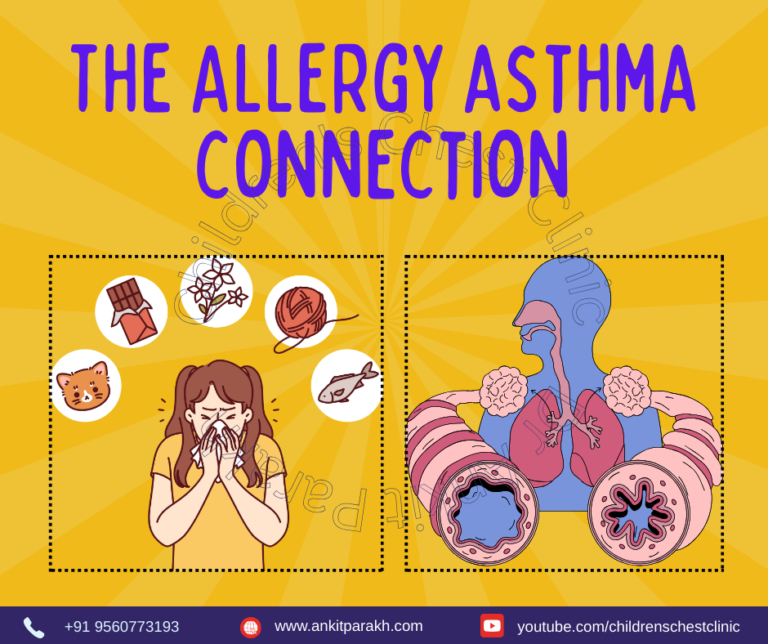
Allergic rhinitis is another very common reason for night time cough. Children with allergic rhinitis often experience: sneezing, nasal blockage, runny nose, itchy nose or eyes and postnasal drip.
When mucus drips down the back of the throat during sleep, it can trigger continuous coughing at night. Treating allergic rhinitis properly can significantly improve night-time cough and sleep quality.
3. Viral Infections
After viral colds, some children continue coughing for weeks, especially at night.
This occurs because:
-
Airways remain temporarily sensitive
-
Mucus production increases
-
Throat irritation persists
Most post-viral coughs gradually improve, but prolonged symptoms may require further evaluation.
4. Acid Reflux (GERD)
Gastroesophageal reflux disease (GERD) can sometimes cause chronic cough at night. In reflux, stomach acid moves upward into the throat during sleep, irritating the airways and triggering coughing. Signs may include: Sour taste in the mouth, vomiting, heartburn and chronic throat clearing
How Is Night Time Cough Diagnosed?
The evaluation may include:
-
Detailed medical history
-
Allergy assessment
-
Physical examination
-
Lung function tests (in older children)
-
Chest evaluation if needed
Identifying whether asthma, allergic rhinitis, or another condition is causing the cough is essential for proper treatment.
When Should You See a Specialist?
If your child’s cough keeps persisting for more than 2 weeks or keeps returning, it is important to see specialist.
A child pulmonologist and allergist can:
-
Identify hidden asthma
-
Diagnose allergies
-
Provide personalized treatment
-
Prevent repeated flare-ups
Early treatment improves both sleep quality and long-term lung health.
Final Thoughts
Nighttime coughing in children is not always “just a cough.” Persistent symptoms may indicate underlying asthma, allergic rhinitis, or reflux or other respiratory conditions that require medical attention. Ignoring repeated night coughing can affect your child’s sleep, growth, school performance, and quality of life. With timely diagnosis and proper treatment, most children experience significant improvement and can sleep peacefully again. If your child has frequent night-time cough, consult a specialist for expert evaluation and personalized care.
Frequently Asked Questions (FAQs)
Frequently Asked Questions
Why does my child cough more at night?
Night-time cough may worsen because of asthma, allergic rhinitis, postnasal drip, viral infections, or reflux .
Can asthma cause only night-time cough?
Yes. Some children have cough variant asthma, where persistent night cough is the main symptom without obvious wheezing.
Is allergic rhinitis linked to night time cough?
Yes. Postnasal drip from allergic rhinitis commonly triggers coughing during sleep.
When should I worry about my child’s night cough?
Seek medical advice if the cough lasts more than 2–3 weeks, disturbs sleep regularly, or is associated with wheezing or breathing difficulty.
How can I reduce my child’s night-time cough at home?
Keeping the bedroom dust-free, avoiding smoke exposure, controlling allergies, and following asthma treatment plans can help reduce symptoms.
Related conditions & services
Medical Advice & Clinical Disclaimer
The educational medical guidance provided in this guide is for informational purposes only. It should not be used as a substitute for direct pediatric consultation, physical diagnosis, or clinical prescription. For individualized medical assessment of your child, schedule an appointment with Dr. Ankit Parakh.