On this page 9 sections
- Gastrointestinal Problems in Children with Cystic Fibrosis
- Common Gastrointestinal Problems in Cystic Fibrosis (CF)
- 1. Pancreatic Insufficiency
- 2. Meconium Ileus
- 3. Distal Intestinal Obstruction Syndrome (DIOS)
- 4. Gastroesophageal Reflux Disease (GERD)
- 5. Liver Disease and Gallbladder Dysfunction
- Nutritional Considerations
- Frequently Asked Questions
Gastrointestinal Problems in Children with Cystic Fibrosis
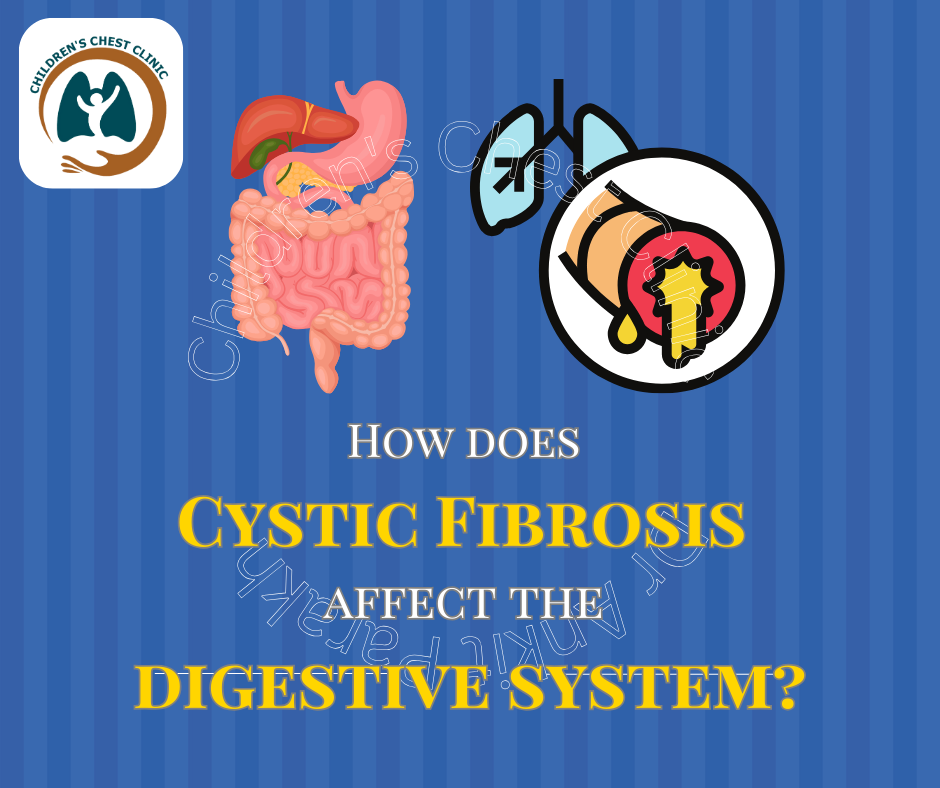
Cystic Fibrosis (CF) is a genetic disorder that primarily affects the lungs but also has significant impacts on the digestive system. Gastrointestinal (GI) problems are common in children with CF due to the thick, sticky mucus that blocks the pancreatic ducts and intestines, leading to malabsorption, malnutrition, and digestive complications. Managing these GI issues is crucial to ensuring proper growth, development, and overall well-being in children with Cystic Fibrosis (CF) .
Common Gastrointestinal Problems in Cystic Fibrosis (CF)
1. Pancreatic Insufficiency
Most children with CF have pancreatic insufficiency, where thick mucus blocks the pancreatic ducts, preventing the release of digestive enzymes. This leads to poor digestion and absorption of fats, proteins, and fat-soluble vitamins (A, D, E, and K), causing:
-
Frequent, greasy, and foul-smelling stools (steatorrhea)
-
Poor weight gain and growth
-
Vitamin deficiencies
Management: Pancreatic enzyme replacement therapy (PERT) is essential for digestion, along with a high-calorie, high-fat diet supplemented with fat-soluble vitamins.
2. Meconium Ileus
Meconium ileus is a bowel obstruction seen in newborns with CF, caused by thick, sticky meconium in the intestines. It can lead to severe complications such as intestinal perforation and peritonitis if untreated.
Management: Treatment includes enemas, intestinal irrigation, or in severe cases, surgical intervention.
3. Distal Intestinal Obstruction Syndrome (DIOS)
DIOS occurs when thick mucus and undigested food block the small intestine, causing:
-
Abdominal pain and cramping
-
Bloating and distension
-
Constipation or partial obstruction
Management: Adequate hydration, proper enzyme therapy, osmotic laxatives, and dietary fiber adjustments help prevent and treat DIOS.
4. Gastroesophageal Reflux Disease (GERD)
Children with CF are at higher risk of GERD due to increased abdominal pressure and delayed gastric emptying. Symptoms include:
-
Heartburn and regurgitation
-
Chronic cough or worsening lung symptoms
-
Difficulty swallowing
Management: Lifestyle modifications, acid-suppressing medications, and optimizing enzyme therapy help control GERD symptoms.
5. Liver Disease and Gallbladder Dysfunction
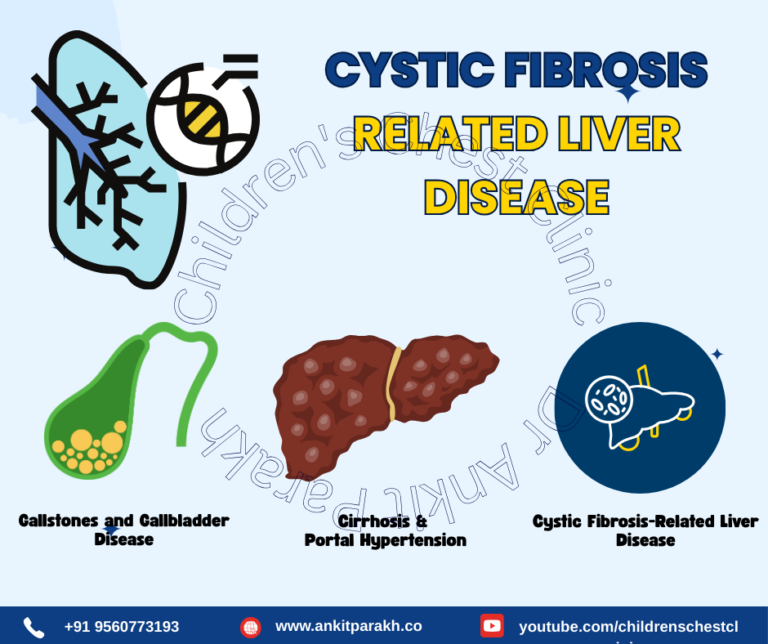
Cystic fibrosis-related liver disease (CFLD) results from thick bile clogging the bile ducts, leading to liver inflammation, fibrosis, and cirrhosis. Gallbladder dysfunction and gallstones are also common.
Management: Regular liver function monitoring, ursodeoxycholic acid therapy, and proper nutritional support are key to managing liver complications in CF.
Nutritional Considerations
Proper nutrition is vital for children with CF to maintain growth and lung health. Recommendations include:
-
High-calorie, high-fat diet
-
Pancreatic enzyme and vitamin supplementation
-
Adequate hydration and fiber intake to prevent GI complications
Gastrointestinal problems in children with Cystic Fibrosis significantly impact their health and quality of life. Early diagnosis and proper management, including enzyme therapy, nutritional support, and medications, help alleviate symptoms and promote healthy growth. Regular monitoring by a multidisciplinary CF care team is essential for optimal outcomes.
Conclusion
Frequently Asked Questions
1. Why do children with Cystic Fibrosis have digestive problems?
Children with CF have thick mucus that blocks pancreatic enzyme release, leading to poor digestion and nutrient absorption.
2. What is pancreatic enzyme replacement therapy (PERT)?
PERT involves taking digestive enzymes with meals to aid in the absorption of fats, proteins, and vitamins.
3. How can constipation be managed in children with CF?
Adequate hydration, enzyme therapy, fiber intake, and laxatives (if needed) help manage constipation and prevent intestinal blockages.
4. What are the signs of Cystic Fibrosis-related liver disease?
Signs include jaundice, enlarged liver, abnormal liver enzymes, and, in severe cases, cirrhosis.
5. Can children with CF eat a normal diet?
Children with CF require a high-calorie, high-fat diet with enzyme supplementation to support growth and lung health.
Related conditions & services
Medical Advice & Clinical Disclaimer
The educational medical guidance provided in this guide is for informational purposes only. It should not be used as a substitute for direct pediatric consultation, physical diagnosis, or clinical prescription. For individualized medical assessment of your child, schedule an appointment with Dr. Ankit Parakh.

Related articles
 Jun 20, 2025
Chest Physiotherapy for Children with Cystic Fibrosis (CF): A Vital Tool for Airway Clearance
Read article
Jun 20, 2025
Chest Physiotherapy for Children with Cystic Fibrosis (CF): A Vital Tool for Airway Clearance
Read article
 May 3, 2025
Cystic Fibrosis-Related Liver Disease: Causes, Symptoms, and Management
Read article
May 3, 2025
Cystic Fibrosis-Related Liver Disease: Causes, Symptoms, and Management
Read article
 May 19, 2025
Cystic Fibrosis-Related Diabetes: Causes, Symptoms, and Management
Read article
May 19, 2025
Cystic Fibrosis-Related Diabetes: Causes, Symptoms, and Management
Read article