On this page 14 sections
- Stridor in Young Babies: Causes, Investigations, and Management
- What is Stridor?
- Causes of Stridor in Babies
- 1. Laryngomalacia
- 2. Vocal Cord Paralysis
- 3. Subglottic Stenosis
- 4. Cystic Lesions
- 5. Tracheomalacia
- Investigating Stridor: How Is It Diagnosed?
- 1. Physical Examination
- 2. Laryngoscopy and Bronchoscopy
- 3. Imaging
- Treatment and Management
- Frequently Asked Questions
Stridor in Young Babies: Causes, Investigations, and Management
As a parent, hearing your newborn make unusual or noisy breathing sounds can be alarming. One such sound is known as stridor. This condition, characterized by high-pitched, wheezing sounds during breathing, is quite common in young infants. In this blog post, we’ll explore the causes of stridor in babies, how it is diagnosed, and the available treatments. The aim of this blog is to focus on causes other than laryngomalacia.
What is Stridor?
Stridor is a noisy breathing sound that typically occurs when there is an obstruction or narrowing in the upper airways (such as the larynx or trachea). This abnormal sound can be heard during inhalation and is often more pronounced when a baby is upset or crying. While stridor may seem alarming to parents, it is not always a sign of a serious condition, but it does require evaluation to determine its cause and appropriate treatment.
Causes of Stridor in Babies
Stridor in newborns or young babies can arise from various causes, ranging from benign conditions to more serious underlying health issues. Some common causes include:
1. Laryngomalacia
This is the most common cause of stridor in newborns. Laryngomalacia is a condition where the tissues of the larynx (voice box) are soft and floppy. As a result, the airway can collapse inward when the baby breathes in, causing a high-pitched sound. This condition typically resolves on its own as the baby grows and the laryngeal tissues become firmer, usually by the time the baby is 18 to 24 months old.
2. Vocal Cord Paralysis
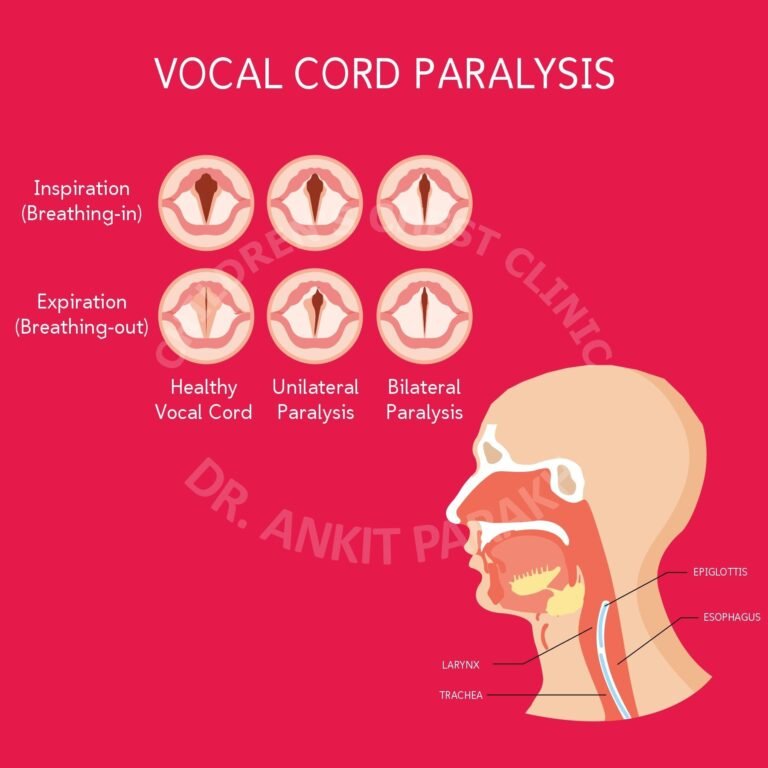
In some cases, stridor may be caused by vocal cord paralysis, which occurs when one or both vocal cords fail to move properly. This can occur due to injury during birth, nerve damage, or other congenital issues. Vocal cord paralysis may require more extensive management, including therapy or even surgery, depending on the severity.
3. Subglottic Stenosis
This condition involves a narrowing of the airway just below the vocal cords. Subglottic stenosis can be congenital or caused by prolonged intubation or trauma during delivery. Babies with subglottic stenosis may exhibit stridor along with other signs of respiratory distress.
4. Cystic Lesions
Sometimes, abnormal growths such as cysts in the airway can cause stridor in infants. The most common is vallecular cyst. These cysts block the airway, leading to noisy breathing and potentially other breathing difficulties. They may require surgical removal if they are obstructing the airway.
5. Tracheomalacia
Tracheomalacia is another condition where the walls of the trachea are soft, leading to airway collapse during exhalation. This condition can cause wheezing and stridor, though it is often more noticeable during exhalation rather than inhalation.
Investigating Stridor: How Is It Diagnosed?
When a baby is diagnosed with stridor, the first step is a thorough evaluation by a pediatric pulmonologist. The doctor will typically begin by asking about the baby’s medical history, including when the stridor first appeared and whether it worsens with feeding, crying, or during sleep.
1. Physical Examination
A complete physical examination of the baby’s upper airway, breathing patterns, and overall health will be conducted. This may help identify any obvious signs of obstruction, infection, or abnormal structure in the airway. The aim of the examination is to identify babies who are sick and have difficulty in breathing, retractions on chest wall or neck, feeding issues and poor weight gain. These babies need urgent referral to a specialist
2. Laryngoscopy and Bronchoscopy
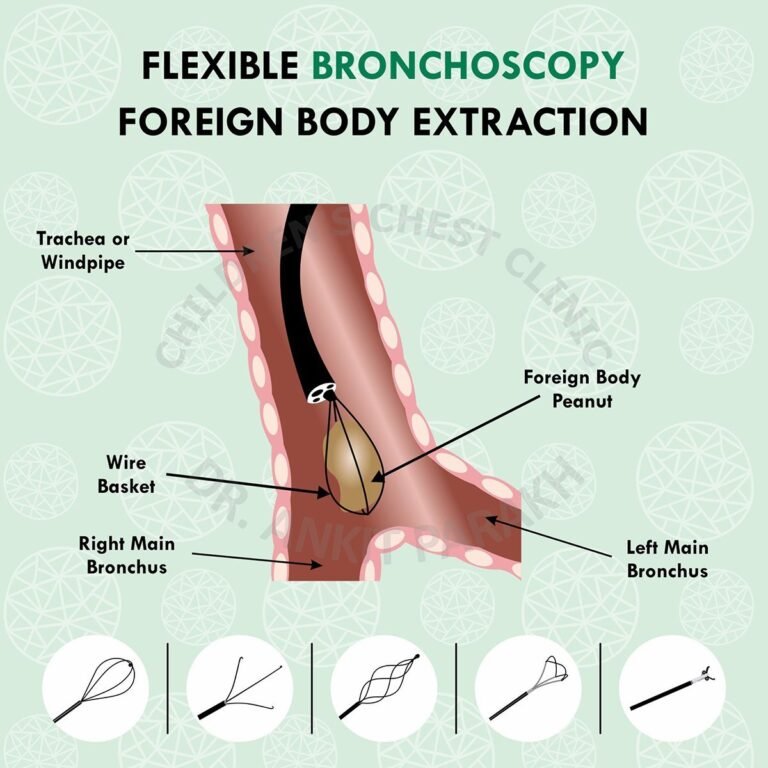
To get a closer look at the airway and identify the underlying cause, a pediatric pulmonologist may recommend a laryngoscopy or bronchoscopy. These procedures involve using a flexible tube with a camera (a scope) to visualize the inside of the larynx, trachea, and bronchi. A bronchoscopy, in particular, is helpful for identifying airway abnormalities, such as subglottic stenosis, vocal cord paralysis, or cystic lesions.
3. Imaging
In some cases, imaging studies such as X-rays, CT scans, or MRI may be recommended to further assess the structure of the airway and identify any structural anomalies that could be causing stridor.
Treatment and Management
The treatment for stridor in babies depends on the underlying cause. In many cases, particularly with laryngomalacia, no treatment is necessary other than careful monitoring. If the condition is more serious, the baby may require additional interventions:
- Surgical Intervention: In cases of severe laryngomalacia, subglottic stenosis, or airway obstructions, surgery may be required to correct the problem.
- Speech or Swallowing Therapy: For issues like vocal cord paralysis, therapy may be necessary to help the baby eat and breathe more comfortably.
- Medications: If an infection or inflammation is contributing to the stridor, medications such as steroids may be prescribed to reduce swelling in the airways.
While stridor can be unsettling for parents, it’s essential to understand that it is not always a sign of something serious. Many babies with stridor have a benign condition that improves over time. However, it’s always crucial to have a pediatric pulmonologist evaluate any case of noisy breathing in infants to rule out any underlying conditions and ensure proper treatment.
Conclusion
Frequently Asked Questions
1. What causes stridor in newborns?
Stridor in newborns is commonly caused by conditions like laryngomalacia, vocal cord paralysis, tracheomalacia, tracheal stenosis or subglottic stenosis. It can also result from airway infections or cystic lesions.
2. Is stridor dangerous for my baby?
In most cases, stridor is not dangerous and resolves on its own, especially if caused by laryngomalacia. However, it’s important to have a pediatric pulmonologist assess the baby to rule out serious conditions.
3. Can stridor go away on its own?
Yes, many cases of stridor, particularly those caused by laryngomalacia, resolve on their own as the baby grows. However, some conditions may require medical or surgical treatment.
4. What is bronchoscopy, and why is it necessary for diagnosing stridor?
Bronchoscopy is a procedure where a flexible tube with a camera is inserted into the airway to examine its structure. It’s used to diagnose conditions like subglottic stenosis, tracheomalacia, or cystic growths causing stridor.
5. How can I help my baby if they are experiencing noisy breathing?
If your baby has noisy breathing, consult a pediatric pulmonologist. Avoid self-diagnosing or treating the condition, as proper evaluation and diagnosis are essential to ensure the right treatment is provided.
Related conditions & services
Medical Advice & Clinical Disclaimer
The educational medical guidance provided in this guide is for informational purposes only. It should not be used as a substitute for direct pediatric consultation, physical diagnosis, or clinical prescription. For individualized medical assessment of your child, schedule an appointment with Dr. Ankit Parakh.