Hand Foot and Mouth Disease in Children
Hand foot and mouth disease in children is a common illness caused by certain viral infections, most often coxsackievirus. While it usually affects children under the age of 10, even infants and older kids can develop the condition. Although the disease may sound alarming, it is generally mild and self-limiting, with most children recovering within a week. Still, it can cause discomfort and sometimes spreads quickly in schools and daycare settings.
What is Hand Foot and Mouth Disease?
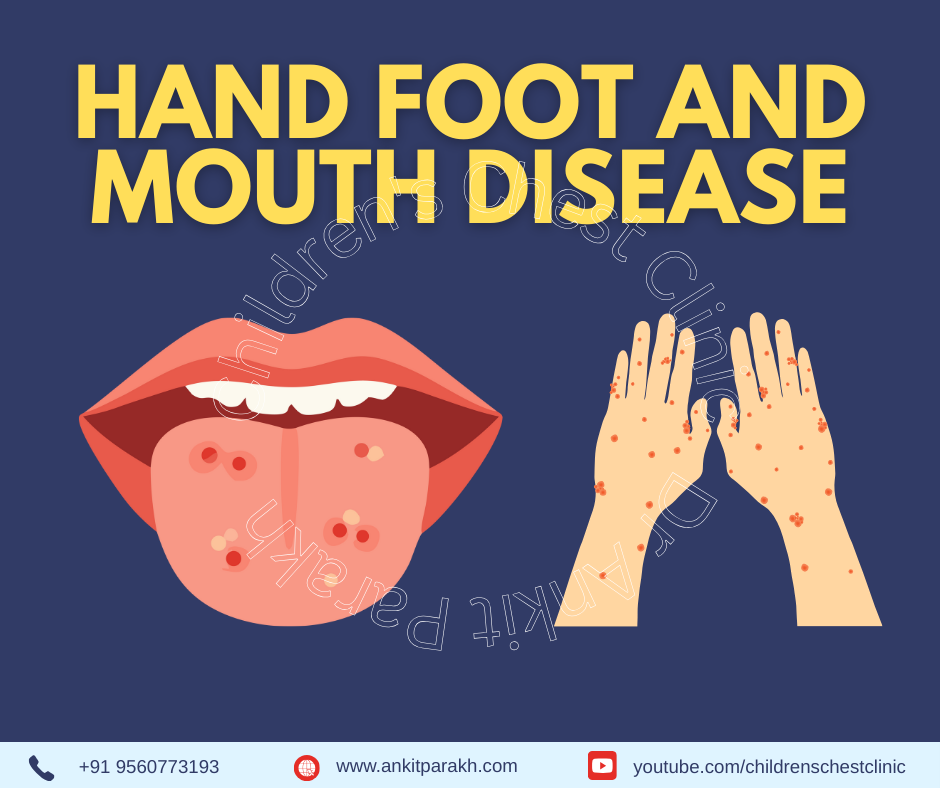
Hand foot and mouth disease (HFMD) is a viral illness characterized by fever, mouth sores, and a distinctive rash on the hands, feet, and sometimes buttocks. The infection is highly contagious and spreads through:
- Saliva, nasal secretions, or throat discharge.
- Blister fluid or stool of an infected person.
- Close contact in schools, playgrounds, or households.
Symptoms of Hand Foot and Mouth Disease in Children
The illness usually begins with mild, flu-like symptoms, followed by visible rashes and sores. Common signs include:
- Fever and sore throat.
- Painful mouth ulcers that may make eating difficult.
- Red spots or blisters on palms, soles, and sometimes buttocks.
- Irritability and reduced appetite.
Symptoms typically last 5–7 days and improve without medical treatment.
Why is Hand Foot and Mouth Disease Common in Children?
Children are more vulnerable because their immune systems are still developing. Crowded settings like preschools and daycare centers make the spread of viral infections much easier. Adults can also get infected, but the illness is usually milder.
Treatment and Care at Home
There is no specific antiviral treatment for hand foot and mouth disease in children. Supportive care helps ease symptoms and keep the child comfortable:
- Ensure adequate hydration—cold fluids, soups, or smoothies may help.
- Give soft foods to reduce discomfort from mouth ulcers.
- Use doctor-prescribed pain relievers or fever medicines if needed.
- Maintain good hygiene to prevent spread to siblings or classmates.
When to See a Doctor
Although HFMD is generally mild, parents should seek medical attention if:
- The child has persistent high fever.
- Symptoms last beyond 7–10 days.
- The child shows signs of dehydration (reduced urination, lethargy).
- There are severe ulcers or a widespread rash.
Prevention of Hand Foot and Mouth Disease
Since HFMD spreads easily, prevention is key:
- Encourage frequent handwashing with soap and water.
- Disinfect toys and surfaces regularly.
- Avoid close contact with infected children until recovery.
Conclusion
Hand foot and mouth disease in children is a common viral illness that usually resolves on its own with proper care and hygiene. While it can be uncomfortable for children, parents can manage most cases at home with supportive treatment. Understanding its symptoms, spread, and prevention helps protect children and reduces outbreaks in schools and communities.
Frequently Asked Questions
What causes hand foot and mouth disease in children?
It is caused by viral infections, most commonly coxsackievirus.
How long does hand foot and mouth disease last?
Most children recover within 5–7 days.
Is hand foot and mouth disease contagious?
Yes, it spreads easily through saliva, stool, and contact with infected surfaces.
Can adults get hand foot and mouth disease?
Yes, adults can be infected, but the symptoms are usually milder than in children.
How can I prevent my child from getting hand foot and mouth disease?
Frequent handwashing, disinfecting toys, and keeping sick children home from school can help prevent spread.
Medical Advice & Clinical Disclaimer
The educational medical guidance provided in this guide is for informational purposes only. It should not be used as a substitute for direct pediatric consultation, physical diagnosis, or clinical prescription. For individualized medical assessment of your child, schedule an appointment with Dr. Ankit Parakh.
