On this page 6 sections
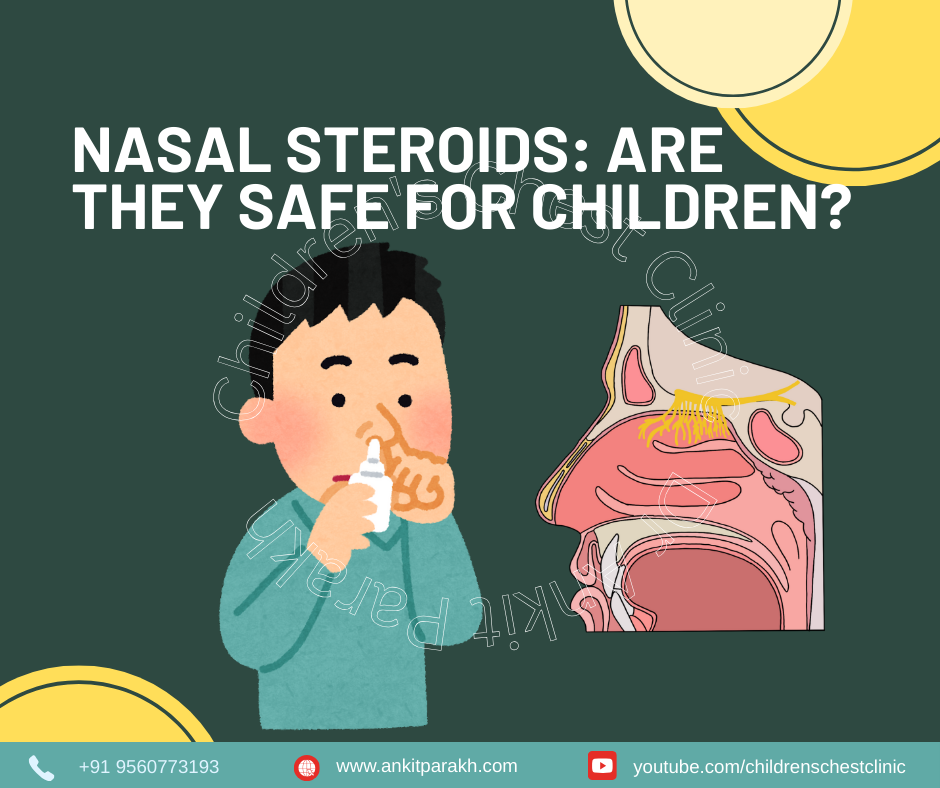
Allergic rhinitis is one of the most common conditions seen in children, leading to symptoms such as nasal congestion, runny nose, sneezing, and itching. These symptoms can significantly affect sleep, school performance, and overall quality of life. For many children, nasal steroids (intranasal corticosteroids) are the mainstay of treatment, providing effective relief from bothersome symptoms. However, one of the most frequent questions parents ask is: Are nasal steroids safe in children in the long term?
Why are Nasal Steroids Needed?
Children with allergic rhinitis often struggle with persistent nasal blockage, recurrent colds, and poor sleep quality. This can affect attention in school and participation in daily activities. Antihistamines may help some children, but when symptoms are moderate to severe or persistent, nasal steroids are considered the most effective therapy. They work by reducing inflammation inside the nose, thereby:
- Relieving nasal congestion
- Reducing sneezing and itching
- Preventing complications such as sinusitis or ear infections
How Do Nasal Steroids Improve Quality of Life?
Research shows that children using nasal steroids regularly experience:
- Better sleep due to reduced nasal obstruction
- Improved concentration and school performance
- Relief from fatigue and daytime irritability
- Fewer doctor visits for recurrent nasal symptoms
By targeting the underlying inflammation, nasal steroids not only control symptoms but also restore normal day-to-day functioning.
What Does Long-Term Data Show About Safety?
Parents often worry about potential side effects such as slowed growth or hormonal effects. The good news is that extensive long-term studies have shown that nasal steroids are safe in children when used at recommended doses:
- Growth: Most studies show no significant impact on overall growth when monitored appropriately.
- Systemic absorption: Modern nasal steroids have minimal absorption into the bloodstream, making side effects extremely rare.
- Local effects: Mild irritation, dryness, or occasional nosebleeds may occur but are usually temporary and manageable.
With regular medical follow-up and correct technique of use, nasal steroids remain a safe long-term option for children.
Key Tips for Parents
- Use nasal steroids only under a doctor’s guidance
- Teach children the correct technique to spray away from the nasal septum
- Stick to the lowest effective dose for symptom control
- Ensure regular follow-up for monitoring growth and overall health
Conclusion
Nasal steroids are the most effective treatment for persistent allergic rhinitis in children. Long-term data confirms that, when used correctly, they are both safe and beneficial. By improving sleep, school performance, and quality of life, nasal steroids can make a real difference in a child’s daily well-being. Parents can feel reassured that these medications, under proper supervision, are safe for long-term use.
Frequently Asked Questions
1. Are nasal steroids safe for children to use daily?
Yes, when prescribed at the correct dose, daily use is safe and effective for controlling allergic rhinitis symptoms.
2. Do nasal steroids affect growth in children?
Long-term studies show no significant effect on overall growth when children are monitored regularly.
3. Can nasal steroids be stopped once symptoms improve?
Yes, they may be tapered or stopped under medical advice, but many children need them during allergy seasons.
4. Are nasal steroids addictive?
No, nasal steroids are not addictive and can be safely used as recommended.
5. What are the common side effects of nasal steroids?
Mild nasal irritation or occasional nosebleeds may occur, but serious side effects are rare.
Related conditions & services
Medical Advice & Clinical Disclaimer
The educational medical guidance provided in this guide is for informational purposes only. It should not be used as a substitute for direct pediatric consultation, physical diagnosis, or clinical prescription. For individualized medical assessment of your child, schedule an appointment with Dr. Ankit Parakh.