On this page 8 sections
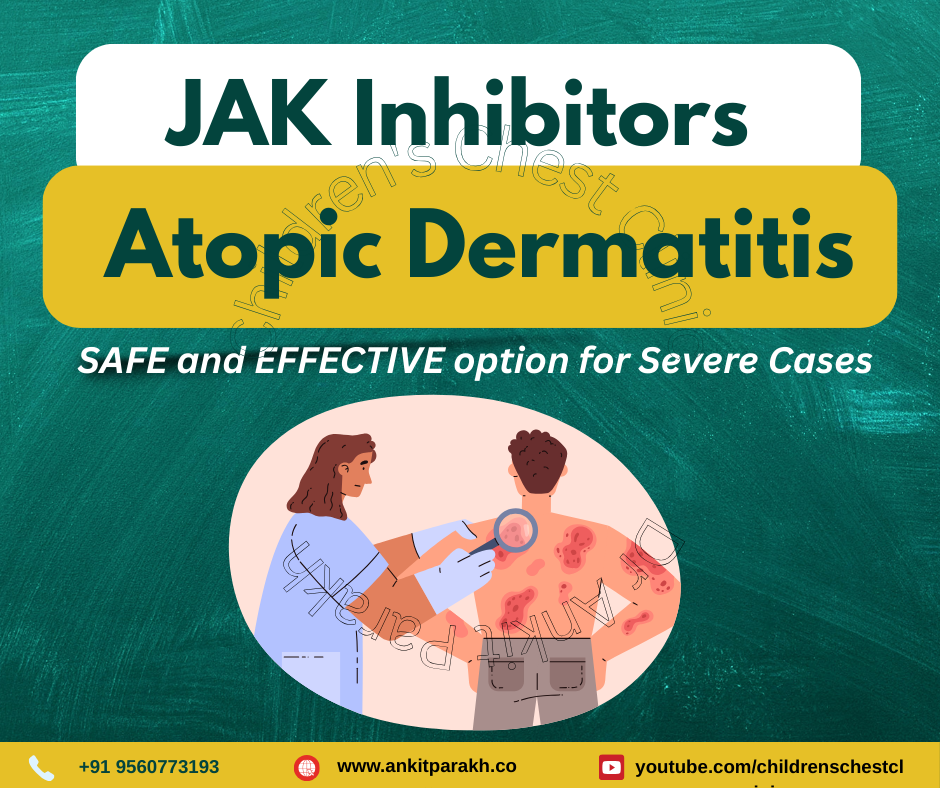
Atopic dermatitis (eczema) is a chronic, inflammatory skin condition that causes severe itching, redness, and skin dryness. While many children respond well to moisturizers, topical steroids, and other standard treatments, some suffer from severe atopic dermatitis that remains unresponsive. For these children, newer targeted therapies such as JAK inhibitors are offering hope.
What Are JAK Inhibitors?
JAK inhibitors (Janus Kinase inhibitors) are a class of oral or topical medications that block specific pathways in the immune system responsible for inflammation. By interrupting these signals, they help reduce skin inflammation, itching, and flare-ups in atopic dermatitis.
Available Oral and Topical JAK Inhibitors
Currently, several JAK inhibitors are being used or studied for atopic dermatitis. Oral JAK inhibitors such as upadacitinib and abrocitinib are approved for moderate to severe cases and provide rapid, systemic control of symptoms. Topical JAK inhibitors, like ruxolitinib cream, offer targeted therapy for localized eczema patches with fewer systemic side effects. The choice between oral and topical options depends on the severity, extent of skin involvement, and the child’s overall health profile.
Why Are JAK Inhibitors Considered in Severe Atopic Dermatitis?
Children with severe atopic dermatitis often experience:
- Persistent itching that disturbs sleep and school performance
- Recurrent skin infections due to scratching and broken skin
- Emotional distress from visible skin changes
- Poor response to traditional therapies such as emollients, topical steroids, and even systemic treatments
For these unresponsive cases, JAK inhibitors offer a targeted and effective alternative by addressing the root immune imbalance rather than only controlling symptoms.
Efficacy of JAK Inhibitors in Atopic Dermatitis
Clinical studies and real-world use have shown that JAK inhibitors:
- Rapidly reduce itching – often within the first week of use
- Improve skin clearance – leading to significant reductions in eczema severity scores
- Enhance quality of life – better sleep, fewer flare-ups, and improved daily activity
- Work when other therapies fail – particularly helpful for children unresponsive to standard treatments
Some JAK inhibitors are available as oral tablets and others as topical creams, making them versatile options depending on the severity of the disease.
Safety and Monitoring
While JAK inhibitors are effective, they require careful use. Potential side effects may include increased risk of infections, changes in blood counts, or cholesterol levels. Hence, children on JAK inhibitors need regular medical follow-up and monitoring under the guidance of a pediatric allergist or dermatologist.
When Should Parents Consider JAK Inhibitors?
- When moderate to severe atopic dermatitis does not improve with routine skincare, topical medicines, or standard systemic therapies
- If the child’s daily life is significantly affected by itching, lack of sleep, or poor school performance
Conclusions
JAK inhibitors are a promising treatment for children with severe atopic dermatitis unresponsive to standard therapies. They offer fast relief, improved skin clearance, and better quality of life, but require specialist supervision and monitoring to ensure safe use.
Frequently Asked Questions (FAQs)
Frequently Asked Questions
1. What exactly are JAK inhibitors?
They are medicines that block Janus Kinase (JAK) pathways in the immune system, reducing inflammation and controlling atopic dermatitis symptoms.
2. Are JAK inhibitors safe for children?
Yes, when prescribed by specialists with proper monitoring. Regular check-ups and blood tests are important to ensure safety.
3. How quickly do JAK inhibitors work in atopic dermatitis?
Many children experience significant relief in itching within 1–2 weeks, with skin improvement following soon after.
4. Are JAK inhibitors used for mild eczema?
No. They are reserved for moderate to severe cases that do not respond to conventional therapies.
5. What is the long-term outlook for children on JAK inhibitors?
With careful monitoring, JAK inhibitors can provide sustained control, fewer flare-ups, and a much-improved quality of life for children with severe, unresponsive eczema.
Related conditions & services
Medical Advice & Clinical Disclaimer
The educational medical guidance provided in this guide is for informational purposes only. It should not be used as a substitute for direct pediatric consultation, physical diagnosis, or clinical prescription. For individualized medical assessment of your child, schedule an appointment with Dr. Ankit Parakh.