Our eyes are widely exposed to allergens in the outside environment. Children with an underlying tendency of allergy develop eye inflammation caused by an allergic reaction to substances or allergens. The inside of the eyelids and the covering of the eyeballs have a membrane called the conjunctiva. The conjunctiva is susceptible to irritation from allergies. Allergic conjunctivitis is usually associated with other allergies like allergic nose or allergic rhinitis and asthma. Allergic conjunctivitis can have a lot of impact on the quality of life of a child.
What are the most common symptoms of allergic conjunctivitis?
The most common symptoms of allergic conjunctivitis in children are tearing, itching, redness and edema or swelling in the eyes. Other symptoms of allergic conjunctivitis in children are stinging, burning and a clear watery discharge. Some children have seasonal symptoms especially in pollen months while some children have year around symptoms.
Vernal keratoconjunctivitis is an advanced stage of disease where the cornea can get involved and requires early and proper diagnosis.

What investigations are required in children with allergic conjunctivitis?
Eye examination is the most important investigation required for the diagnosis of allergic conjunctivitis.
Investigations are required to identify the specific allergens (substance to which the child is allergic) causing allergic conjunctivitis. Aeroallergens are the allergens which are present in the child’s environment (home, school or outside environment) are the usual cause of allergic conjunctivitis. The common indoor aeroallergens are dust mites, moulds or fungus, cockroach, cat and dog dander. The common outdoor aeroallergens are pollen of trees, weeds and grasses.
How do we treat children with allergic conjunctivitis?
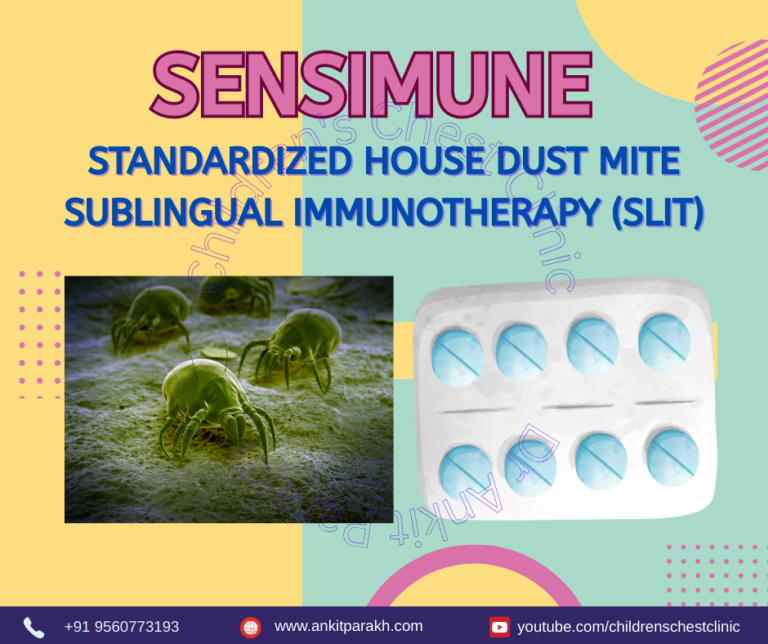
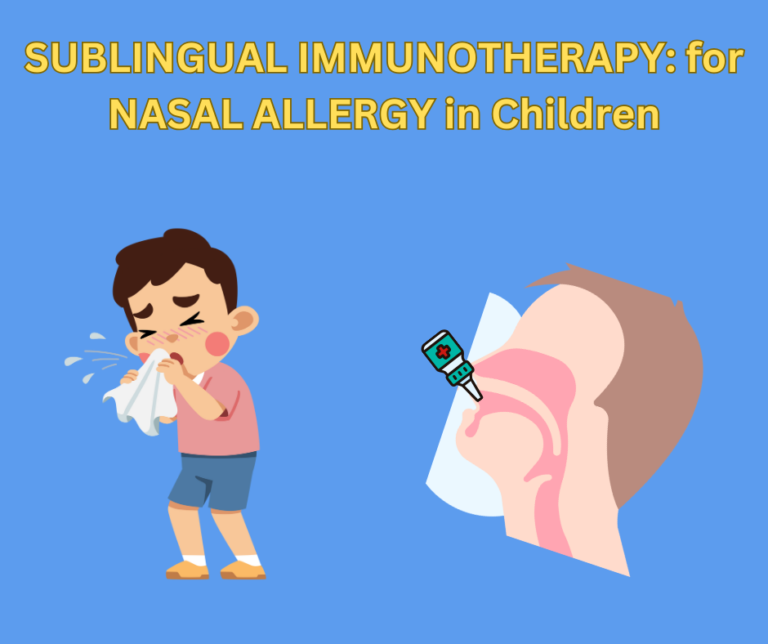
The aims of treatment of allergic rhinitis are to minimize, or at least reducing, itching, redness, tearing, and edema of the conjunctiva and eyelids. Ocular surface lubricating agents or artificial tears help in diluting and removing antigens and inflammatory mediators from the eye. In addition artificial tears help in soothing irritation. The most commonly used medicine in children with allergic conjunctivitis is a topical dual antihistamine and mast cell stabilizers like Olopatadine and Bepotastine. Nonsteroidal anti- inflammatory drugs like ketorolac are also used sometimes. Topical eye specific products like Loteprednol are very useful for short term use. Children having persistent and problematic allergic conjunctivitis benefit from Immunotherapy or desensitization.
Related conditions & services
Medical Advice & Clinical Disclaimer
The educational medical guidance provided in this guide is for informational purposes only. It should not be used as a substitute for direct pediatric consultation, physical diagnosis, or clinical prescription. For individualized medical assessment of your child, schedule an appointment with Dr. Ankit Parakh.