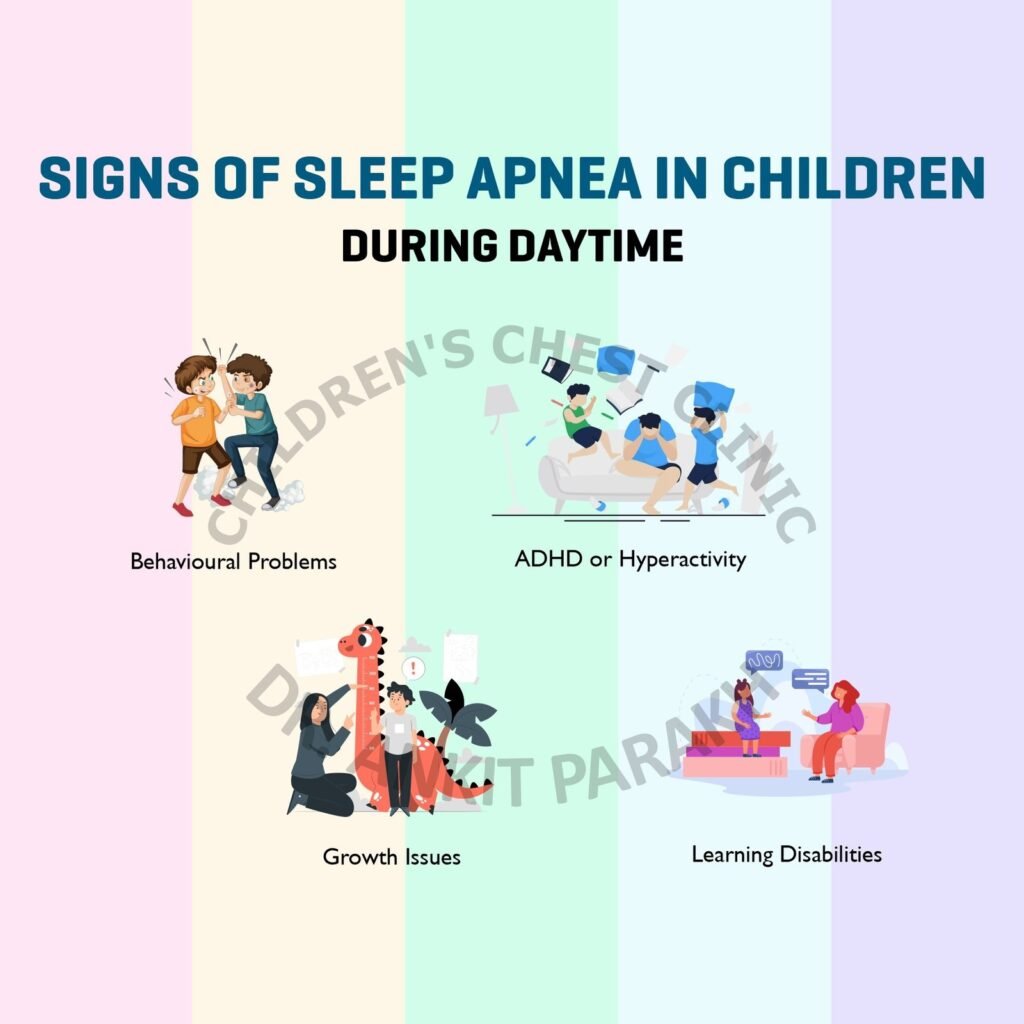
Obstructive Sleep apnea (OSA) leads to significant problems in children but is under-recognized and frequently overlooked. Numerous research has shown that children with Obstructive Sleep apnea (OSA) can have effects related to behavioral, neurologic, and medical domains. Obstructive Sleep apnea (OSA) leads to night time symptoms such as snoring and restless sleep. It is now increasingly being recognized that many children with Obstructive Sleep apnea (OSA) have daytime symptoms which can be subtle and easily overlooked.
Why do children with Obstructive Sleep apnea (OSA) develop day time symptoms?
Children with Obstructive Sleep apnea (OSA) have repeated awakenings leading to a poor sleep quality. Hence, children with Obstructive Sleep apnea (OSA) do not get a normal restorative sleep.
What are the common daytime symptoms of Obstructive Sleep apnea (OSA) in children?
Children and adolescents with Obstructive Sleep apnea (OSA) can develop excessive daytime sleepiness similar to adults. They can sleep off during their school trip on the bus or even during classes. Children with Obstructive Sleep Apnea (OSA) get difficulty in waking in the morning, don’t feel refreshed and can have morning headaches. Children with Obstructive Sleep apnea (OSA) feel fatigued during the day.
The most robust data for sequelae of Obstructive Sleep apnea (OSA) is neurocognitive in children. Children with Obstructive Sleep apnea (OSA) become hyperactive, aggressive and irritable. Children with Obstructive Sleep apnea (OSA) can show symptoms similar to attention-deficit/hyperactivity disorder (ADHD). Hence, all children with attention-deficit/hyperactivity disorder (ADHD) like symptoms should be evaluated for Obstructive Sleep apnea (OSA). School going children with Obstructive Sleep apnea (OSA) can have a reduced academic performance with decreases in verbal fluency, analytical thinking, visual spatial skills, and mathematical abilities.
Children with Obstructive Sleep apnea (OSA) are also found to have poor growth with low height and weight.

How do we diagnose Obstructive Sleep apnea (OSA) in children?
In children with any of the above mentioned daytime symptoms a very high index of suspicion for Obstructive Sleep apnea (OSA) should be kept. Doctors also need to be astute to the daytime symptoms and should evaluate the child in detail for an opportunity to ask about snoring and other night time symptoms suggesting sleep apnea. Polysomnography or Sleep Study is required for diagnosis of Obstructive Sleep apnea (OSA) and assess its severity.
If your child has any daytime symptoms suggesting Obstructive Sleep apnea (OSA) you need to get in touch with a pediatric sleep specialist for proper evaluation, need for a sleep study and treatment.
Related conditions & services
Medical Advice & Clinical Disclaimer
The educational medical guidance provided in this guide is for informational purposes only. It should not be used as a substitute for direct pediatric consultation, physical diagnosis, or clinical prescription. For individualized medical assessment of your child, schedule an appointment with Dr. Ankit Parakh.

Related articles
 Jan 31, 2026
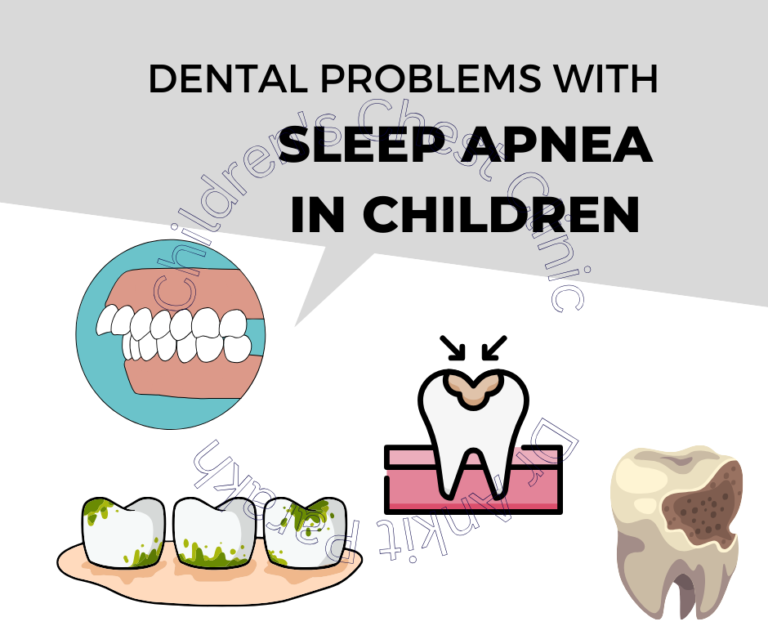
Dental Problems in Children with Obstructive Sleep Apnea (OSA)
Read article
Jan 31, 2026
Dental Problems in Children with Obstructive Sleep Apnea (OSA)
Read article
 Jul 30, 2025
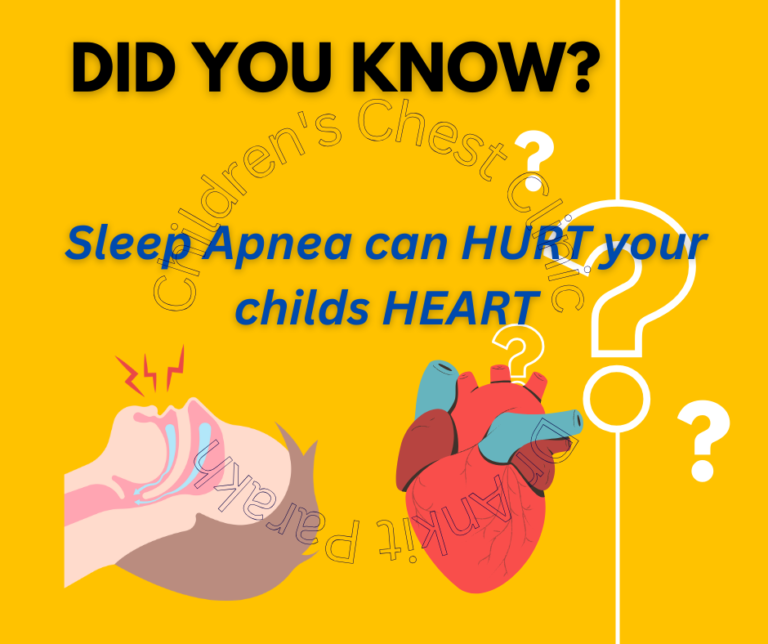
Do You Know:” Sleep Apnea in Children can lead to Cardiac complications?
Read article
Jul 30, 2025
Do You Know:” Sleep Apnea in Children can lead to Cardiac complications?
Read article
 Jan 19, 2024
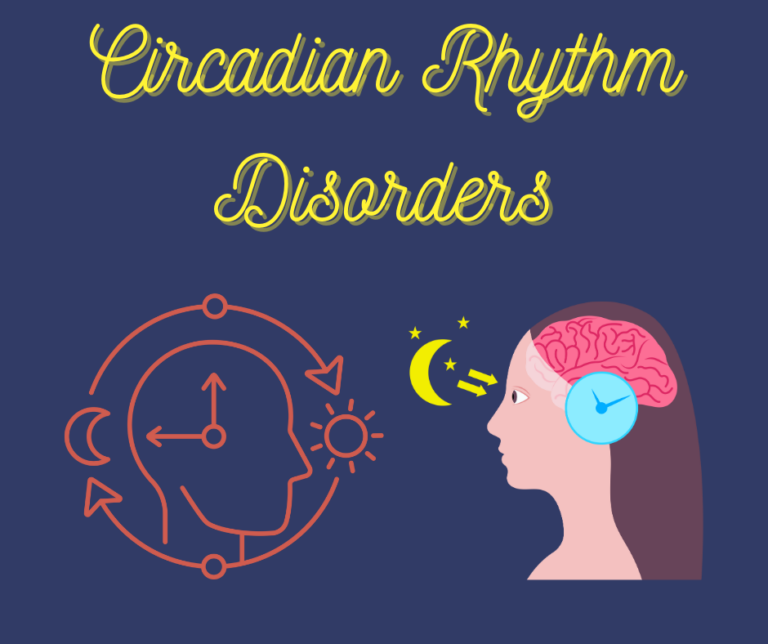
Circadian Rhythm Disorders or Sleep-Wake Cycle Disorders: An important cause of irregular sleep pattern in children!
Read article
Jan 19, 2024
Circadian Rhythm Disorders or Sleep-Wake Cycle Disorders: An important cause of irregular sleep pattern in children!
Read article