On this page 6 sections
Sleep tantrums can turn bedtime into a daily struggle for many parents of toddlers. Just when you’re ready to wind down, your little one might resist sleep with tears, screams, or even full-blown meltdowns. If this sounds familiar, you’re not alone. In this post, we’ll explore why these tantrums happen, what they mean, and most importantly, how you can reduce or even prevent them.
What Are Sleep Tantrums?
Sleep tantrums are emotional outbursts that occur during bedtime or just before sleep. Unlike typical daytime tantrums, these are often triggered by tiredness, overstimulation, or changes in routine. For toddlers, who are still learning how to regulate emotions and transition between activities, bedtime can feel overwhelming.
Why Do Toddlers Have Sleep Tantrums?
Here are some common reasons toddlers resist sleep:
- Overtiredness: Skipping naps or late bedtimes can lead to meltdowns.
- Separation anxiety: Toddlers may not want to be apart from parents at night.
- Lack of routine: Inconsistent sleep times confuse their internal clock.
- Desire for independence: Saying “no” to bedtime is often their way of asserting control.
Understanding the cause is the first step toward managing the tantrums effectively.
Tips and Tricks to Handle Toddler Sleep Tantrums
1. Establish a Consistent Bedtime Routine
A predictable sequence of calming activities (like a warm bath, reading a book, and dimming the lights) helps signal to your toddler that bedtime is near. Routines build security and reduce resistance.
2. Watch for Sleep Cues
Yawning, rubbing eyes, and crankiness are signs that your toddler is getting sleepy. Putting them to bed at the right time—before they’re overtired—can prevent tantrums.
3. Offer Choices
Giving your toddler simple choices (“Which pajamas do you want?” or “Which book should we read?”) allows them to feel in control, making bedtime smoother.
4. Create a Sleep-Friendly Environment
Ensure the bedroom is dark, cool, and quiet. Using white noise or blackout curtains can help eliminate distractions that might trigger tantrums.
5. Stay Calm and Consistent
Even if your toddler throws a tantrum, respond calmly and stick to the routine. Avoid giving in to unreasonable demands, which can reinforce the behavior.
When to See a Child Sleep Specialist
If your toddler’s sleep tantrums are:
- Lasting longer than 30 minutes regularly
- Causing sleep disruptions multiple times a night
- Affecting daytime behavior or mood
…it may be time to consult a Child Sleep Specialist. Persistent sleep issues can impact not just your child’s health, but the whole family’s well-being.
Conclusion
Dealing with sleep tantrums can be exhausting, but with the right strategies and support, bedtime can become a peaceful part of your toddler’s day. Remember, consistency and patience go a long way. If you’re concerned about your toddler’s sleep, do consult a child sleep specialist.
FAQs About Toddler Sleep Tantrums
Frequently Asked Questions
1. Are sleep tantrums normal in toddlers?
Yes, occasional sleep tantrums are very common and typically part of normal toddler development.
2. How can I tell if my child is overtired?
Signs include crankiness, hyperactivity, and difficulty settling down for sleep.
3. Should I let my toddler “cry it out” during a sleep tantrum?
Every child is different. Controlled crying may work for some, but others respond better to gentle reassurance. Speak to a specialist for tailored advice.
4. Can screen time before bed cause sleep tantrums?
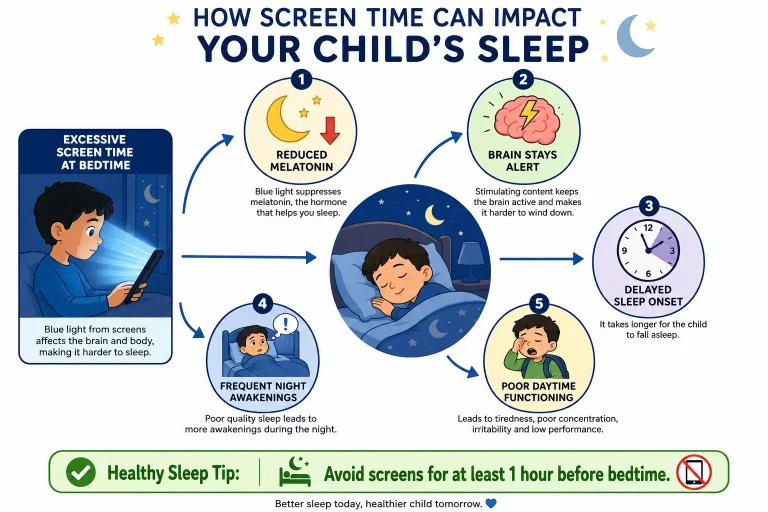
Yes, screens can overstimulate toddlers. It’s best to avoid screens at least an hour before bedtime.
5. When should I seek professional help for sleep tantrums?
If tantrums are frequent, intense, or affecting daytime behavior, it’s best to consult a child sleep specialist.
Related conditions & services
Medical Advice & Clinical Disclaimer
The educational medical guidance provided in this guide is for informational purposes only. It should not be used as a substitute for direct pediatric consultation, physical diagnosis, or clinical prescription. For individualized medical assessment of your child, schedule an appointment with Dr. Ankit Parakh.