On this page 4 sections
Watching your child struggle to breathe—rushing to the emergency room, seeing them hooked up to nebulizers, oxygen, and intravenous steroids—is one of the most frightening experiences any parent can face. Once the crisis passes and you bring your child home, relief often mixes with anxiety: Will this happen again?
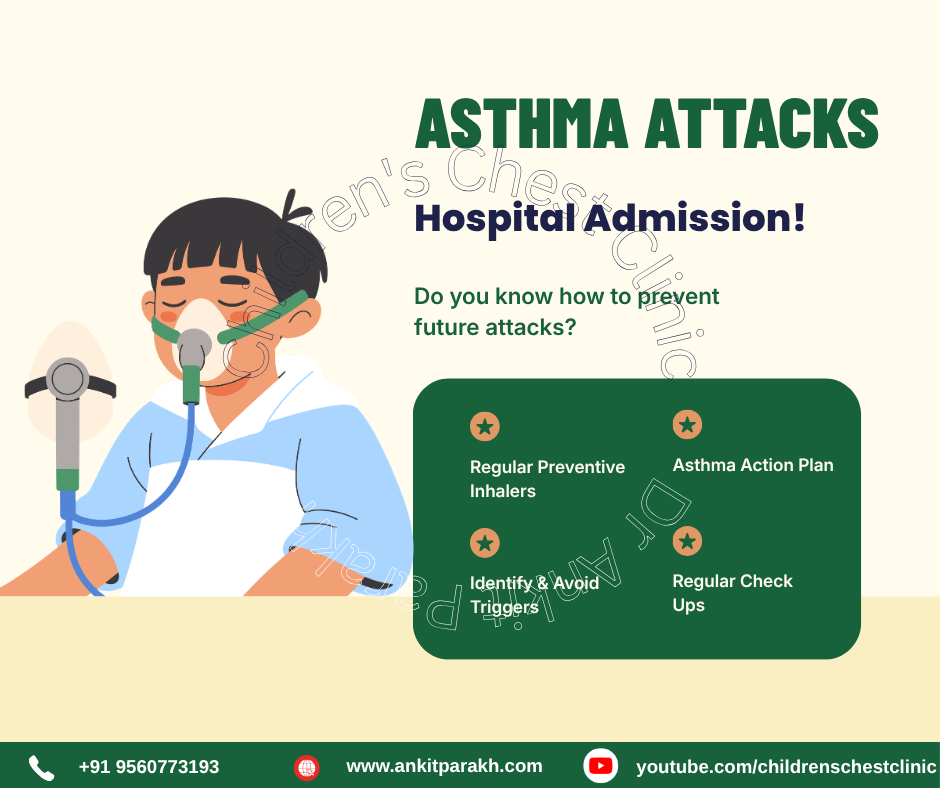
The short answer is no, it does not have to. In pediatric respiratory medicine, a recent hospitalization is viewed as a critical red flag—not an unavoidable part of having asthma. With the right medical strategy, proper inhaler technique, and trigger control, the vast majority of future Asthma Attacks in Children and repeat Hospital Admissions are entirely preventable.
Why Hospital Admissions Happen: Understanding the “Asthma Iceberg”
Many parents assume that if their child runs, plays, and breathes normally between episodes, their asthma is “mild” or “gone.” In reality, asthma behaves like an iceberg:
- Above the Surface (Acute Symptoms): Wheezing, coughing, chest tightness, and breathlessness that require a rescue inhaler or emergency visit.
- Below the Surface (Chronic Airway Inflammation): Ongoing, silent swelling and hyperresponsiveness inside the bronchial tubes—even on days when your child seems completely healthy.
When this underlying inflammation goes untreated, a routine viral cold, a spike in air pollution, or exposure to house dust mites acts like a spark on dry tinder, triggering rapid airway narrowing and severe Asthma Attacks in Children.
6 Proven Steps for the Prevention of Future Asthma Attacks
A single hospitalization significantly increases the statistical risk of another admission within the next 12 months—unless decisive changes are made right after discharge. Here is a step-by-step Prevention roadmap every parent should follow:
1. Book a Dedicated Post-Discharge Review Within 1 to 2 Weeks
Emergency room care stabilizes the immediate breathing crisis, while oral steroids calm the acute flare. However, true long-term Prevention requires a thorough follow-up with a pediatric pulmonologist or asthma specialist within 7 to 14 days of discharge. During this visit, your doctor will:
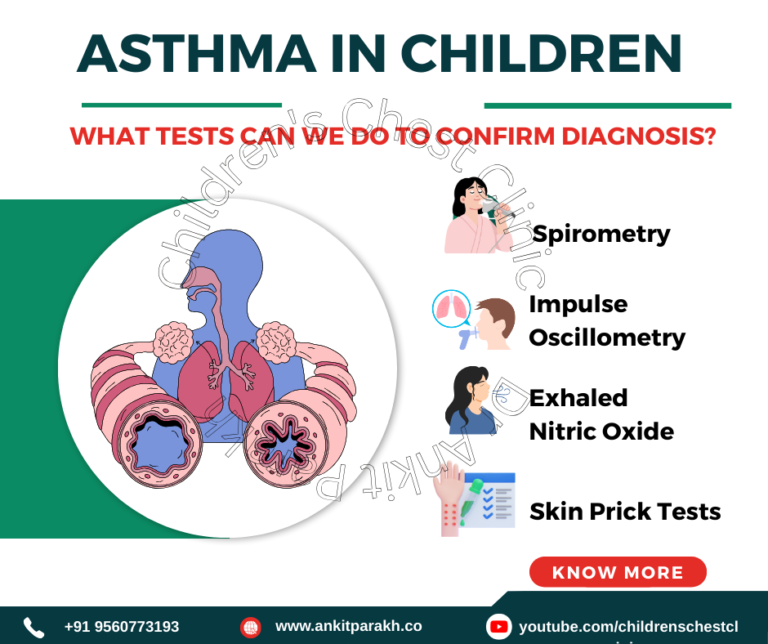
- Assess lung function (via spirometry or impulse oscillometry in cooperative children).
- Adjust your child’s daily maintenance (“preventer”) therapy.
- Identify hidden triggers that led to the hospitalization.
2. Commit to Daily Controller (“Preventer”) Inhalers
The single biggest reason for repeat Hospital Admissions is stopping daily controller inhalers (usually low-dose inhaled corticosteroids) once the child feels better.
- Rescue inhalers (like salbutamol/levosalbutamol) act like fire extinguishers—they relax tight airway muscles during an attack, but they do not heal underlying inflammation.
- Controller inhalers act like fireproofing—taken daily as prescribed, they shrink airway swelling, reduce mucus, and prevent the lungs from overreacting to triggers.
3. Master Your Child’s Inhaler and Spacer Technique
Even the best asthma medicine will not work if it ends up on the tongue or back of the throat instead of inside the small airways.
- Every child using a metered-dose inhaler (MDI) must use a valved holding chamber (spacer)—with a snug-fitting face mask for younger children (typically under 5–6 years) and a mouthpiece for older children.
- Bring your child’s inhaler and spacer to every clinic visit so your doctor or asthma nurse can verify their technique.
4. Follow a Written Asthma Action Plan
Every child discharged after an asthma flare should go home with a personalized, color-coded Asthma Action Plan:
- Green Zone (Doing Well): No cough, wheeze, or nighttime waking; continue daily controller medicines.
- Yellow Zone (Caution / Early Flare): Mild cough, runny nose or needing a rescue inhaler; specifies exact step-up doses to stop a mild flare before it becomes an emergency.
- Red Zone (Medical Alert): Fast breathing, rib retractions, difficulty speaking, or poor response to rescue puffs; clear instructions on emergency medication and going straight to the hospital.
Share copies of this plan with your child’s school teachers, sports coaches, and caregivers.
5. Control Household and Environmental Triggers
Reducing daily airway irritation lowers the threshold for Asthma Attacks in Children:
- Zero Smoke Exposure: Enforce a strict no-smoking policy in the home and car; avoid incense sticks (agarbatti), mosquito coils, and wood smoke.
- House Dust Mite Control: Use zippered allergen-proof mattress and pillow covers and wash bedsheets weekly in hot water.
- Air Pollution Protection: Track local AQI levels, run a True HEPA air purifier in your child’s bedroom during high-smog days, and avoid strenuous outdoor play when pollution spikes.
6. Stay Current on Annual Flu Vaccination
Viral respiratory infections are the #1 trigger of severe Asthma Attacks in Children. An annual influenza (flu) vaccine significantly lowers the risk of virus-induced flare-ups and asthma-related Hospital Admissions.
Early Warning Signs You Should Never Ignore
Intervening in the first few hours of a flare can save your child an emergency room trip. Start your Yellow Zone protocol immediately if you notice:
- A dry, repetitive cough—especially at night or early morning.
- Subtle whistling sounds when breathing out.
- Tiring quickly during play or laughing.
- Needing a reliever inhaler more than twice a week.
Frequently Asked Questions (FAQs)
1. Why did my child need hospital admission if their asthma was previously mild?
Even children with “mild” or infrequent symptoms can experience sudden, severe Asthma Attacks in Children if a strong trigger—such as a viral infection, sudden weather drop, or severe air pollution—hits airways that have untreated underlying inflammation. A single severe attack is a clear signal that daily preventive care needs to be strengthened.
2. Will my child become addicted to daily asthma inhalers if we use them for Prevention?
No. Inhaled asthma controller medications are not addictive. They deliver microgram doses of anti-inflammatory medicine directly to the lungs—meaning far less medication enters the rest of the body compared to oral tablets or syrups. Using a daily preventer actually reduces the need for high-dose oral steroids and emergency Hospital Admissions.
3. When can my child return to school and sports after being hospitalized for an asthma attack?
Most children can return to school within a few days of discharge once they are sleeping comfortably through the night, breathing easily at rest, and no longer needing rescue inhalers every few hours. Light physical activity can resume gradually once cleared by your doctor; in fact, well-controlled asthma should never stop a child from playing sports.
4. Are home nebulizers better than an inhaler with a spacer after discharge?
For routine home care and mild-to-moderate flares, clinical studies consistently show that a metered-dose inhaler (MDI) used properly with a spacer is just as effective as a nebulizer—and much faster, more portable, and less likely to spread respiratory germs. Nebulizers are generally reserved for infants or severe emergencies under medical guidance.
5. Can children outgrow asthma, or will they need inhalers forever?
Many children experience significant improvement in symptoms as their airways grow larger during adolescence, while others continue to have sensitive airways into adulthood. Regular follow-ups allow your pediatric pulmonologist to gradually step down maintenance medication to the lowest effective dose once your child remains completely attack-free for several months.
If your child was recently hospitalized or visited the emergency room for wheezing or breathlessness, schedule a comprehensive post-discharge asthma evaluation with a pediatric pulmonologist to build a personalized Prevention plan and keep your child safe.
To discuss your child’s care, meet Dr. Ankit Parakh or get in touch with the clinic.
Related conditions & services
Medical Advice & Clinical Disclaimer
The educational medical guidance provided in this guide is for informational purposes only. It should not be used as a substitute for direct pediatric consultation, physical diagnosis, or clinical prescription. For individualized medical assessment of your child, schedule an appointment with Dr. Ankit Parakh.