On this page 12 sections
- Why Should We Take Asthma Seriously?
- Asthma Attacks Can Become Severe Quickly
- A Silent Chest Can Be Dangerous
- Why Do Asthma Hospitalizations Happen?
- Frequent Asthma Attacks Are a Warning Sign
- Controller Medicines Help Prevent Asthma Attacks
- Every Child with Asthma Should Have an Asthma Action Plan
- When Should You Seek Emergency Help?
- Can Asthma Deaths Be Prevented?
- What Should You Do After an Asthma Hospitalization?
- The Most Important Message for Parents
- Frequently Asked Questions About Asthma
Many children and parents think asthma is “just wheezing” or something that can be managed whenever symptoms appear. Some families stop treatment when the child feels better, rely only on a reliever inhaler, or delay seeking help during a severe episode.
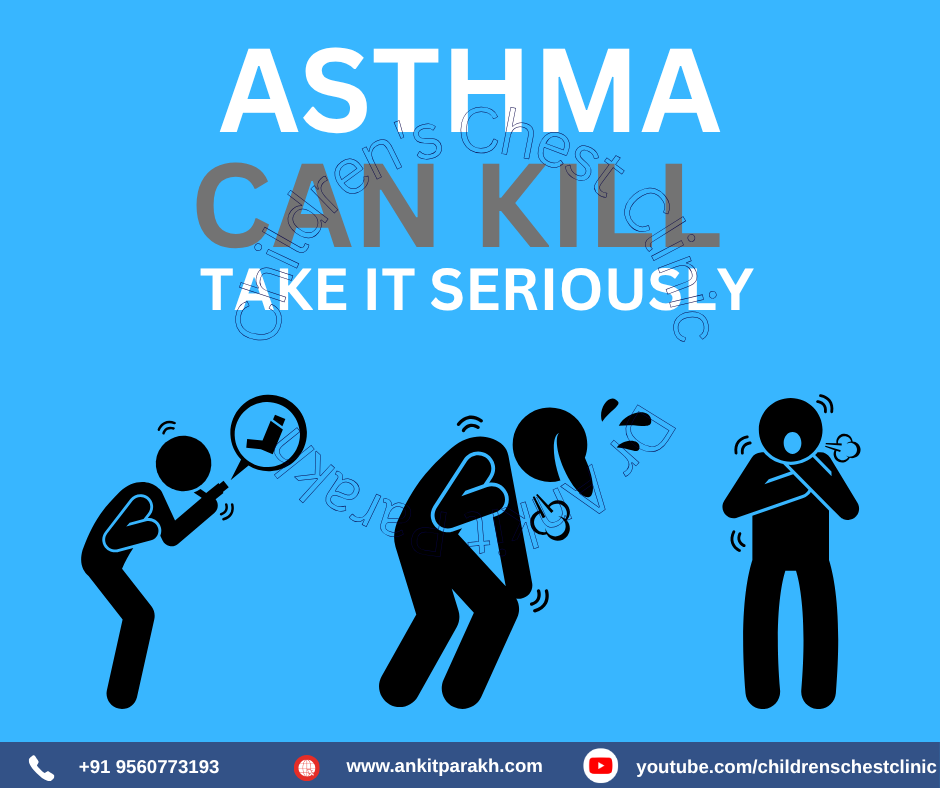
Unfortunately, severe Asthma Attacks can develop rapidly and may become life-threatening. The good news is that most severe asthma outcomes are preventable with the right treatment, regular follow-up, correct inhaler technique, trigger management, and a clear asthma action plan.
Why Should We Take Asthma Seriously?
Asthma is a chronic inflammatory disease of the airways. During an asthma attack, the airways can:
- Become more inflamed
- Narrow due to muscle tightening
- Produce increased mucus
This makes it difficult for air to move in and out of the lungs. A mild episode may cause coughing or wheezing. A severe attack can lead to severe breathlessness, exhaustion, respiratory failure, and, in rare cases, death. The seriousness of asthma is not always obvious from how well a child appears between episodes. A child may be completely active and symptom-free for weeks or months and still be at risk of a severe Asthma Attack if the underlying asthma is not adequately controlled.
“My Child Is Fine Between Attacks”—Does That Mean the Asthma Is Mild?
Not necessarily.
One of the biggest misconceptions about asthma is that a child who has no daily symptoms does not need to worry about asthma. Asthma has two important components:
1. Current Symptom Control
This includes:
- Daytime symptoms
- Night-time coughing or wheezing
- Limitation of activity
- Frequent use of reliever medication
2. Future Risk
Even a child with relatively few symptoms may be at risk of:
- Severe Asthma Attacks
- Emergency department visits
- Asthma Hospitalizations
- Serious complications
Previous severe attacks are particularly important warning signs. If your child has needed emergency treatment, hospital admission, intensive care, or repeated oral steroids for asthma, the future risk should be taken seriously.
Asthma Attacks Can Become Severe Quickly
An asthma attack may begin with:
- Increased coughing
- Wheezing
- Chest tightness
- Shortness of breath
- Reduced ability to exercise
But symptoms can worsen.
Warning signs of a severe attack include:
- Difficulty speaking in full sentences
- Marked breathlessness
- Rapid breathing
- Visible pulling in of the chest or neck muscles
- Inability to eat or drink because of breathlessness
- Increasing tiredness or exhaustion
- Poor response to the reliever inhaler
A Silent Chest Can Be Dangerous
Parents often think that louder wheezing means more severe asthma. However, in a very severe Asthma Attack, airflow may become so limited that there is little wheeze or even a “silent chest.”A child who is becoming very quiet, exhausted, confused, drowsy, or has difficulty breathing needs urgent emergency assessment.
Why Do Asthma Hospitalizations Happen?
Asthma Hospitalizations may occur when symptoms become severe enough that the child requires intensive treatment and monitoring.
Common reasons for poor asthma control and severe exacerbations include:
- Not taking prescribed controller medication regularly
- Incorrect inhaler technique
- Over-reliance on reliever medication
- Stopping treatment because the child feels better
- Poor recognition of worsening symptoms
- Delayed medical attention during a severe attack
- Exposure to important triggers
- Viral respiratory infections
- Tobacco smoke or other air pollutants
- Uncontrolled allergic rhinitis or other associated conditions
Sometimes, a severe attack can occur despite apparently good treatment. This is why every child with asthma needs regular reassessment.
Frequent Asthma Attacks Are a Warning Sign
If your child repeatedly experiences Asthma Attacks, it is important not to simply treat each episode and wait for the next one.
Repeated attacks should trigger a review of:
- Is the diagnosis correct?
- Is the child taking the controller medicine regularly?
- Is the inhaler technique correct?
- Is the dose appropriate?
- Are there avoidable triggers?
- Does the child have allergic rhinitis or another associated condition?
- Is there significant exposure to tobacco smoke or pollution?
- Does the child need a different treatment strategy?
An asthma attack is not simply an isolated event. It is often a signal that asthma management needs to be reviewed.
“My Child Only Needs the Blue Inhaler”—Is That Safe?
Reliever inhalers can provide rapid relief by relaxing airway muscles. However, frequent reliance on a reliever inhaler without adequate anti-inflammatory treatment can be dangerous. The reliever inhaler may temporarily improve symptoms while the underlying airway inflammation remains uncontrolled. If your child is frequently needing a reliever inhaler, waking at night with symptoms, or experiencing repeated Asthma Attacks, it is time for an asthma review.
Do not wait until the next severe episode.
Controller Medicines Help Prevent Asthma Attacks
For children who require them, inhaled corticosteroids and other controller medicines help reduce airway inflammation and lower the risk of future Asthma Attacks. A common mistake is stopping the controller inhaler as soon as the child feels better. But asthma treatment should be adjusted according to an individual treatment plan and medical advice.
Remember:
No symptoms today does not always mean no asthma risk tomorrow.
Regular controller treatment, when prescribed, is intended to reduce both day-to-day symptoms and the risk of future exacerbations.
Every Child with Asthma Should Have an Asthma Action Plan
An asthma action plan helps parents and caregivers understand:
What to do when the child is well
Which regular medicines should be taken?
What to do when symptoms increase
When should reliever treatment be started or increased according to the prescribed plan?
When to seek urgent medical help
What symptoms indicate a severe or life-threatening Asthma Attack?
A written asthma action plan is particularly important for:
- Schools
- Day-care centres
- Sports coaches
- Family members
- Caregivers
Everyone responsible for the child should know what to do during an asthma emergency.
When Should You Seek Emergency Help?
Seek urgent medical attention if your child has severe breathing difficulty or symptoms such as:
- Difficulty speaking, feeding, or drinking because of breathlessness
- Marked chest retractions or increased work of breathing
- Severe or worsening breathlessness
- Blue or grey lips
- Extreme tiredness, confusion, or drowsiness
- A poor response to the reliever medication
- A child who is becoming unusually quiet or exhausted
Follow your child’s prescribed asthma action plan while seeking emergency care.
Do not wait for symptoms to “settle on their own” if your child is struggling to breathe.
Can Asthma Deaths Be Prevented?
Many severe asthma outcomes can potentially be prevented. Important strategies include:
1. Take Asthma Seriously
Do not ignore repeated coughing, wheezing, night symptoms, or exercise limitation.
2. Use Controller Treatment as Prescribed
Do not stop treatment simply because symptoms have improved unless advised by your doctor.
3. Learn Correct Inhaler Technique
Have the technique checked regularly.
4. Recognise Warning Signs Early
Early action can prevent a mild episode from progressing to a severe Asthma Attack.
5. Avoid Important Triggers
Identify triggers such as:
- Tobacco smoke
- Air pollution
- Allergens, when relevant
- Viral infections
- Exercise without appropriate preparation in susceptible children
6. Keep Regular Follow-Up Appointments
Asthma changes over time. A treatment plan that worked last year may need adjustment today.
What Should You Do After an Asthma Hospitalization?
A hospital admission for asthma should be considered an opportunity to review the entire asthma management plan.
After discharge, review:
- The likely reason for the attack
- Controller medication
- Inhaler technique
- Spacer use
- Trigger exposure
- Associated allergic conditions
- Follow-up requirements
- The written asthma action plan
If your child has had repeated Asthma Hospitalizations, frequent oral steroid courses, or severe attacks requiring intensive care, specialist evaluation is important.
The Most Important Message for Parents
Asthma is treatable—but it should never be taken lightly. A child with asthma can look completely well between episodes. That does not mean that future risk has disappeared. Take repeated symptoms seriously. Take repeated Asthma Attacks seriously. Take Asthma Hospitalizations seriously.
With regular treatment, correct inhaler technique, trigger management and a personalised asthma action plan, most children with asthma can remain active, attend school regularly, play sports and enjoy a normal childhood.
Frequently Asked Questions About Asthma
1. Can asthma really kill?
Yes. Although asthma is treatable and many children achieve excellent control, a severe Asthma Attack can become life-threatening. This is why asthma symptoms, repeated attacks and worsening breathlessness should always be taken seriously.
2. My child has asthma but is completely well between attacks. Does treatment still matter?
Yes. A child may have few or no symptoms between episodes but still be at risk of future severe Asthma Attacks. Whether controller treatment is required depends on the child’s symptoms, exacerbation history and overall asthma risk.
3. What are the warning signs of a severe Asthma Attack?
Warning signs include severe breathlessness, difficulty speaking or feeding, marked chest retractions, worsening symptoms despite reliever medication, extreme tiredness, drowsiness, confusion, or blue/grey lips. Seek urgent medical attention if these occur.
4. Why does my child keep getting Asthma Attacks?
Possible reasons include inadequate controller treatment, poor adherence, incorrect inhaler technique, trigger exposure, viral infections, associated allergies or an asthma treatment plan that needs adjustment. A medical review can help identify the cause.
5. What should I do after my child has been hospitalised for asthma?
Arrange follow-up with your child’s doctor to review the cause of the attack, controller medication, inhaler technique, trigger management and the asthma action plan. Repeated Asthma Hospitalizations or severe attacks may require specialist assessment.
Related conditions & services
Medical Advice & Clinical Disclaimer
The educational medical guidance provided in this guide is for informational purposes only. It should not be used as a substitute for direct pediatric consultation, physical diagnosis, or clinical prescription. For individualized medical assessment of your child, schedule an appointment with Dr. Ankit Parakh.

Related articles
 Mar 2, 2026
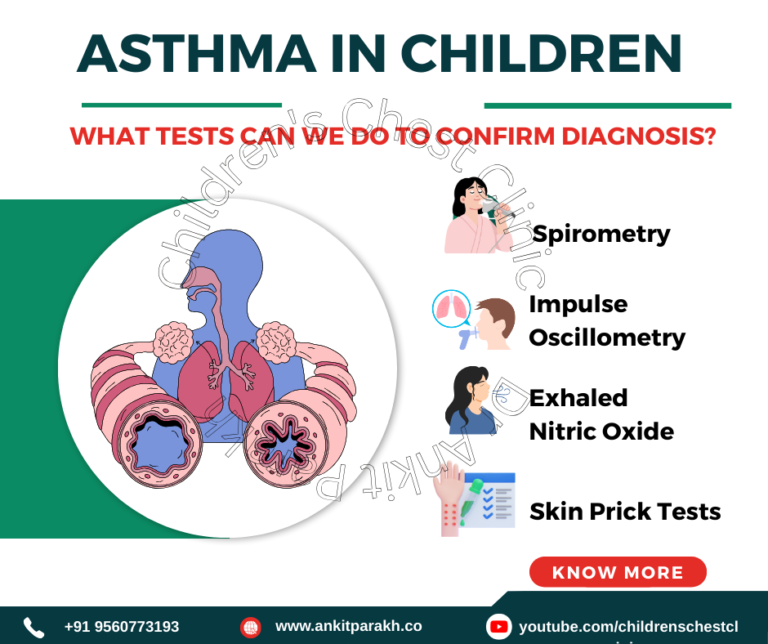
What Tests Can Be Done to Diagnose Asthma in Children?
Read article
 Oct 16, 2026
House Dust Mite Sublingual Immunotherapy for Allergic Asthma in Children: A Clear Guide for Parents
Read article
 Feb 20, 2026
Pediatric Asthma Clinics in Delhi: When Should You Visit a Specialist?
Read article