Overview
Abdominal Tuberculosis in Children: Causes, Symptoms, and TreatmentCommon signs to look for
Abdominal tuberculosis is a significant form of extrapulmonary tuberculosis (TB) that primarily affects the abdominal organs, including the gastrointestinal tract, peritoneum, abdominal lymph nodes, and other intra-abdominal structures. Though rare in developed countries, it remains a common concern in regions where TB is endemic like India. Early recognition and treatment are crucial to prevent complications and ensure recovery.
What is Abdominal Tuberculosis?
Abdominal tuberculosis refers to TB infection within the abdominal cavity. It can involve:
- Abdominal Lymph NodesThe most common form, particularly affecting mesenteric lymph nodes.
- Peritoneal TuberculosisInvolves the lining of the abdominal cavity, leading to ascites (fluid buildup).
- Gastrointestinal TBAffects the intestines, most commonly the ileum and cecum.
- Solid Organ TBRarely, it can involve the liver, spleen, or pancreas. Usually multiple sites can be involved at a time.
Causes and Risk FactorsPossible reasons and triggers
Abdominal tuberculosis is caused by Mycobacterium tuberculosis, which spreads through:
- Hematogenous (bloodstream) spread from a primary TB site, usually the lungs.
- Ingestion of infected sputum or contaminated milk in rare cases.
- Lymphatic spread, leading to abdominal lymph node involvement.
Symptoms of Abdominal Tuberculosis in ChildrenCommon signs to look for
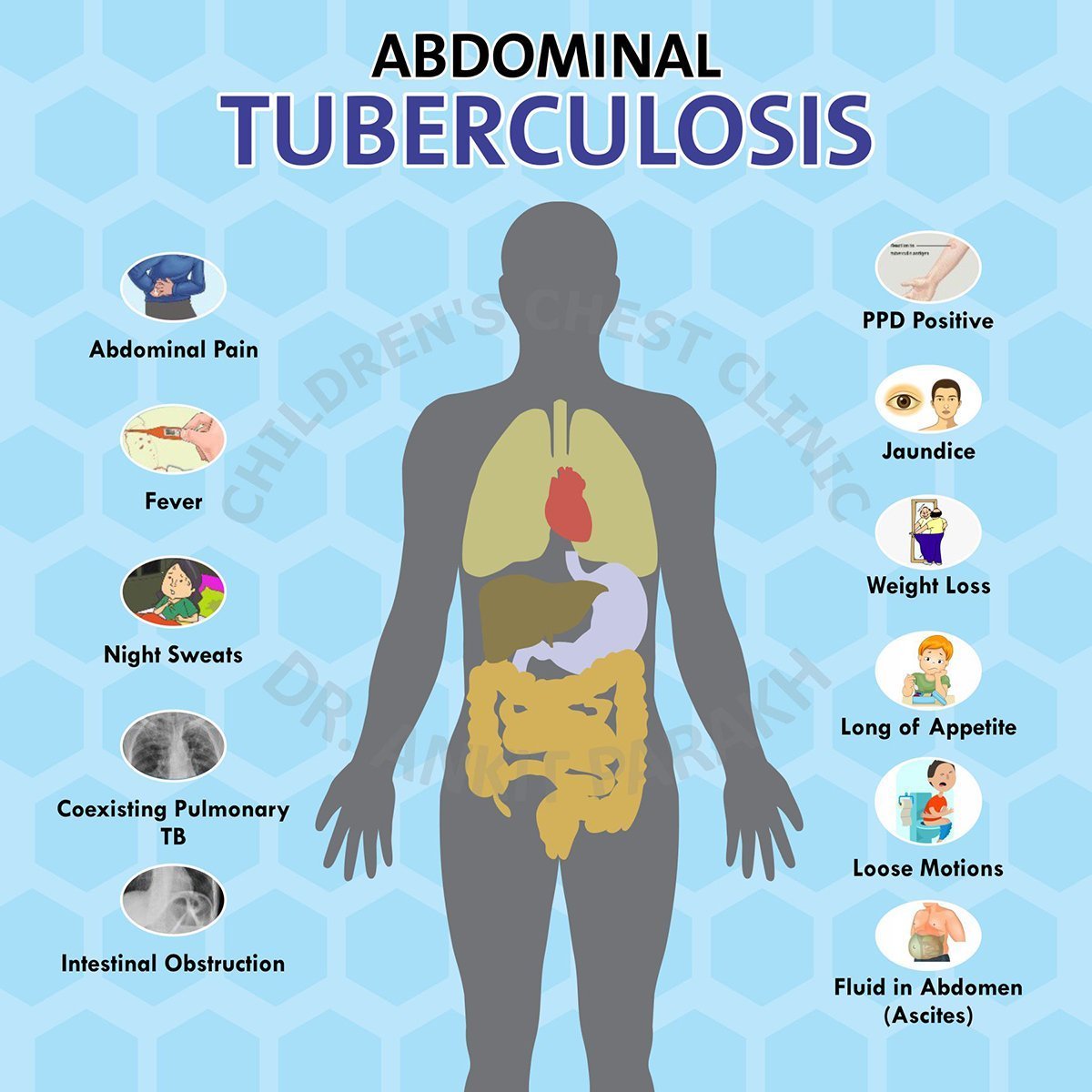
Symptoms can vary depending on the affected area but often include:
- Persistent abdominal pain or discomfort.
- Abdominal swelling or a palpable mass.
- Fever and night sweats.
- Weight loss and poor appetite.
- Altered bowel habits, such as diarrhea or constipation.
- In severe cases, intestinal obstruction or perforation.
Diagnosing Abdominal TuberculosisTests and evaluation methods
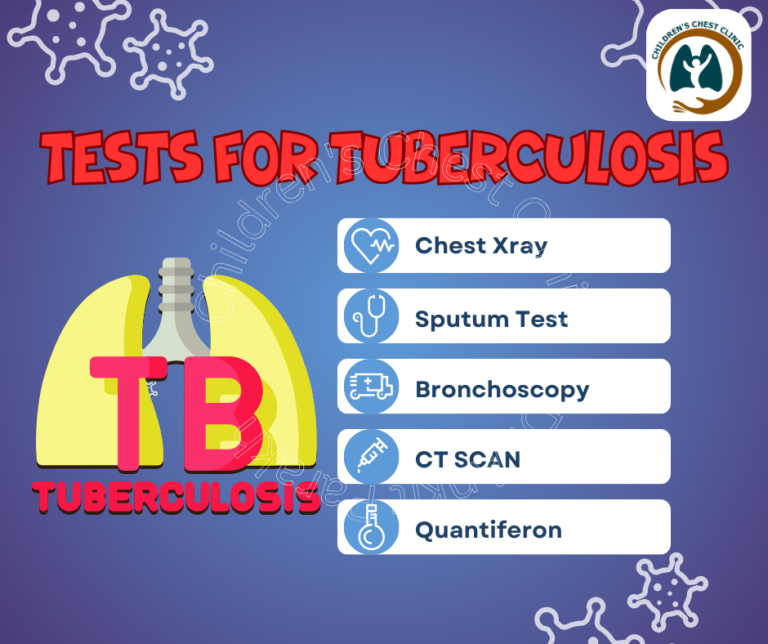
Accurate diagnosis involves a combination of clinical evaluation, imaging studies, and laboratory tests:
- ImagingUltrasound or CT scan can reveal enlarged abdominal lymph nodes, thickened intestinal walls, or ascitic fluid.
Laboratory Tests:
- Tuberculin skin test or IGRA to detect TB infection.
- Analysis of ascitic fluid for elevated protein levels, lymphocyte predominance, and ADA (adenosine deaminase) levels.
- BiopsyLymph node or intestinal biopsy may confirm the presence of TB granulomas.
- Molecular TestsGeneXpert or PCR for Mycobacterium tuberculosis.
Treatment of Abdominal TuberculosisMedications and therapies
- Anti-Tuberculosis Therapy (ATT)A 6–9 month regimen of TB medications forms the cornerstone of treatment.
- Nutritional SupportAdequate nutrition to aid recovery and boost immunity.
- SurgeryRequired in complicated cases, such as intestinal obstruction, perforation, or abscess formation.
Prognosis
With timely diagnosis and proper treatment, children with abdominal tuberculosis have a good prognosis. However, delayed treatment can lead to complications and long-term health issues.
1. What causes abdominal tuberculosis in children?Possible reasons and triggers
It is caused by Mycobacterium tuberculosis, which spreads from the lungs or other primary TB sites to the abdominal cavity.
2. How is abdominal tuberculosis diagnosed?Tests and evaluation methods
Diagnosis involves imaging studies (e.g., ultrasound, CT scan), fluid analysis, biopsy, and molecular tests like GeneXpert.
3. Can abdominal tuberculosis be cured?
Yes, with a complete course of anti-tuberculosis therapy, most children recover fully.
4. What are the signs of abdominal lymph node involvement in TB?Common signs to look for
Signs include abdominal pain, swelling, and sometimes a palpable mass in the abdomen.
5. What are the characteristics of lymph nodes in the abdomen which suggest tuberculosis?
Small lymph nodes up to less than 2 cm in size can be normally found inside the abdomen of children. Large lymph nodes more than 2 cm especially if multiple, conglomerate or mattered and necrotic are suggestive of tuberculosis.