Overview
Lymph Node Tuberculosis in Children: Understanding Symptoms, Diagnosis, and TreatmentCommon signs to look for
Tuberculosis (TB) is a significant public health concern, and in children, it often manifests as lymph node tuberculosis, also known as tuberculous lymphadenitis. This form of TB primarily affects the lymph nodes, causing swelling and other symptoms. Understanding its signs and seeking timely medical care are essential for effective management. This section deals with lymphonode tuberculosis with a focus on its symptoms, investigations and treatment.
What is Lymph Node Tuberculosis?
Lymph node tuberculosis is an infection caused by Mycobacterium tuberculosis, primarily affecting the lymph nodes. It is the most common form of extrapulmonary TB in children, typically involving cervical (neck) lymph nodes.
Symptoms of Lymph Node Tuberculosis in ChildrenCommon signs to look for
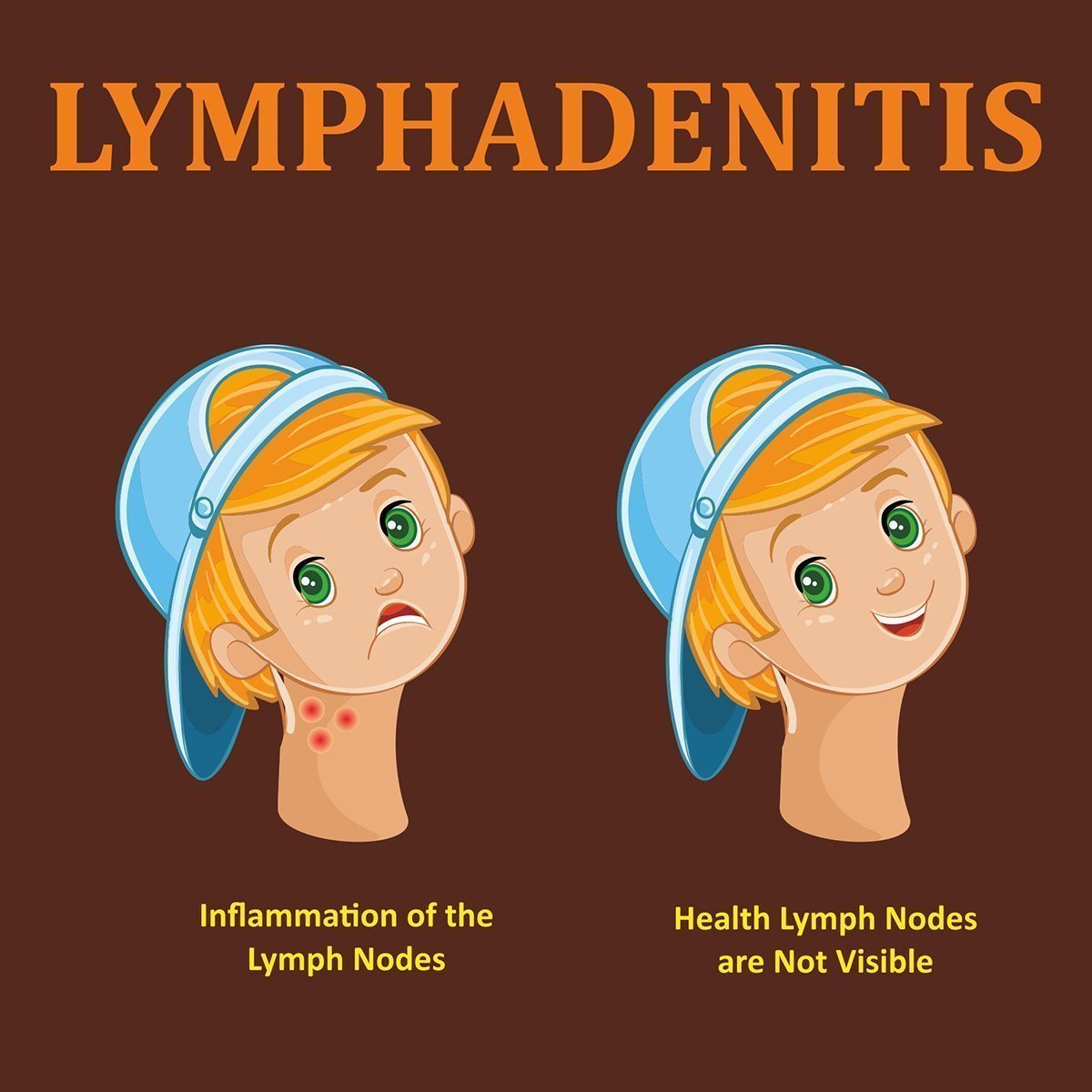
The most noticeable symptom is enlarged lymph nodes for a period of more than 2-3 weeks, often in the neck. Other symptoms include:
- Swelling that may be painless or tender.
- Nodes that feel firm and may be matted together.
- Skin changes over the affected area, including redness or discoloration.
- Fever, fatigue, and weight loss in some cases.
- Rarely, lymph nodes become very large and can become soft when pus forms inside.
- In rare cases they can burst and form a tract with the skin known as a sinus.
Causes and Risk FactorsPossible reasons and triggers
- Exposure to TBClose contact with someone who has active tuberculosis.
- Weakened Immune SystemChildren with compromised immunity are more vulnerable.
- MalnutritionPoor nutrition increases susceptibility to infections like TB.
Diagnosing Lymph Node TuberculosisTests and evaluation methods
A pediatric pulmonologist or tuberculosis specialist uses various methods to confirm the diagnosis:
- Physical ExaminationTo assess the size, consistency, and location of enlarged lymph nodes.
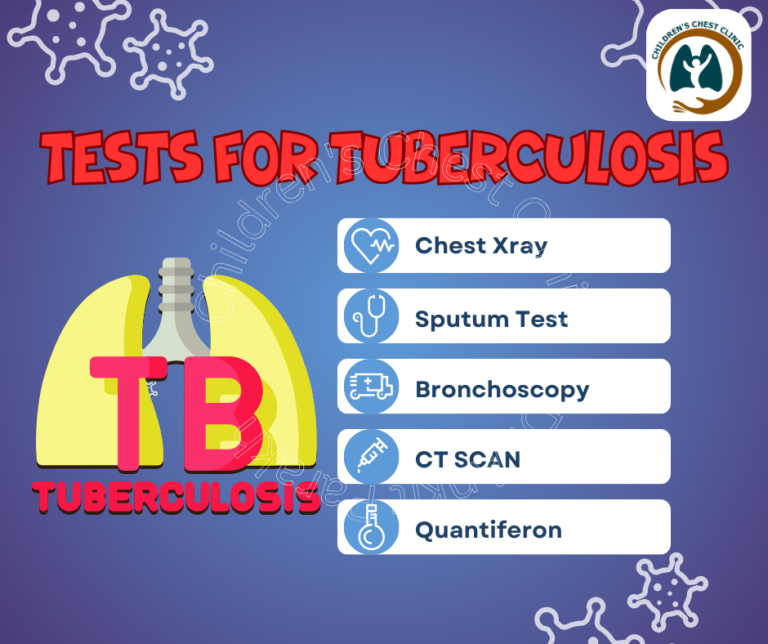
- ImagingChest X-rays or ultrasound to assess the extent of the infection.
- Fine-Needle Aspiration Cytology (FNAC)Extracting lymph node fluid for microscopic analysis or cytopathology. The FNAC sample can also be subjected to a GeneXpert Test (A rapid molecular test to detect Mycobacterium tuberculosis and drug resistance).
- Lymph Node BiopsyIn rare cases we might have to consider a biopsy of the lymph nodes for detailed analysis. It is required to rule out other rare causes of lymph node enlargement.
Treatment of Lymph Node TuberculosisMedications and therapies
- Anti-Tuberculosis Therapy (ATT)A combination of medications over 6 months,
- Surgical DrainageIn rare cases, when lymph nodes are severely infected or abscesses form.
- Nutritional SupportEnsuring adequate nutrition to boost immunity and aid recovery.
Prognosis
With timely diagnosis and proper treatment, lymph node tuberculosis in children is usually curable. Ensuring adherence to the prescribed medication regimen is key to a full recovery.
Lymph node tuberculosis in children is the most common extrapulmonary form of tuberculosis. Early detection, accurate diagnosis, and adherence to treatment is important for a complete recovery. Your child is suffering from enlarged lymph nodes or lymph node tuberculosis get in touch with the pediatric pulmonologist or tuberculosis expert for proper guidance and treatment.
Conclusion
1. What causes lymph node tuberculosis in children?Possible reasons and triggers
It is caused by Mycobacterium tuberculosis, which spreads from an infected individual or via latent TB reactivation.
2. Are enlarged lymph nodes always due to tuberculosis?
No, enlarged lymph nodes can also result from viral infections, bacterial infections, or other conditions. A thorough medical evaluation is necessary.
3. How is lymph node tuberculosis diagnosed in children?Tests and evaluation methods
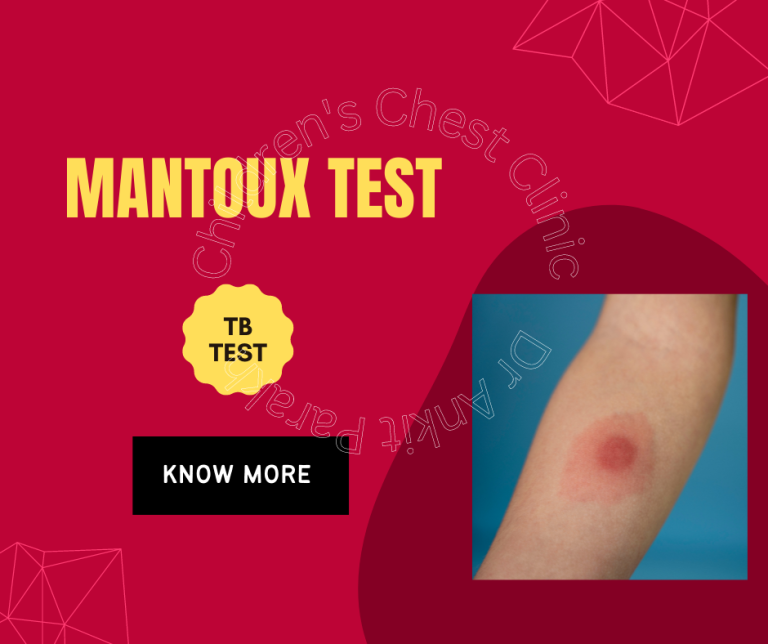
Diagnosis involves physical exams, imaging studies, skin tests, and microbiological analysis of lymph node samples.
4. Is lymph node tuberculosis contagious?
Lymph node TB itself is not contagious, but the underlying TB infection can spread if it involves the lungs.
5. How long does treatment for lymph node tuberculosis take?Medications and therapies
Treatment typically lasts 6 months, depending on the severity and response to medications.