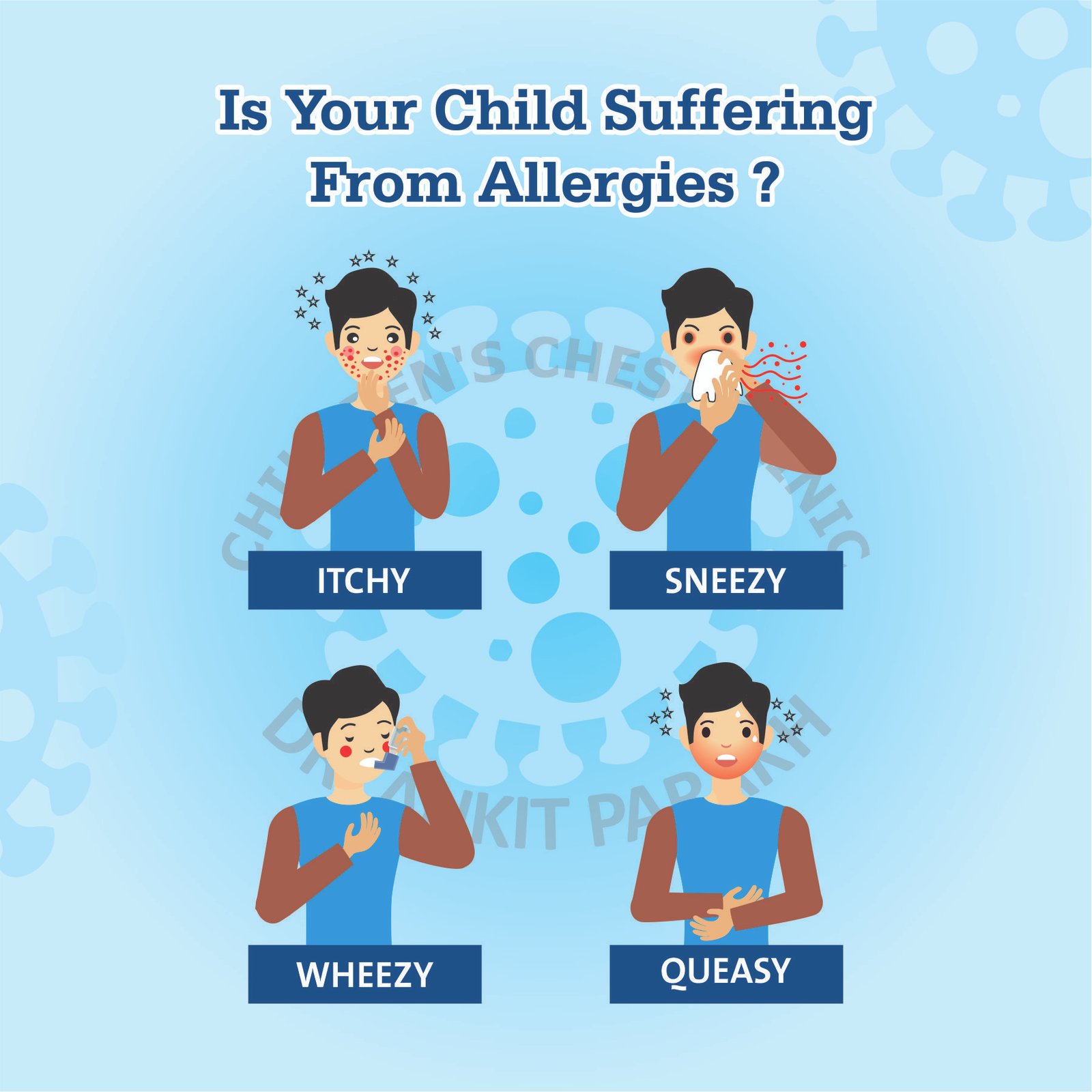
Is your child having any of these troubles like itchy eyes or nose, a sneezy or runny nose, a wheezy chest or a queasy tummy?
He or she might be having an allergy!!
Allergy can be a nuisance and affect the quality of life of your child by hampering studies, play and sleep. Allergy reactions can be mild and kept under control but sometimes can be serious and life threatening.
What is an allergy?
Allergy is an abnormal reaction of the child’s body to a substance which is usually harmless in most individuals. These substances which lead to allergy reactions are called as ‘allergen’.
An allergy develops when the immune system of our body recognizes the allergen as a threat. When this happens our body produces IgE antibodies. The allergy reaction at the first exposure is not serious. When the child is exposed again to the same allergen the immune system “remembers” the previous exposure and produces more of the IgE antibodies. These lead to release of various chemicals in our body leading an allergy reaction. It is not very not clear why allergy happens in a particular child but might be related to genetics as many children with allergy have a family history of allergies like asthma, allergic nose, eczema or food allergy.
What are the common allergies in children?
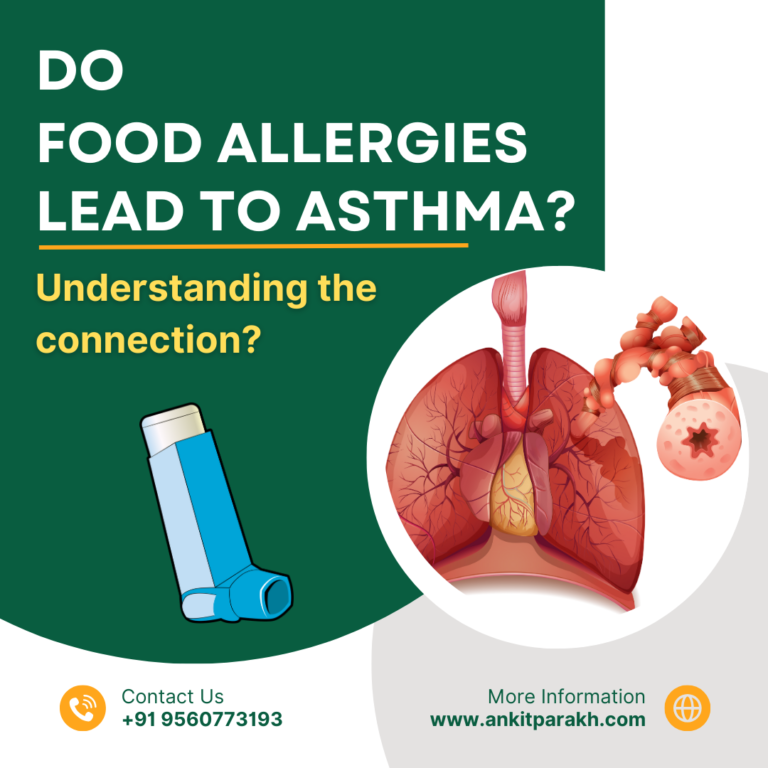
The common allergies seen in children are wheezing and asthma, atopic dermatitis or eczema, nasal allergy or allergic rhinitis and food allergies.
What are the common allergens?
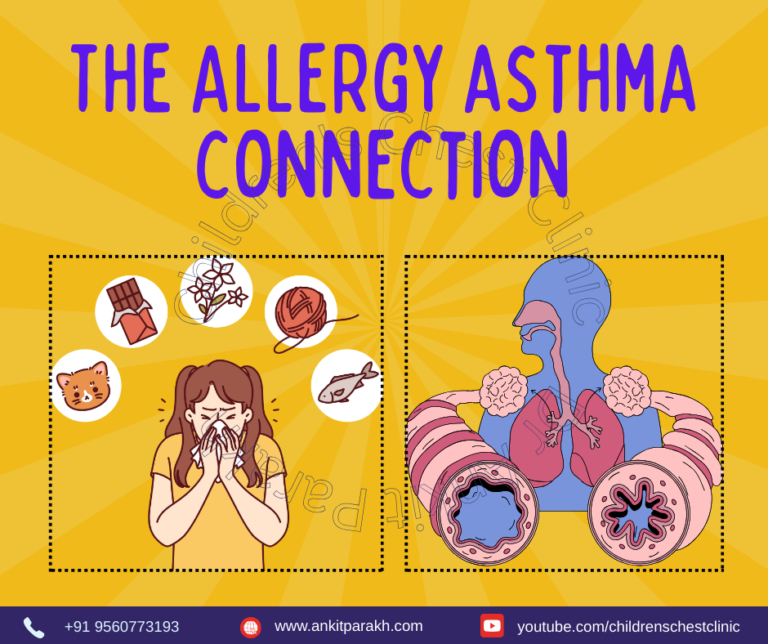
Some of the most common allergens include house dust mites, animal dander (cat, dogs, cows, horses), mould or fungus and pollens of weeds, trees & grasses. Some children can have food allergies to substances like milk, egg, soya, fish, shell fish, nuts, dals etc.
How do we manage allergy in children?
Management of allergy in children involves proper diagnosis, identification of the allergen causing the problem, allergen avoidance, medicines and allergen immunotherapy.
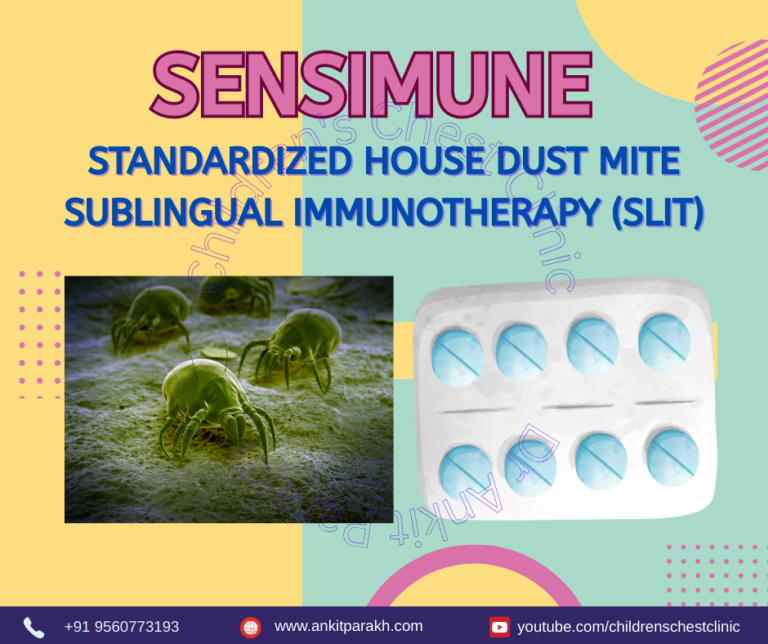
Proper diagnosis requires detailed case history and examination of the child. In addition might require basic testing like lung function tests. Identification of the allergen requires a Skin Prick Test. Once these two steps are done advice for allergen avoidance can be given. Medicines which are helpful in children with allergy depends on the type of the allergy and might include inhalers, nasal spray, anti-histamine, skin ointment etc. For some children with allergy a treatment called allergen immunotherapy might be required. Allergen immunotherapy involves giving the culprit allergen in a controlled way slowly for a number of years to develop tolerance to the allergen.
Related conditions & services
Medical Advice & Clinical Disclaimer
The educational medical guidance provided in this guide is for informational purposes only. It should not be used as a substitute for direct pediatric consultation, physical diagnosis, or clinical prescription. For individualized medical assessment of your child, schedule an appointment with Dr. Ankit Parakh.